

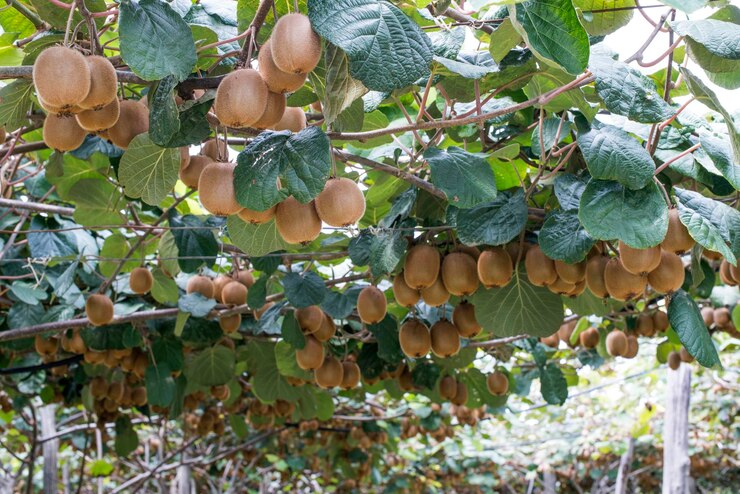
Kiwifruit production in South Africa has grown steadily, offering farmers not only fresh fruit sales but also opportunities to add value through juice, jam, and snack products. By processing kiwifruit into these products, farmers can extend shelf life, diversify income streams, and reach new markets both locally and internationally.
Kiwifruit juice is one of the simplest value-added products. Farmers can produce fresh juice by washing, peeling, and blending ripe kiwifruit, then straining the pulp to remove seeds. For a more stable product, pasteurisation is recommended to increase shelf life and prevent microbial growth. Juice can be sold in bottles or cartons at local markets, grocery stores, or directly to food service providers, providing a profitable alternative to selling whole fruit.
Kiwifruit jam is another viable option. The fruit is peeled, chopped, and combined with sugar and pectin before cooking to achieve the desired consistency. Jam production allows farmers to use slightly overripe fruit, reducing post-harvest losses. Proper packaging in sterilised jars and labelling ensures food safety and improves marketability. Kiwifruit jam can be sold at farmers’ markets, through online platforms, or to boutique food retailers.
Snack products made from kiwifruit, such as dried fruit or kiwifruit leather, are increasingly popular. Slicing kiwifruit and drying it using low-temperature dehydrators preserves nutrients and concentrates the natural sweetness, creating a healthy snack option. Kiwifruit leather is made by pureeing the fruit, spreading it thinly on trays, and drying it until it achieves a chewy texture. These snacks can appeal to health-conscious consumers and are suitable for export, school lunchboxes, or tourism-oriented markets.
To successfully turn kiwifruit into value-added products, farmers must pay attention to fruit quality, processing hygiene, and packaging. Selecting ripe, blemish-free fruit is essential to ensure consistent taste and texture. Maintaining clean facilities and following food safety standards reduces the risk of contamination and improves consumer confidence. Attractive packaging and proper labelling also enhance market appeal and brand recognition.
South African farmers who invest in value addition can benefit from higher profit margins and reduced waste. By diversifying into juice, jam, and snack products, kiwifruit growers can create new business opportunities, strengthen local supply chains, and tap into the growing demand for healthy, convenient foods.
With the right equipment, training, and marketing strategy, turning kiwifruit into processed products can transform a farm’s profitability and ensure long-term sustainability for South Africa’s kiwifruit industry.
Join 'Farmers Mag' WhatsApp Channel
Get the latest Farming news and tips delivered straight to your WhatsApp
CLICK HERE TO JOIN




