

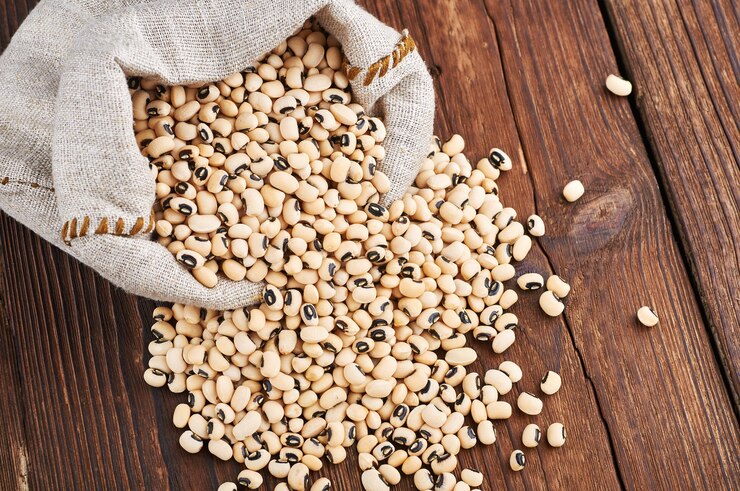
Cowpeas are a versatile legume widely grown in South Africa for their nutritional value, drought resilience, and adaptability to local soils. Beyond traditional use as fresh or dried beans, cowpeas offer opportunities for value addition through packaged products for retail. By processing cowpeas into consumer-ready items, farmers can increase income, reduce post-harvest losses, and access urban and export markets.
Selecting the Right Cowpea Varieties
The first step for value-added production is choosing suitable cowpea varieties. Farmers should prioritise types that are uniform in size, have smooth skins, and maintain colour after processing. Popular varieties like Lebeled, Mzansi, or IT89KD-288 perform well for retail packaging due to their consistent appearance and cooking quality. Harvesting at peak maturity ensures maximum nutrient content and optimal texture for packaged products.
Processing Options for Cowpeas
There are several avenues for turning cowpeas into retail products:
- Dried Cowpeas: Sorting, cleaning, and drying beans to standard moisture levels extends shelf life. Proper packaging in airtight bags or vacuum-sealed packs prevents spoilage and insect infestation. Branded retail packs with cooking instructions and nutritional information can command higher market prices.
- Pre-Cooked and Ready-to-Cook Cowpeas: Soaking and boiling cowpeas before packaging in vacuum-sealed or retort pouches reduces cooking time for consumers. These products appeal to busy households and convenience-focused buyers.
- Cowpea Flour: Milling dried cowpeas into flour creates opportunities for retail in health-conscious and gluten-free markets. Cowpea flour can be sold as a standalone product or blended into baking mixes, snacks, and porridge formulations. Packaging should highlight nutritional benefits, protein content, and uses.
- Value-Added Snacks and Mixes: Roasted or spiced cowpeas can be turned into snacks, while blends with other legumes, nuts, or dried vegetables can appeal to health-focused consumers. Seasonings and flavour variations help differentiate products in retail outlets.
Ensuring Food Safety and Quality
Retail-ready cowpea products must comply with South African food safety regulations. Farmers and processors should ensure:
- Clean and hygienic processing environments.
- Adequate drying and storage to prevent mould or aflatoxin contamination.
- Proper labelling including ingredients, batch codes, expiry dates, and country of origin.
- Optional certifications such as HACCP or ISO standards for formal retail and export.
Maintaining consistent quality is key to building consumer trust and repeat sales.
Packaging and Branding
Packaging should be visually appealing, protective, and informative. Transparent or resealable pouches allow customers to see the product, while printed information educates them on cooking, health benefits, and origin. Branding that highlights South African heritage or farm-to-table provenance can strengthen market appeal.
Marketing and Distribution
Retail distribution can include supermarkets, health stores, farmers’ markets, and online platforms. Building relationships with wholesalers or co-operatives can provide scale and reduce logistics challenges. Educating consumers on the versatility and nutritional value of cowpeas also helps increase demand.
Sustainable Practices and Profitability
Farmers can integrate value addition into their cropping systems sustainably. By processing surplus or imperfect cowpeas, post-harvest losses are minimised. Small-scale processing units or partnerships with local processing hubs allow farmers to scale operations without excessive capital investment.
Incorporating cowpeas into packaged products for retail provides farmers with a viable route to increase revenue and reach diverse markets. With careful variety selection, processing, packaging, and marketing, South African farmers can turn this resilient legume into a profitable agribusiness opportunity.
Join 'Farmers Mag' WhatsApp Channel
Get the latest Farming news and tips delivered straight to your WhatsApp
CLICK HERE TO JOIN




