

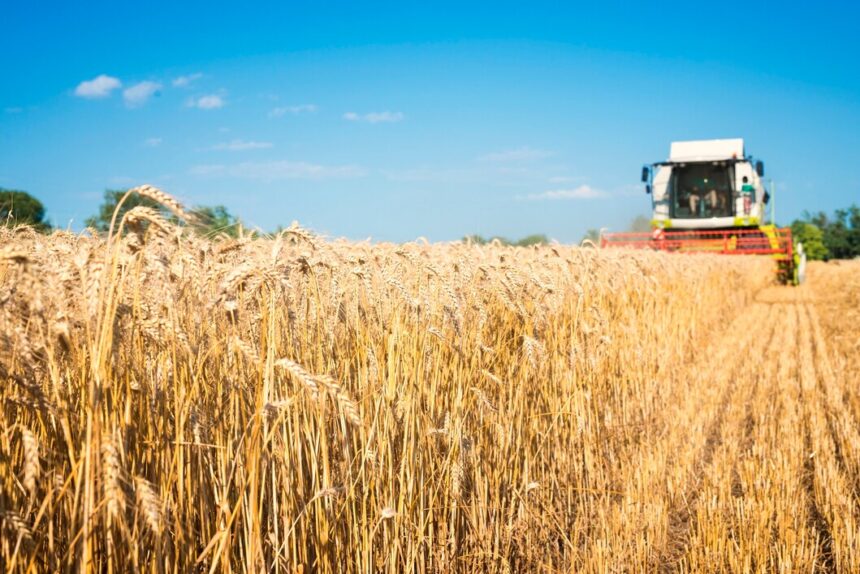
Wheat farming in South Africa offers more than just selling raw grain. By adding value through processing wheat into flour and bakery products, farmers can significantly increase their income, diversify their operations, and meet growing consumer demand for locally produced baked goods. The process requires careful planning, from high-quality wheat cultivation to milling, product development, and marketing. Understanding how to navigate each stage allows farmers to capture more of the value chain, create profitable business opportunities, and contribute to food security while establishing a sustainable agribusiness.
Step 1: Harvesting and Preparing Wheat
The process begins with high-quality wheat production. Farmers must ensure proper planting, irrigation, and pest management to yield grain suitable for milling. Once harvested, wheat should be cleaned, dried, and stored under optimal conditions to preserve quality.
Step 2: Milling Wheat into Flour
The next step is transforming wheat into flour. Farmers can invest in small-scale milling equipment or partner with local mills. Milling requires sorting, grinding, and sifting the grain to produce different types of flour, such as all-purpose, cake, or bread flour. Quality control is essential to maintain consistency and meet bakery standards.
Step 3: Producing Bakery Products
Flour can be used to produce a wide range of bakery products. Bread, rolls, cookies, and cakes are high-demand items in both local markets and urban centres. Farmers can start small, producing goods for local shops, farmers’ markets, or online platforms. Packaging, branding, and consistent quality are key to building customer loyalty and expanding sales.
Step 4: Marketing and Distribution
Effective marketing ensures profitability. Farmers should target both retail and wholesale buyers. Local supermarkets, bakeries, and hotels often seek reliable suppliers. Social media, community markets, and direct sales can also help reach consumers directly. Highlighting that products are farm-to-table, fresh, and locally produced can increase market appeal.
Step 5: Managing Costs and Scaling Operations
Value addition requires careful financial planning. Farmers should track costs for milling, packaging, labor, and distribution to maintain profitability. As demand grows, scaling operations through larger milling capacity or collaborations with other farmers can increase revenue and reduce per-unit costs.
By processing wheat into flour and bakery products, farmers capture more of the value chain, increasing profits beyond raw grain sales. This approach supports rural economies, creates jobs, and strengthens food security. With proper training, equipment, and market strategies, South African farmers can transform wheat into a sustainable and profitable agribusiness.
Wheat farming in South Africa offers more than just selling raw grain. By adding value through processing wheat into flour and bakery products, farmers can significantly increase their income, diversify their operations, and meet growing consumer demand for locally produced baked goods. The process requires careful planning, from high-quality wheat cultivation to milling, product development, and marketing. Understanding how to navigate each stage allows farmers to capture more of the value chain, create profitable business opportunities, and contribute to food security while establishing a sustainable agribusiness.
Join 'Farmers Mag' WhatsApp Channel
Get the latest Farming news and tips delivered straight to your WhatsApp
CLICK HERE TO JOIN




