

A dry borehole can disrupt your home or farm operations overnight. Water scarcity is becoming more common as rainfall patterns shift and groundwater tables drop. When your borehole stops producing water, quick and informed action can prevent further damage and restore supply faster.
The first step is to confirm the problem. Check your pump and electrical system before assuming the borehole has dried up. Faulty wiring, a clogged pipe, or a worn-out pump can mimic signs of a dry borehole. If you hear the pump running but no water flows, switch it off immediately to prevent overheating.
Once you confirm the borehole is dry, measure the water level. Lower a weighted string or electric water level meter into the borehole to find the current depth of the water column. Compare this to your original drilling record. A significant drop indicates a reduced aquifer recharge or overuse.
Contact a borehole technician or hydrogeologist for professional advice. They can inspect the borehole, analyze the water table trends, and determine whether deepening the borehole is viable. In some cases, the aquifer may recover after heavy rains, but in others, you may need to drill a new borehole into a more reliable water source.
While waiting for technical assessment, reduce your water consumption immediately. Prioritize essential uses such as drinking, cooking, and sanitation. Stop irrigating lawns or washing vehicles. Use stored water efficiently and repair any leaks in your plumbing system.
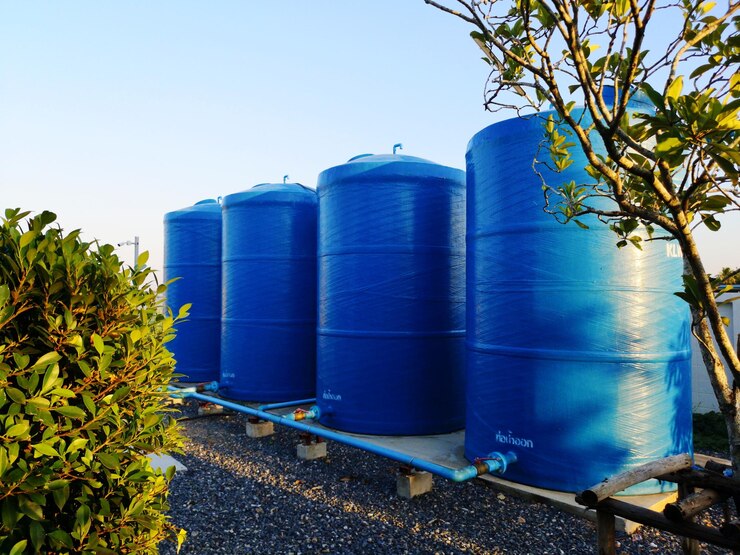
If the borehole remains dry for an extended period, explore temporary supply options. Arrange for water delivery from municipal or private suppliers. Use storage tanks or portable containers to manage distribution. For farms, consider mobile water bowsers or temporary connections to nearby wells with proper agreements.
Rainwater harvesting can supplement your supply in the short term. Install gutters and collection tanks to capture runoff during rainy periods. Filter and treat the water for safe use. Even modest systems can collect thousands of liters during a single storm.
Long-term solutions should focus on resilience. Conduct a hydrogeological survey before drilling again to identify stable aquifers. Consider drilling a deeper borehole or adding a storage system to buffer against seasonal shortages. Install a borehole monitoring system that tracks water levels and pump performance. This allows you to act early before a complete failure.
Diversify your water sources where possible. Combine borehole water with harvested rainwater and municipal supply if available. For farms, use drip irrigation systems that minimize wastage and match crop needs precisely.
Community collaboration can also help. In many rural and peri-urban areas, shared boreholes or cooperative water projects reduce pressure on individual wells. Joint monitoring and maintenance ensure sustainable use of groundwater.
When your borehole runs dry, quick assessment and smart planning can limit the impact. By combining conservation, backup supply, and professional guidance, you protect your household or business from future disruptions. Water security depends on foresight, not just access.
Join 'Farmers Mag' WhatsApp Channel
Get the latest Farming news and tips delivered straight to your WhatsApp
CLICK HERE TO JOIN




