

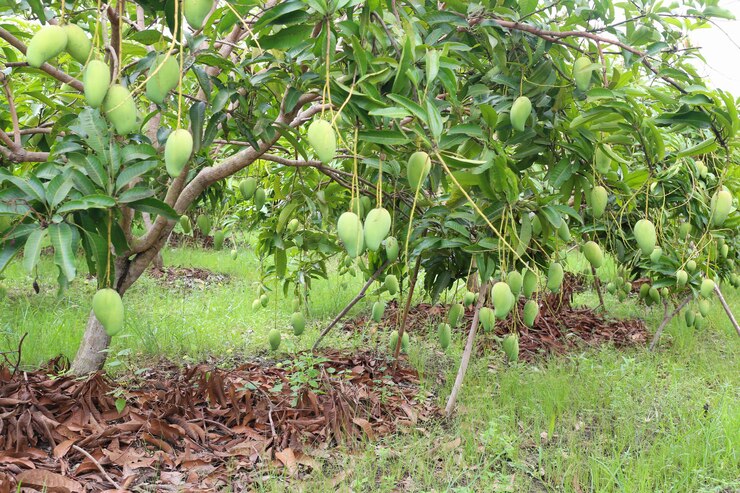
The South African Mango Growers’ Association (SAMGA) and the Agricultural Produce Agents Council (APAC) have joined forces to stop the unethical sale of immature “achar” mangoes falsely marketed as ripe fruit. The two organisations have signed a three-year memorandum of understanding (MoU) aimed at strengthening oversight and protecting both consumers and the mango industry from dishonest market practices.
The MoU targets the sale of mangoes that have been artificially ripened with ethylene gas. According to Francois Knowles, registrar of APAC, the agreement follows repeated incidents in recent seasons where unripe mangoes were bought under the pretext of being processed into achar but were later treated with ethylene, packed, and sold at markets as ripe mangoes.
“These mangoes are usually sold early in the season when prices are high. While ethylene improves colour, the fruit remains sour and bitter, leading to a poor eating experience,” Knowles told Farmer’s Weekly.
He explained that the practice damages consumer trust and depresses market demand. Research conducted by a major retailer found that customers who had a poor mango experience were unlikely to buy the fruit again for up to 12 weeks. The long-term impact reduces overall sales, affecting both producers and traders.
One notable case in November 2024 involved a consignment of Tommy Atkins mangoes that was blocked by Prokon inspectors for failing to meet maturity standards. The fruit was resubmitted a week later and passed based on colour, although its internal quality remained poor. Reports also indicated that some of the rejected fruit had already been sold before reinspection, exposing gaps in enforcement.
Under the new agreement, SAMGA and APAC will closely monitor early-season mango deliveries at national fresh produce markets. Prokon will be alerted to conduct maturity inspections where necessary, while blocked consignments will be tracked to prevent unauthorized sales. Market agents found selling immature fruit will face disciplinary action.
In addition, each October the two organisations will send reminders to agents and market authorities about the risks and consequences of selling ethylene-ripened mangoes. They will also conduct a training webinar covering mango maturity, the effects of artificial ripening, and the link between fruit quality and consumer demand.
SAMGA and APAC’s collaboration represents a proactive step toward restoring integrity in the mango trade. By enforcing quality standards and raising awareness across the supply chain, the initiative aims to protect consumers, improve market confidence, and ensure that South African mangoes maintain their reputation for premium quality.
Join 'Farmers Mag' WhatsApp Channel
Get the latest Farming news and tips delivered straight to your WhatsApp
CLICK HERE TO JOIN




