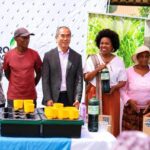
The KwaZulu-Natal MEC for Agriculture and Rural Development, Ms Thembeni kaMadlopha-Mthethwa, has raised concern about the sharp decline in the consumption of indigenous foods. Speaking to hundreds of people at JB Madlala Sportfield under Ray Nkonyeni Local Municipality on the south coast, she pointed to a lack of interest in learning about indigenous foods and the failure to transfer knowledge on harvesting, preparation, and preservation as key reasons for the decline. Her remarks came as the country concluded Heritage Month, which placed emphasis on food heritage as a crucial part of cultural preservation.
Before her address, MEC KaMadlopha-Mthethwa inspected agricultural exhibits showcasing indigenous foods. Guests were treated to traditional meals such as goat meat curry and sausages, amadumbe, fruits, and a variety of green leafy vegetables. The aroma of the indigenous cuisine filled the exhibition space, reinforcing the richness of South Africa’s traditional food culture. The Department reaffirmed its commitment to empowering farmers with indigenous knowledge in food production, creating platforms where traditional practices can be preserved and promoted.
MEC KaMadlopha-Mthethwa urged communities to embrace indigenous crops, stressing their resilience in the face of environmental challenges. She noted that these crops adapt and perform well in non-fertile soils, respond effectively to organic fertiliser, and require little to no chemicals. Importantly, their seeds can be preserved and replanted, which is critical for alleviating poverty and addressing food insecurity. She also highlighted the superior nutritional value of indigenous crops compared to commercial alternatives. Amadumbe, for example, contain 9 percent protein compared to just 1.9 percent in potatoes. Goat meat, she added, is the healthiest among livestock options and presents opportunities for small-scale farmers to build sustainable businesses.
Despite KwaZulu-Natal’s abundance of indigenous vegetables and fruits, food and nutrition insecurity remains a serious concern. KaMadlopha-Mthethwa noted that indigenous foods such as Jugo beans (izindlubu), cowpeas, imbuya (green leafy vegetables), and pumpkin leaves are being consumed less frequently. She attributed this decline to the westernisation of diets and perceptions that traditional foods are associated with poverty. She stressed that this is a misconception, pointing out that these foods are highly nutritious and should form part of the daily diet.
The Department is encouraging a return to organic, traditional farming methods that rely on indigenous crops. By embracing these foods, farmers can contribute to stronger food security while tapping into new market opportunities. KaMadlopha-Mthethwa reaffirmed the Department’s support for goat farming and indigenous crop production, underlining their role in both business development and nutritional health.
For farmers, the message is clear: reviving indigenous foods is more than cultural preservation. It is a practical, sustainable approach to building resilience, ensuring food security, and unlocking new opportunities in agriculture.
Join 'Farmers Mag' WhatsApp Channel
Get the latest Farming news and tips delivered straight to your WhatsApp
CLICK HERE TO JOIN