

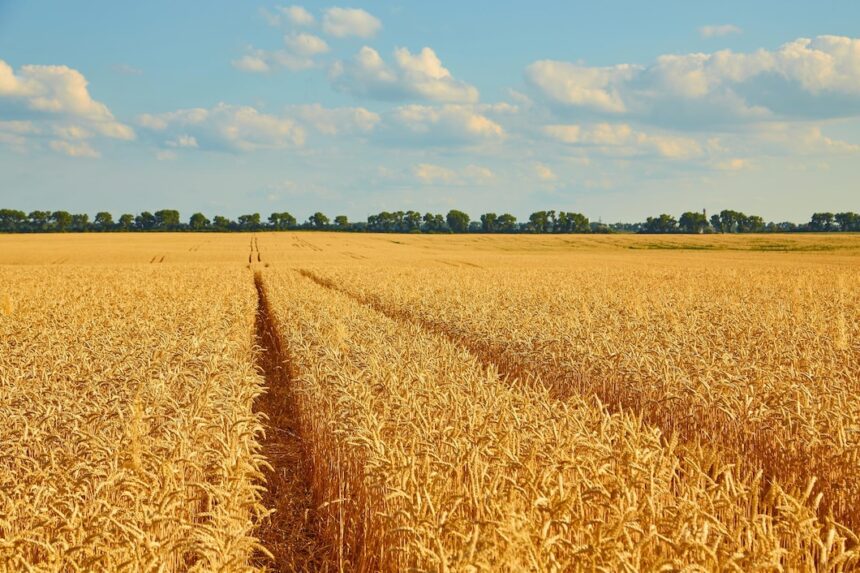
Farming in the Western Cape during summer droughts requires careful planning and resource management. Water scarcity, high temperatures, and soil degradation can significantly affect crop yields and livestock health. Implementing practical strategies can help farmers maintain productivity while conserving resources.
Water management is critical. Prioritize irrigation efficiency by using drip systems, mulching soil, and scheduling watering for early morning or late afternoon to reduce evaporation. Collect and store rainwater where possible, and maintain dams, reservoirs, and boreholes to ensure a reliable supply during dry spells.
Soil conservation is another key factor. Use cover crops, compost, and organic matter to improve soil moisture retention and prevent erosion. Avoid over-tilling, which exposes soil to heat and wind, and implement crop rotation to maintain fertility.
Crop selection and planning can reduce risk during droughts. Opt for drought-tolerant varieties and adjust planting dates to avoid peak heat periods. Consider intercropping and staggered planting to spread risk and ensure some yield even under water stress.
Livestock management requires attention to water and feed. Provide clean, shaded water sources and adjust feeding schedules to match heat stress conditions. Supplement pastures with hay or silage and rotate grazing areas to prevent overgrazing, which can degrade the land further during dry periods.
Monitoring and early intervention are essential. Regularly check soil moisture, crop health, and livestock conditions. Use technology such as soil sensors, weather apps, and irrigation controllers to make informed decisions. Implementing early measures reduces losses and maintains farm productivity.
Government support and advisory services can assist farmers during droughts. Programs from the Department of Agriculture and local municipalities may offer financial aid, training, and access to drought relief schemes. Collaborating with these resources can strengthen resilience and provide practical solutions.
Effective drought management in the Western Cape combines efficient water use, soil care, strategic crop and livestock planning, and proactive monitoring. By adopting these measures, farmers can sustain production, protect resources, and reduce the negative impact of summer droughts on their operations.
Join 'Farmers Mag' WhatsApp Channel
Get the latest Farming news and tips delivered straight to your WhatsApp
CLICK HERE TO JOIN




