

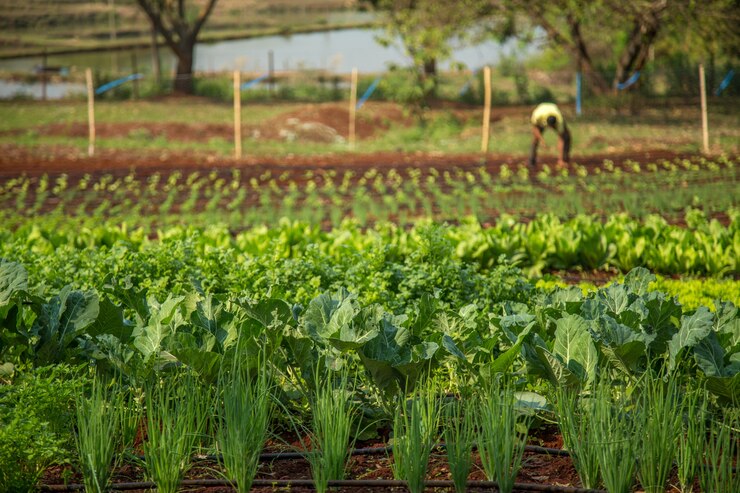
Gardening in South Africa requires planning according to the country’s diverse climate zones. A month-by-month approach helps gardeners maximise yield, manage pests, and maintain healthy plants throughout the year.
January: Focus on watering and mulching. Summer heat can stress plants, so keep soil moist and apply mulch to retain water. Sow fast-growing vegetables like lettuce, spinach, and radishes. Prune shrubs and remove damaged branches.
February: Continue planting summer vegetables and herbs. Harvest early summer crops such as tomatoes, peppers, and beans. Monitor for pests, especially aphids and caterpillars, and apply organic treatments when needed.
March: Start preparing for autumn planting. Sow brassicas like cabbage, broccoli, and cauliflower. Collect seeds from summer plants for next season. Clear garden beds of spent crops and enrich soil with compost.
April: Plant root vegetables like carrots, beetroot, and onions. Reduce watering as temperatures drop. Protect tender plants from early frost in cooler regions. Mulch again to improve soil fertility.
May: Focus on winter vegetables. Sow leafy greens such as spinach, kale, and Swiss chard. Plant garlic and shallots. Maintain soil health with organic matter and monitor for fungal diseases.
June: Maintain garden beds and protect plants from frost. Prune fruit trees and ornamental shrubs. Start seedlings indoors for spring planting. Ensure watering is adequate but avoid waterlogging.
July: Continue winter planting in frost-free areas. Plan spring garden layouts. Check tools and repair or replace worn equipment. Apply dormant sprays to fruit trees to prevent pests in the coming season.
August: Prepare soil for spring crops. Sow early spring vegetables like tomatoes, peppers, and cucumbers in seed trays. Begin planting deciduous trees and shrubs. Gradually increase watering as temperatures rise.
September: Start planting spring vegetables outdoors. Direct-sow beans, carrots, and lettuce. Mulch around young plants to retain moisture and control weeds. Monitor for pests as insect activity increases.
October: Plant summer crops such as maize, pumpkins, and squash. Maintain irrigation systems to ensure consistent watering. Support climbing plants with trellises and stakes. Apply organic fertilisers to boost growth.
November: Continue planting and transplanting summer vegetables. Monitor for fungal diseases in humid regions. Harvest early crops and save seeds for future use. Keep garden tidy to reduce pest habitats.
December: Focus on maintenance and harvesting. Collect ripe vegetables and fruits daily. Apply compost to beds after harvesting. Plan crop rotation and garden improvements for the next year.
A month-by-month gardening calendar helps South African gardeners optimise production, conserve resources, and maintain plant health throughout the year. Following seasonal guidance ensures a continuous supply of fresh produce while supporting sustainable gardening practices.
Join 'Farmers Mag' WhatsApp Channel
Get the latest Farming news and tips delivered straight to your WhatsApp
CLICK HERE TO JOIN




