

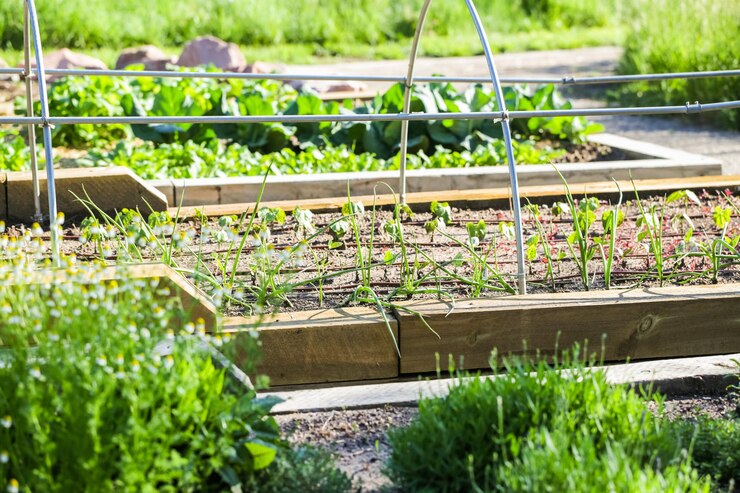
Wicking beds are a modern gardening solution designed to save water while maintaining healthy, productive plants. They are self-watering raised beds that use a reservoir of water beneath the soil, allowing plants to draw moisture as needed. This system reduces water waste, improves soil moisture consistency, and promotes robust plant growth.
The basic structure of a wicking bed includes a water reservoir at the base, a barrier to separate the soil from the water, a wicking layer such as sand or coarse material, and the planting soil on top. Water enters the reservoir through an inlet or overflow pipe, and the soil above wicks the moisture upward through capillary action. This ensures the plant roots have continuous access to water without the risk of overwatering.
Wicking beds are highly efficient in water use. Studies indicate that they can reduce water consumption by up to 50 percent compared to traditional garden beds. This is especially important in regions prone to drought or with limited water availability. Because the soil remains consistently moist, plants experience less stress and tend to produce higher yields in vegetable gardens and small-scale fruit cultivation.
To construct a wicking bed, start by choosing a suitable container or raised bed. Line the base with a waterproof barrier to hold the water. Add a layer of coarse material such as gravel or hydroton balls to create the reservoir. On top of this, place a wicking mat or sand layer to allow water to rise into the soil. Finally, fill the bed with a mix of nutrient-rich soil and compost. Install an overflow pipe to prevent the reservoir from flooding and to maintain a safe water level.
Maintenance of a wicking bed is simple. Check the water level regularly and refill as needed. Mulching the surface helps reduce evaporation and keeps the soil temperature stable. Over time, you may need to replenish nutrients in the soil to ensure plants remain healthy and productive. Crop rotation and careful monitoring of plant growth can further enhance the system’s effectiveness.
Wicking beds are suitable for a variety of plants, including vegetables, herbs, and even small fruiting plants. Leafy greens, tomatoes, cucumbers, and peppers thrive in this environment because their roots have consistent access to moisture. This makes wicking beds ideal for home gardeners and small-scale farmers looking to maximize production while conserving water.
Investing in a wicking bed can lead to long-term savings on water bills and reduce the environmental impact of your garden. The system promotes sustainable gardening practices, reduces labor for watering, and ensures plants receive optimal hydration. With proper design, construction, and maintenance, wicking beds provide a reliable, efficient, and low-maintenance way to grow a thriving garden.
Join 'Farmers Mag' WhatsApp Channel
Get the latest Farming news and tips delivered straight to your WhatsApp
CLICK HERE TO JOIN




