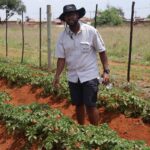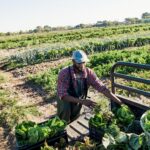

Agriculture is the backbone of South Africa’s rural economy, and women form the foundation of this sector. Yet, their contributions often go unrecognised, and their potential remains unmet due to systemic barriers. Women hold the power to drive food security, reduce poverty, and transform agricultural communities, making their participation in agriculture essential for sustainable development.
Women make up a significant share of the agricultural workforce in South Africa. According to the 2024 Commission for Gender Equality (CGE) report, women comprise 59% of workers in the deciduous fruit industry and 57% in the table grape sector. Despite their vital contributions, they face challenges such as limited access to land, finance, and modern farming technologies.
The CGE report highlights that entrenched customary practices and societal norms often prevent women from owning land or accessing critical resources. This marginalisation forces women into lower-paying, seasonal jobs and limits their ability to thrive as entrepreneurs or farm owners. Yet, the same report indicates that research shows that agricultural productivity in developing countries could increase by 20% to 30% if women are given the same access to resources as men.
Oak Farm: A Model for Success
On its social media page, the land Bank recently posted about Oak Farm, a shining example of what women in agriculture can achieve when given the right support. This is just one of many successful women-owned agribusinesses.
Oak Farm, a women-owned poultry operation, began as a modest vision with just a small flock of chicks. Today, it has grown into a thriving enterprise, managing tens of thousands of broilers while also diversifying into new agricultural ventures. Their success story highlights the transformative impact of supporting women farmers—not only in achieving personal success but also in uplifting their communities, contributing to food security, and driving rural development.
The story of Oak Farm is a testament to the power of empowering women in agriculture and a reminder of the significant role they play in shaping a sustainable future.
Leveraging Land Bank’s Products
Women farmers can take advantage of the Land Bank’s tailored financial products to enhance their competitiveness and grow their businesses:
- Seasonal Production Loans: For short-term needs such as seeds, feed, and fertiliser.
- Asset and Equipment Finance: Enabling the purchase of modern machinery and tools to boost efficiency.
- Blended Finance Models: These de-risk lending by combining loans with grants, allowing smallholder and emerging farmers to access affordable capital.
- Agro Energy Fund (AEF): Supporting renewable energy initiatives such as solar-powered irrigation to mitigate energy constraints.
- Green Farming Facilities: Promoting environmentally sustainable practices like water-efficient irrigation and soil conservation.
These products not only provide financial relief but also empower women to adopt climate-smart practices and capitalise on technological advancements in agriculture. Further to these, there are also tools to support farmers, such as:
- GIS Technology: Assists farmers in making data-driven decisions about land use, crop suitability, and environmental risks.
- Partnerships: Land Bank collaborates with government bodies, agricultural associations, and NGOs to provide training, market access, and technical support.
The participation of women in agriculture is not just a moral imperative but an economic necessity. Empowered women farmers have the potential to transform the sector by driving productivity, fostering innovation, and building resilience against challenges. The CGE report reminds us that women are often excluded from policy implementation and decision-making processes, limiting their ability to thrive as farm owners or leaders. Initiatives like those offered by Land Bank are crucial to breaking these barriers and ensuring women are not just participants but leaders in agriculture. As we celebrate Women’s Month, it is vital to continue empowering women in agriculture. The success of Oak Farm shows what is possible when women are given access to resources, training, and opportunities.
Karabo Mabuza is an Agricultural Economist in the Agriculture Economics and Advisory division of the Land Bank
Join 'Farmers Mag' WhatsApp Channel
Get the latest Farming news and tips delivered straight to your WhatsApp
CLICK HERE TO JOIN