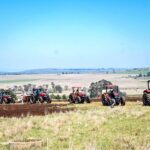
With climate patterns becoming more unpredictable, South African farmers are increasingly turning to digital tools to stay ahead. Among these tools, weather apps have become essential for planning, planting, and harvesting crops more efficiently. Whether managing a small-scale farm or a commercial operation, integrating accurate weather data into farming practices can be the difference between a good season and a failed one.
In a country like South Africa, where agriculture is heavily influenced by rainfall patterns and temperature extremes, timing is everything. Planting just a few days too early during a dry spell—or harvesting too late before a thunderstorm—can damage yields significantly. This is where weather apps come in.
Apps like YR, AccuWeather, Windy, WeatherSA, and Farmers’ App SA offer hourly and daily forecasts, rainfall predictions, soil moisture data, wind speeds, and temperature trends that can help farmers make informed decisions. Many even offer push notifications for weather alerts, allowing real-time responses to changing conditions.
Knowing when to plant is critical, especially for rainfed crops like maize, sorghum, and sunflowers. By monitoring short- and long-term forecasts, farmers can pinpoint the ideal window for soil moisture and temperature, increasing germination success and reducing the risk of replanting due to erratic rains. For example, a farmer in Limpopo may delay planting by a week if the app predicts a heatwave or dry spell. Conversely, if significant rainfall is forecast in the Eastern Cape, a farmer might rush to sow seeds before the ground becomes waterlogged and inaccessible.
Harvesting crops at the wrong time—especially in wet conditions—can lead to grain spoilage, reduced sugar content in fruits, or machinery getting stuck in muddy fields. With accurate weather apps, farmers can track when rain is expected and prepare accordingly. Some apps allow farmers to schedule alerts a few days before expected storms, giving them time to speed up harvesting or prepare for storage. In high-value crops like citrus or grapes, this precision can protect quality and boost market returns.
Beyond planting and harvesting, weather apps help farmers optimise their use of labour, machinery, and water. If rainfall is expected, irrigation can be paused, saving water and energy. If high winds are forecast, spraying pesticides or fertilisers can be delayed to reduce waste and drift. With the rising cost of inputs, this level of planning can make operations more sustainable and cost-effective.
One of the key advantages of weather apps is their accessibility. Even farmers in remote areas with basic smartphones can download free or low-cost apps that provide accurate, hyperlocal forecasts. Many of these apps now include multilingual support and offline functionality, making them useful even in areas with limited connectivity.
As South Africa continues to experience climate volatility, the role of digital tools in agriculture will only grow. Weather apps offer a simple yet powerful way for farmers to reduce risk, maximise yields, and respond to nature with greater confidence. While no forecast is perfect, using multiple apps and combining them with local knowledge can give farmers the edge they need in today’s fast-changing environment. Whether you’re growing crops in the Karoo or harvesting fruits in Mpumalanga, the right weather app might just become your farm’s most valuable tool.
Join 'Farmers Mag' WhatsApp Channel
Get the latest Farming news and tips delivered straight to your WhatsApp
CLICK HERE TO JOIN