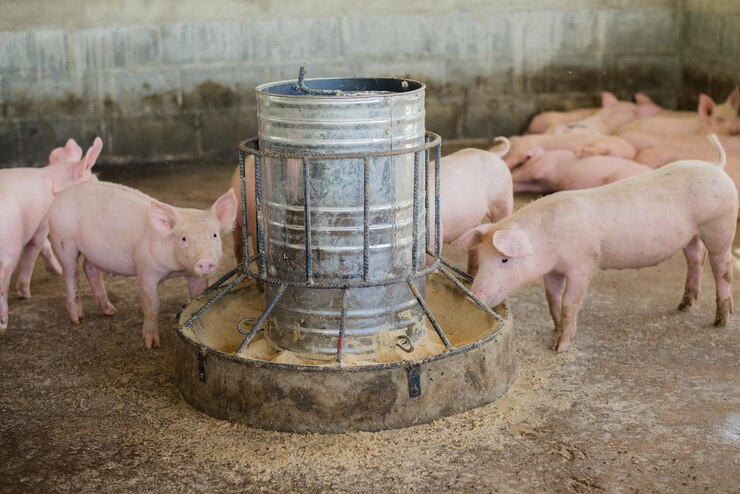
Small-scale pig farming can be a profitable venture if managed efficiently. With rising demand for pork in many markets, farmers have an opportunity to generate steady income. However, success depends on cost control, proper planning, and market-oriented production.
Choose the Right Breed
Select breeds that grow quickly, adapt well to your local environment, and produce quality meat. Large White, Landrace, and Duroc are popular for commercial pork. Crossbreeds can offer better growth rates and disease resistance. Source piglets from reputable breeders to avoid health problems.
Optimize Housing and Space
Well-designed housing reduces disease risk and improves growth. Provide enough space per pig to avoid stress and injuries. Ensure proper ventilation, drainage, and shade. Keep pens clean to prevent infections that can slow growth and increase costs.
Feed for Growth and Cost Control
Feed accounts for 60 to 70 percent of pig production costs. Use a balanced diet with the right protein, energy, and vitamins. Incorporate locally available feed ingredients like maize, cassava, or soybeans to cut costs. Avoid overfeeding to reduce waste. Provide constant access to clean water to improve feed conversion.
Implement a Health Management Plan
Vaccinate pigs against common diseases such as swine fever and foot-and-mouth disease. Conduct regular deworming. Work with a veterinarian to set a disease prevention schedule. Early detection and treatment of illness reduce losses and prevent outbreaks.
Manage Breeding Efficiently
Keep accurate breeding records to plan farrowing and maintain steady production. Select sows with high litter sizes and good mothering ability. Aim for at least two litters per sow per year to maximize output. Use artificial insemination if available to access superior genetics.
Reduce Mortality Rates
Piglet mortality can cut profits. Provide warm, dry farrowing pens. Ensure piglets suckle within the first hours after birth to get colostrum. Use creep feeding to prepare piglets for weaning. Handle piglets gently to avoid injuries.
Market Strategically
Identify your target buyers before production. Sell directly to consumers, butcheries, or hotels to get better prices. Consider processing pork into sausages or bacon for added value. Timing your sales to periods of high demand, such as festive seasons, can increase profits.
Keep Detailed Records
Track expenses, feed usage, growth rates, and sales. Analyze your records to identify areas where costs can be reduced or productivity improved. Accurate records help in making informed business decisions and accessing financing.
Adopt Waste Management for Extra Income
Pig manure can be used to produce biogas or organic fertilizer. Selling manure or using it to improve your own crops creates additional revenue streams. This also reduces environmental impact.
Profitability in small-scale pig farming requires efficient production, cost control, and smart marketing. With the right breed, proper feeding, good health care, and consistent market access, farmers can turn pig farming into a sustainable income source. Careful planning and record-keeping are essential for long-term success.
Join 'Farmers Mag' WhatsApp Channel
Get the latest Farming news and tips delivered straight to your WhatsApp
CLICK HERE TO JOIN