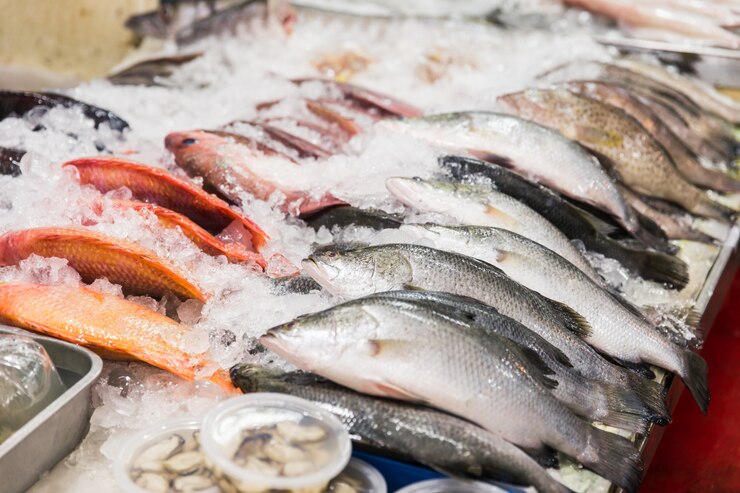
Fresh fish is highly perishable, making proper processing and packaging essential for marketability and profitability. Small-scale fish farmers and fishmongers can increase income by maintaining quality, extending shelf life, and meeting buyer standards. Efficient processing reduces losses and ensures consumer safety.
Handling Fish After Harvest
Handle fish carefully immediately after harvesting to prevent bruising or spoilage. Use clean containers and avoid overcrowding. Immerse fish in ice or chilled water to lower temperature quickly. Rapid cooling slows bacterial growth and preserves freshness.
Cleaning and Gutting
Remove scales, guts, and gills using clean knives and cutting boards. Wash fish thoroughly with clean water. Proper cleaning prevents contamination, improves appearance, and extends shelf life. Perform this step as soon as possible after harvest.
Sorting and Grading
Sort fish by size, weight, and species. Grading ensures uniformity, which appeals to buyers and allows premium pricing for larger or higher-quality fish. It also simplifies packaging and transport.
Preservation Methods
Use ice, refrigeration, or vacuum packing to maintain freshness. For short-distance sales, crushed ice is sufficient. For longer transport, cold storage or freezing is necessary. Smoking or salting can also be used to extend shelf life for traditional markets.
Packaging Fresh Fish
Use food-grade packaging materials. Wrap fish individually or in batches in plastic or insulated boxes. Include sufficient ice to maintain temperature during transport. Clearly label packages with species, weight, and harvest date to build buyer confidence.
Transport Considerations
Maintain cold chain from farm to market. Use insulated vehicles or coolers to prevent spoilage. Minimize handling and transport time. Proper transport ensures fish arrives in good condition and commands better prices.
Hygiene and Safety Standards
Maintain high hygiene standards at all stages. Clean equipment, hands, and work surfaces regularly. Follow local regulations for food safety. Reducing contamination protects consumers and prevents financial losses due to rejected products.
Marketing Fresh Fish
Target markets that value quality and freshness. Direct sales to restaurants, hotels, and retailers often yield higher prices than open-air markets. Highlight quality assurance, proper packaging, and handling practices to attract premium buyers.
Record-Keeping and Cost Control
Track harvest volumes, processing costs, and sales prices. Record losses due to spoilage or damage. Monitoring costs and returns helps identify areas for efficiency improvements and increases profitability.
Processing and packaging fresh fish correctly preserves quality, reduces losses, and increases market value. Careful handling, cleaning, grading, proper preservation, and hygienic packaging are essential steps for profitability. Farmers and traders who follow these practices can expand their market reach and earn higher returns.
Join 'Farmers Mag' WhatsApp Channel
Get the latest Farming news and tips delivered straight to your WhatsApp
CLICK HERE TO JOIN