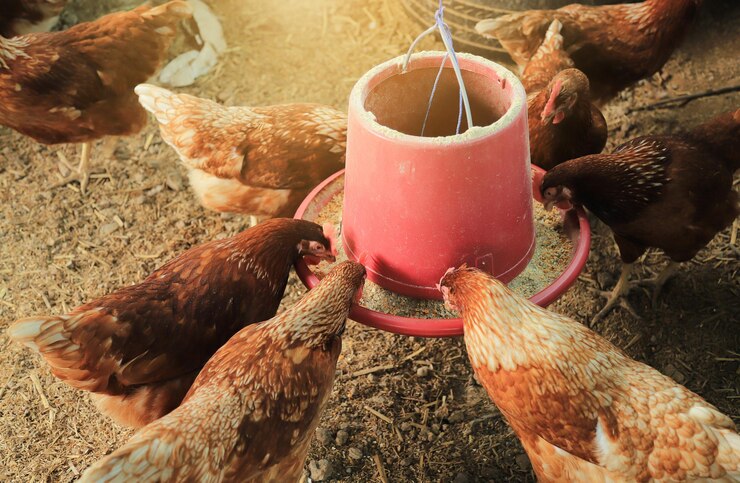
Feed is the largest cost in poultry farming, accounting for 60 to 70 percent of total expenses. Using locally available grains can significantly reduce costs while maintaining bird health and growth. Proper formulation ensures balanced nutrition, improves productivity, and maximizes profits.
Benefits of Using Local Grains
Local grains such as maize, sorghum, millet, and cassava are often cheaper and readily available. They reduce dependence on commercial feeds and lower transportation costs. Using local grains also supports local farmers and promotes sustainable farming practices.
Understanding Poultry Nutritional Needs
Poultry require protein, energy, vitamins, and minerals. Energy comes mainly from carbohydrates in grains. Protein sources include legumes, oilseed cakes, or local seeds. Vitamins and minerals can be added through premixes or natural sources such as green leafy vegetables and bone meal. Proper balance ensures good growth, egg production, and immunity.
Selecting the Right Grains
Choose grains that are affordable, locally available, and suitable for poultry. Maize is high in energy and widely used. Sorghum and millet provide energy and some protein. Cassava chips are cheap energy sources but require proper processing to remove toxins. Diversifying grains ensures stable supply and reduces risk of price fluctuations.
Formulating the Feed
Start by calculating the percentage of energy, protein, and other nutrients needed for the bird’s age and purpose. Growers require higher protein, layers need calcium for eggshells, and broilers need high energy for rapid growth. Mix grains with protein sources and mineral/vitamin supplements to create a balanced ration. Small-scale farmers can experiment with ratios, keeping feed trials and bird performance records.
Processing Local Grains
Grains should be cleaned, dried, and milled before feeding. Some, like cassava, need boiling or fermenting to remove toxins. Proper processing improves digestibility and reduces the risk of disease.
Storage and Preservation
Store feed in dry, ventilated areas to prevent mold, pests, and nutrient loss. Use airtight containers for smaller batches. Rotate stocks regularly to ensure freshness. Proper storage maintains feed quality and reduces losses.
Cost Optimization
Compare local grain prices regularly to source the cheapest, highest-quality options. Incorporate by-products like bran or oilseed cake to reduce costs further. Monitor bird performance and adjust feed ratios to avoid overfeeding or nutrient deficiencies.
Record-Keeping
Track the types and amounts of grains used, feed costs, and bird growth or egg production. Records help identify cost-saving opportunities and improve feed formulation over time.
Formulating poultry feed using local grains reduces costs and supports sustainable farming. Understanding nutritional needs, selecting appropriate grains, processing them properly, and monitoring bird performance are key to profitability. Small-scale farmers who implement these practices can improve productivity, reduce expenses, and maintain healthy flocks.
Join 'Farmers Mag' WhatsApp Channel
Get the latest Farming news and tips delivered straight to your WhatsApp
CLICK HERE TO JOIN