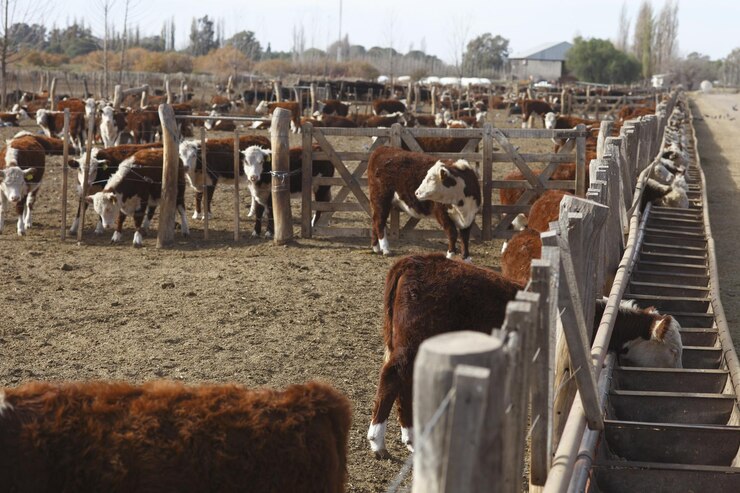
Working with livestock carries risks. Every year, farmers and farmworkers face injuries ranging from minor cuts to severe trauma caused by animals. Understanding animal behavior and following safety protocols can significantly reduce accidents.
Know Your Animals
Different livestock have distinct behaviors. Cattle may kick or charge when startled. Horses can bite or rear if frightened. Sheep and goats often stampede when crowded. Recognizing these patterns helps you anticipate reactions and avoid dangerous situations.
Safe Handling Practices
Always approach animals calmly and quietly. Sudden movements or loud noises can trigger aggressive or defensive behavior. Use proper restraints such as halters, headlocks, or chutes to control animals during feeding, grooming, or veterinary procedures. Never place yourself in a position where the animal can trap or crush you.
Facility Design
Well-designed facilities reduce risks. Fencing should be strong and tall enough for the livestock type. Floors must be non-slip and free of debris to prevent falls. Gates and alleys should allow safe movement of animals, minimizing bottlenecks that can cause panic. Lighting should be adequate to spot hazards.
Personal Protective Equipment
Protective gear can prevent injuries. Wear sturdy boots, gloves, and sometimes helmets when working with large animals. High-visibility clothing ensures others can see you during busy farm operations. Eye protection is important when working with animals prone to head movement.
Training and Awareness
Regular training for all farm workers is essential. Everyone should know emergency procedures, first aid basics, and the proper use of handling equipment. Training in recognizing signs of stress or illness in animals also prevents accidents caused by sudden, unexpected behavior.
Supervision and Communication
Never work alone with large or unpredictable livestock. Always inform someone when handling potentially dangerous animals. Use radios or mobile devices to maintain contact during operations in remote areas of the farm.
Emergency Preparedness
Despite precautions, accidents can happen. Keep first aid kits accessible. Ensure quick access to veterinary services and have a clear evacuation plan for both humans and animals in case of fire, flood, or other emergencies.
Minimizing livestock-related accidents requires a combination of knowledge, equipment, and vigilance. Proper handling, secure facilities, protective gear, and ongoing training drastically reduce risk. Farmers who adopt these safety measures protect both themselves and their animals while maintaining productive operations.
Join 'Farmers Mag' WhatsApp Channel
Get the latest Farming news and tips delivered straight to your WhatsApp
CLICK HERE TO JOIN