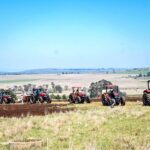
In the face of climate change, soil degradation, and the need for sustainable food production, conservation agriculture (CA) has emerged as a promising farming system worldwide. Central to this approach are two key practices: minimal tillage and the use of cover crops. Together, they help improve soil health, boost crop yields, and reduce environmental impacts—offering farmers a resilient path forward.
What Is Conservation Agriculture?
Conservation agriculture is a farming system designed to maintain and improve the natural resources on which agriculture depends. It emphasizes minimal soil disturbance, permanent soil cover, and crop rotation. This approach contrasts sharply with conventional farming methods that often rely on intensive plowing and leaving soil bare between crops.
The Role of Minimal Tillage
Minimal tillage, or reduced tillage, means disturbing the soil as little as possible during land preparation. Traditional tillage can disrupt soil structure, destroy beneficial microorganisms, and accelerate erosion. By reducing or eliminating plowing, farmers preserve soil aggregates, maintain organic matter, and protect soil biodiversity.
Benefits of minimal tillage include:
- Improved Soil Structure: Maintains pores and channels that allow water infiltration and root growth.
- Reduced Erosion: Less soil exposed to wind and water forces.
- Enhanced Carbon Sequestration: Soils retain more organic carbon, helping mitigate climate change.
- Lower Fuel and Labor Costs: Less machinery use saves money and time.
The Importance of Cover Crops
Cover crops are plants grown primarily to cover the soil rather than for harvest. Common examples include legumes (like clover or vetch), grasses (such as rye or barley), and brassicas (mustard or radish). They are planted during off-season periods or alongside main crops to provide a living soil cover.
Cover crops offer multiple advantages:
- Soil Protection: Prevent soil erosion and reduce nutrient runoff.
- Weed Suppression: Compete with weeds, reducing herbicide use.
- Nutrient Cycling: Leguminous cover crops fix atmospheric nitrogen, enriching soil fertility naturally.
- Improved Soil Moisture: Mulch from cover crops helps retain moisture during dry spells.
- Enhanced Soil Microbial Activity: Promote a healthy soil ecosystem critical for plant growth.
Combining Minimal Tillage and Cover Crops for Maximum Impact
When used together, minimal tillage and cover crops create a synergy that improves long-term farm productivity and sustainability. Cover crops provide the soil cover that minimal tillage needs to be effective, while reduced soil disturbance helps maintain the integrity of the cover crop residue.
This combination helps farmers:
- Build soil organic matter, increasing water retention and nutrient availability.
- Reduce dependence on chemical fertilizers and pesticides.
- Increase resilience to droughts and floods.
- Promote biodiversity both above and below the ground.
Practical Considerations for Farmers
Adopting conservation agriculture requires some adjustments and planning:
- Selecting Suitable Cover Crops: Choose species adapted to local climate and soil conditions.
- Managing Residue: Learn to manage cover crop biomass to avoid pest issues or planting delays.
- Equipment Needs: Some minimal tillage systems require specialized planters or seed drills.
- Patience: Soil health improvements and yield benefits may take a few seasons to become apparent.
Farmers can seek technical advice from agricultural extension services, NGOs, or local conservation programs to get started.
Conservation agriculture, with its focus on minimal tillage and cover crops, represents a practical and sustainable farming model. It not only safeguards vital soil resources but also enhances productivity and climate resilience. For farmers aiming to future-proof their land and livelihoods, embracing these practices is a step toward a healthier planet and a more prosperous agricultural sector.
Join 'Farmers Mag' WhatsApp Channel
Get the latest Farming news and tips delivered straight to your WhatsApp
CLICK HERE TO JOIN