Beef cattle farming can be a highly rewarding venture when done right. Whether you’re aiming to supply meat locally or on a larger commercial scale, starting with the right knowledge is essential. For beginners, raising healthy, productive cattle means making informed decisions from day one. Here are practical tips to help you get started on the right hoof.
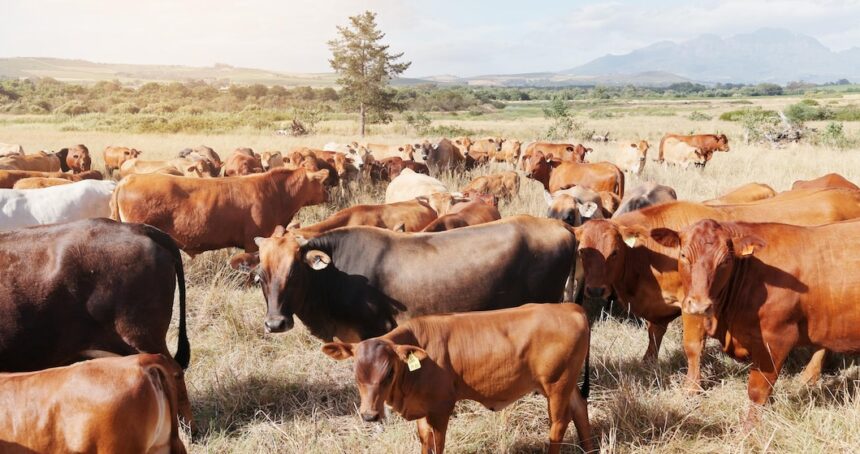
The first step in successful beef cattle rearing is selecting the right breed. Some breeds are better suited for meat production due to their fast growth rate, feed efficiency, and quality of beef. Common beef breeds in South Africa include Brahman, Nguni, Bonsmara, and Angus. It’s important to choose a breed that fits your climate, land capacity, and market demands.
Good infrastructure is also key. Cattle require secure fencing, shaded areas, feeding troughs, and access to clean water. Strong, well-maintained fences help prevent animals from wandering off or being stolen. A simple but functional shelter protects them from extreme weather, especially calves that are more vulnerable to the cold and heat.
Feeding is a major factor in cattle growth and health. While cattle can graze on natural pasture, quality supplementary feeding boosts weight gain and ensures adequate nutrition during dry seasons. A balanced diet includes roughage (grass, hay, silage) and concentrates such as maize or formulated cattle feed. Always ensure animals have access to fresh, clean water—hydration directly impacts digestion and growth.
Regular health management cannot be ignored. Work with a local veterinarian to set up a vaccination and deworming schedule. Early disease detection and treatment save money in the long run and prevent losses. Common health issues in beef cattle include tick-borne diseases, foot-and-mouth disease, and bloating. Maintaining a clean environment and practicing good biosecurity helps reduce the risk of disease outbreaks.
Breeding should also be planned carefully. Beginners should start with a small herd and aim for a manageable breeding program. It’s vital to keep accurate records of mating dates, birth weights, and health treatments. Calving intervals should be monitored to ensure your herd remains productive year-round. Using high-quality bulls or artificial insemination can improve herd genetics over time.
Handling facilities such as crush pens or cattle chutes make managing your animals safer and more efficient. These are essential for vaccinations, branding, weighing, and inspections. Calm, stress-free handling reduces injuries and improves meat quality.
Marketing is another area beginners should focus on from the beginning. Knowing where and how to sell your beef—whether at local butcheries, live auctions, or directly to consumers—helps you plan your production schedule. Building relationships with buyers and staying updated on market prices allows you to sell at the best time and get fair returns.
Lastly, educate yourself continuously. Join local farmer groups, attend agricultural shows, and follow government extension services. Farming is an evolving field, and staying informed helps you adopt better techniques and adapt to challenges quickly.
Starting a beef cattle farm doesn’t require massive land or a large herd. With the right planning, dedication, and basic knowledge, beginners can build a profitable and sustainable business. By focusing on animal welfare, proper nutrition, and market readiness, new farmers can set themselves up for long-term success in the beef industry.
Join 'Farmers Mag' WhatsApp Channel
Get the latest Farming news and tips delivered straight to your WhatsApp
CLICK HERE TO JOIN