

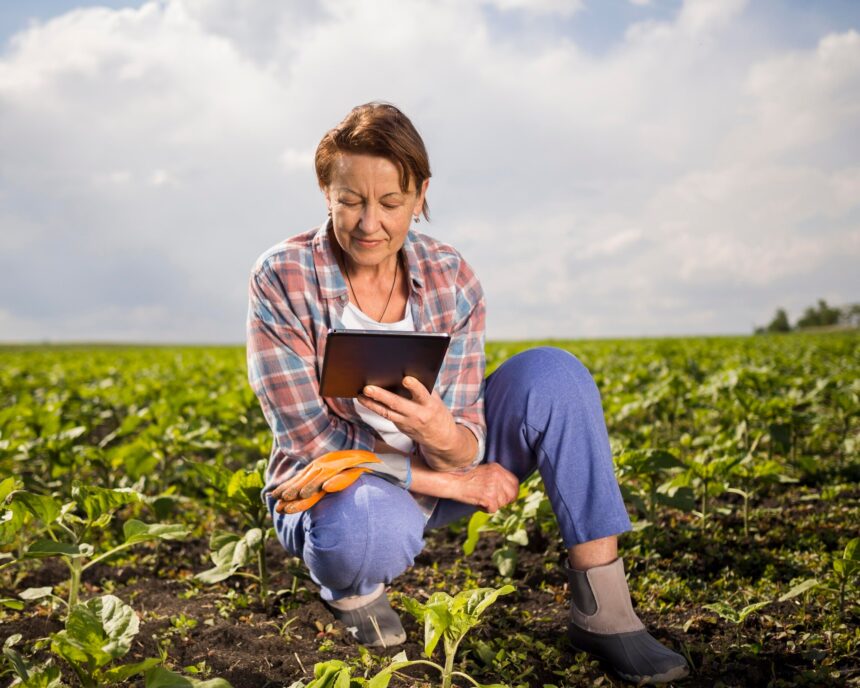
In today’s ever-changing climate, successful farming depends more than ever on accurate weather data and reliable forecasts. Farmers across the world are learning that aligning agricultural activities with weather patterns can significantly boost productivity, reduce losses, and improve sustainability. Using weather data for farm planning isn’t just a high-tech trend—it’s a practical necessity for modern agriculture.
Weather data includes information about temperature, rainfall, humidity, wind speed, solar radiation, and extreme weather events. When paired with short-term, seasonal, or even long-range forecasts, this data becomes a powerful decision-making tool. From planting and irrigation to harvesting and pest control, virtually every stage of farming benefits from smart weather-based planning.
One of the most immediate advantages of using weather forecasts is optimizing planting schedules. Knowing when to expect rainfall helps farmers avoid sowing during dry spells or heavy storms, which can damage seeds or delay germination. Temperature forecasts also guide the selection of crop varieties suited for expected seasonal conditions, ensuring better survival rates and higher yields.
Rainfall data plays a vital role in irrigation planning. Overwatering not only wastes water but can also cause root diseases and nutrient leaching. By monitoring daily and weekly precipitation levels, farmers can determine when and how much to irrigate, making water use more efficient. In areas where droughts are frequent, access to seasonal forecasts helps in choosing drought-resistant crops or adjusting planting density.
Pest and disease outbreaks are often linked to specific weather conditions. For instance, high humidity and warm temperatures can trigger fungal infections in crops, while prolonged wet spells may favor the spread of bacterial diseases. By tracking upcoming weather trends, farmers can apply pesticides or fungicides proactively, reducing the risk of large-scale infestations and minimizing chemical use.
Harvesting is another critical phase where weather forecasts matter. Crops like maize, wheat, and fruits need to be harvested in dry conditions to prevent spoilage and post-harvest losses. Sudden rains during harvest can damage produce or make fields inaccessible. A reliable short-term forecast helps schedule harvest days accurately, while wind data aids in preparing for dust storms or high-wind events that could damage crops or equipment.
Livestock farmers also benefit from weather-informed planning. Cold fronts, heatwaves, or flooding can affect animal health and feed availability. Weather data helps manage shelter, adjust feeding schedules, and ensure adequate water supply. In areas prone to heat stress, early warning systems allow farmers to take protective actions for their herds.
Access to weather data has improved significantly with mobile apps, satellite tools, and national meteorological services offering tailored agricultural updates. Many platforms now provide hyperlocal forecasts, crop-specific advisories, and alerts for extreme events. These digital tools empower farmers to make informed decisions in real time, improving resilience to unpredictable weather.
Incorporating weather data into farm planning leads to smarter resource use, better yields, and greater economic returns. As climate patterns become more erratic, proactive planning based on weather information is no longer optional—it’s essential. By embracing this data-driven approach, farmers can not only protect their operations but also contribute to more sustainable and climate-smart agriculture.
Join 'Farmers Mag' WhatsApp Channel
Get the latest Farming news and tips delivered straight to your WhatsApp
CLICK HERE TO JOIN




