For South African farmers, diversification is becoming an essential strategy to improve profitability and resilience in the face of climate change and fluctuating market prices. One of the most effective ways to diversify is by combining livestock production with crop farming. Integrated farming systems not only boost productivity but also improve soil health, reduce input costs, and create multiple income streams.
Here’s a look at the top five livestock-crop combinations that are proving successful for South African farmers.
1. Cattle and Maize
Cattle and maize farming is one of the most popular and practical combinations in South Africa, especially in provinces like Free State, North West, and parts of KwaZulu-Natal.
Why it works:
- Maize provides high-quality silage and crop residues for cattle feed.
- Cattle manure enriches soil fertility for the next planting season.
- Crop-livestock rotation improves soil structure and reduces pest build-up.
Farmers typically harvest grain maize for sale and use the stover (crop residue) as affordable feed during dry months.
2. Goats and Sorghum
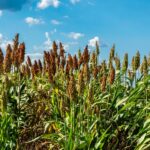
In drier regions like the Northern Cape and Limpopo, goats paired with sorghum production offer a drought-resistant farming system.
Benefits of this combination:
- Sorghum grows well in low-rainfall areas and provides both grain and fodder.
- Goats can graze on sorghum stubble after harvest.
- Goats require less water and can survive harsh conditions.
Additionally, goats offer multiple revenue streams, including meat, milk, and hides, while sorghum remains in demand for human consumption and brewing industries.
3. Sheep and Lucerne (Alfalfa)
For farmers in the Western Cape and Karoo regions, integrating sheep with lucerne (also known as alfalfa) is a smart choice.
Advantages:
- Lucerne is a protein-rich forage that boosts lamb growth and ewe fertility.
- Sheep help control weeds in lucerne fields through managed grazing.
- The system reduces the need for costly commercial feed.
Many sheep farmers rotate grazing areas and hay production fields, ensuring soil rest periods and maximizing lucerne regrowth.
4. Poultry and Vegetable Farming
Small-scale and emerging farmers across Gauteng, Mpumalanga, and Eastern Cape are increasingly adopting poultry-vegetable systems.
Why this system thrives:
- Chicken manure is a potent organic fertilizer for vegetables like spinach, cabbage, and tomatoes.
- Vegetable waste can supplement poultry feed, reducing feed costs.
- The short production cycles of both poultry and vegetables ensure regular cash flow.
This combination works well for peri-urban farmers supplying both local markets and community buyers.
5. Pigs and Sweet Potatoes
For farmers in KwaZulu-Natal and parts of the Eastern Cape, pig farming combined with sweet potato cultivation is showing strong potential.
Key benefits:
- Sweet potato vines and peels make excellent, low-cost pig feed.
- Pig manure, when composted properly, enriches soil for sweet potato growth.
- The dual income from pork and sweet potatoes diversifies market risks.
This system works particularly well for smallholder farmers looking for low-input, high-return farming models.
Choosing the right livestock-crop combination depends on your farm size, climate, soil type, and market access. By integrating these systems, South African farmers can make better use of available resources, improve land productivity, and create a more resilient farming business.
Whether you’re managing a large commercial farm or starting out as an emerging farmer, these top five livestock-crop combinations offer practical and profitable solutions tailored to South Africa’s diverse agricultural landscape.
Join 'Farmers Mag' WhatsApp Channel
Get the latest Farming news and tips delivered straight to your WhatsApp
CLICK HERE TO JOIN