

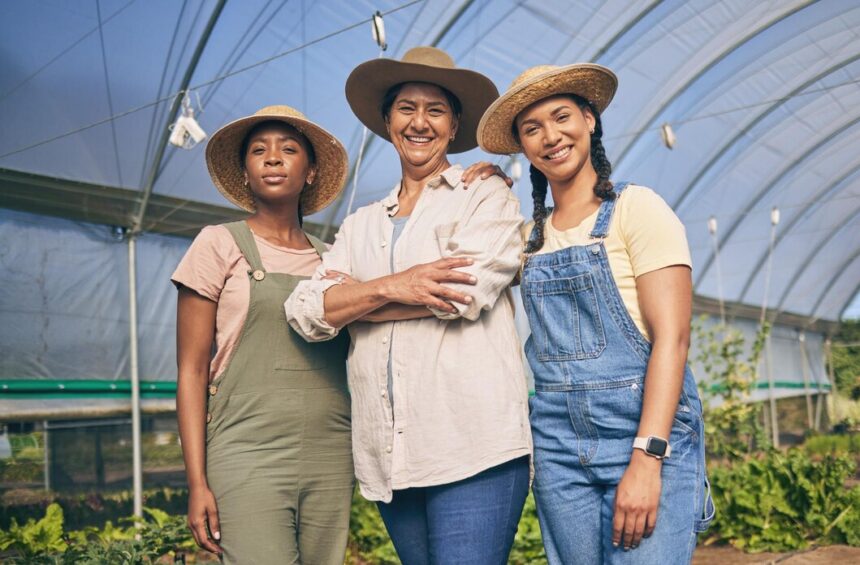
In the evolving landscape of agriculture, women are taking on increasingly influential roles—from smallholder farming to agribusiness leadership. However, one area that remains underutilized by many female farmers is professional networking. Building a strong network can open doors to funding opportunities, mentorship, knowledge exchange, and collaborative growth. For women in agriculture, networking is more than just making contacts—it’s about creating a support system that nurtures success and resilience.
The first step in effective networking is joining farmer associations and cooperatives. These groups often host regular meetings, training sessions, and market linkages that help members stay informed and connected. For women, being part of such organizations provides a collective voice, increased bargaining power, and access to shared resources like equipment, transport, or cold storage.
Attending agricultural expos, field days, and workshops is another powerful way to meet like-minded individuals and potential collaborators. These events provide face-to-face interaction with suppliers, buyers, policymakers, and other farmers. Female farmers should take advantage of these opportunities to ask questions, exchange contacts, and even participate in panel discussions or demonstrations to raise their profiles.
Leveraging digital platforms and social media has become a game-changer for networking in recent years. WhatsApp groups, Facebook pages, and LinkedIn communities dedicated to agriculture allow female farmers to connect across regions and borders. These platforms make it easier to share ideas, promote products, find markets, and receive real-time advice on farming challenges.
Mentorship is another critical aspect of networking. Seeking out experienced women in agriculture—whether locally or online—can provide invaluable guidance, especially for those just starting out or expanding into new ventures. Many agricultural programs now offer mentorship opportunities specifically designed for women, pairing them with seasoned professionals who understand the unique challenges female farmers face.
Collaborative projects or group farming initiatives can also enhance networking. By working together on land-sharing, processing, or packaging projects, women farmers can pool resources and knowledge while strengthening relationships. These collaborations often lead to long-term partnerships and shared success.
For female farmers balancing multiple responsibilities at home and in the field, time can be a constraint. That’s why it’s important to prioritize strategic connections. Focus on building relationships with individuals or organizations that align with specific goals—whether it’s improving yields, accessing finance, or entering new markets.
Another key tip is to be visible and vocal. Whether through speaking at a community meeting, sharing success stories online, or hosting farm visits, making one’s work and voice heard helps build recognition and credibility. This not only boosts personal confidence but also inspires other women to engage and grow their own networks.
Finally, stay consistent and follow up. Networking doesn’t end after exchanging contacts. A simple message or visit to follow up on a conversation can turn a casual introduction into a valuable relationship. Strong networks are built over time through trust, communication, and mutual support.
In a traditionally male-dominated industry, networking empowers women to claim their space and thrive. By building meaningful connections, female farmers can gain access to information, influence, and inspiration that elevate their agricultural ventures. With the right network, no woman in farming has to succeed alone.
Join 'Farmers Mag' WhatsApp Channel
Get the latest Farming news and tips delivered straight to your WhatsApp
CLICK HERE TO JOIN




