In rural South Africa, where smallholder farmers face rising input costs and unpredictable weather, mixed farming has emerged as a practical and sustainable approach to reduce expenses and improve livelihoods. By combining crop cultivation with livestock rearing on the same land, farmers can optimize resources, increase productivity, and build resilience against market fluctuations and environmental challenges. If you’re a rural farmer looking to cut costs while maximizing output, here’s how mixed farming can help and practical steps to get started.
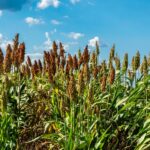
The core advantage of mixed farming lies in its resource efficiency. Livestock and crops complement each other by creating a natural cycle of inputs and outputs. For example, animal manure provides an excellent organic fertilizer for crops, reducing or eliminating the need to buy expensive chemical fertilizers. This not only cuts costs but also improves soil health over time, leading to better yields. Additionally, crop residues such as maize stalks or sorghum leaves serve as affordable fodder for animals, lowering feed expenses.
Diversification in mixed farming also spreads risk. If one enterprise underperforms due to drought or pests, the other may still generate income, helping farmers maintain financial stability. For instance, in dry years when crop yields are low, livestock can still provide milk, meat, or income from sales, and vice versa.
To reduce costs with mixed farming, start by assessing your land and resources. Choose crops and livestock that suit your climate, soil type, and market demand. Common crop choices in rural South Africa include maize, beans, and pumpkins, while goats, chickens, and cattle are popular livestock options due to their adaptability and market value.
Implementing integrated grazing systems can optimize land use. Rotational grazing, where livestock are moved between pasture sections, allows grasses to recover and reduces the need for supplementary feed. This approach keeps animals healthy and decreases feed costs, which are often the largest expense in livestock farming.
Water management is another critical factor. Installing simple rainwater harvesting systems, like tanks and contour trenches, ensures water availability for both crops and animals, especially during dry spells. Efficient water use reduces the need for costly irrigation or water purchases.
Embracing agroforestry within your mixed farming system can also help. Planting nitrogen-fixing trees or shrubs alongside crops provides shade, improves soil fertility, and offers additional products such as firewood or fruit that can be sold or consumed at home.
Cost-effective mixed farming also relies on local knowledge and community collaboration. Sharing equipment, seeds, or labor with neighboring farmers can reduce expenses significantly. Additionally, engaging with agricultural extension services or local cooperatives provides access to training, subsidies, and markets, helping you improve efficiency and profitability.
Record-keeping is essential for cost reduction. Tracking inputs and outputs helps identify areas where money is spent unnecessarily and highlights opportunities to optimize production. Regularly reviewing your farming practices allows for adjustments that save money and boost returns.
Finally, explore value addition to increase income without substantial new investment. For example, processing milk into cheese or yoghurt, or drying and packaging vegetables, can fetch better prices at local markets or even urban centers.
Mixed farming offers rural South African farmers a sustainable pathway to reduce costs and enhance food security. By intelligently combining crops and livestock, managing resources efficiently, and embracing community cooperation, smallholders can build resilient farms that thrive despite economic and environmental challenges. With dedication and smart planning, mixed farming can turn limited resources into lasting prosperity.
Join 'Farmers Mag' WhatsApp Channel
Get the latest Farming news and tips delivered straight to your WhatsApp
CLICK HERE TO JOIN