

As agriculture embraces innovation, internet connectivity has become just as essential to modern farms as tractors and irrigation systems. Yet for many farmers in remote or rural areas, reliable internet access remains a major hurdle. Extending internet connectivity to remote farms is not only a technological challenge—it is a necessary step toward unlocking productivity, sustainability, and economic growth in agriculture.
In recent years, the digital transformation of farming—often called smart farming or precision agriculture—has seen increasing reliance on internet-enabled devices. From GPS-guided tractors and soil sensors to real-time weather forecasts and market access platforms, technology is revolutionizing the way farmers manage their land and resources. However, without dependable internet access, farmers in remote locations are left behind, unable to fully benefit from these advancements.
To address this, a growing number of governments, private companies, and agricultural cooperatives are investing in infrastructure to bring high-speed internet to underserved farming areas. One of the most effective solutions is the use of fixed wireless broadband, where radio signals are transmitted from towers to antennas installed on farms. This method is cost-effective and relatively quick to deploy, especially in terrains where laying fiber-optic cables is impractical.
Another emerging option is satellite internet, which has seen dramatic improvements thanks to low-Earth orbit (LEO) satellite constellations. Unlike traditional satellite services, LEO satellites provide faster speeds and lower latency, making them suitable for real-time agricultural applications. Companies like Starlink and others are already offering services aimed specifically at rural users, including farmers.
Mobile network expansion is also playing a key role. With the rollout of 4G and 5G towers in rural areas, farmers can increasingly access mobile internet through their smartphones and connected devices. In many countries, mobile internet is the primary way farmers connect to services such as agricultural apps, digital financial tools, and e-learning platforms for best practices.
The benefits of rural internet access go beyond just individual productivity. Connected farms can participate in digital marketplaces, allowing them to sell directly to buyers, access pricing data, and reduce dependency on intermediaries. This opens up new income streams and promotes transparency in agricultural trade.
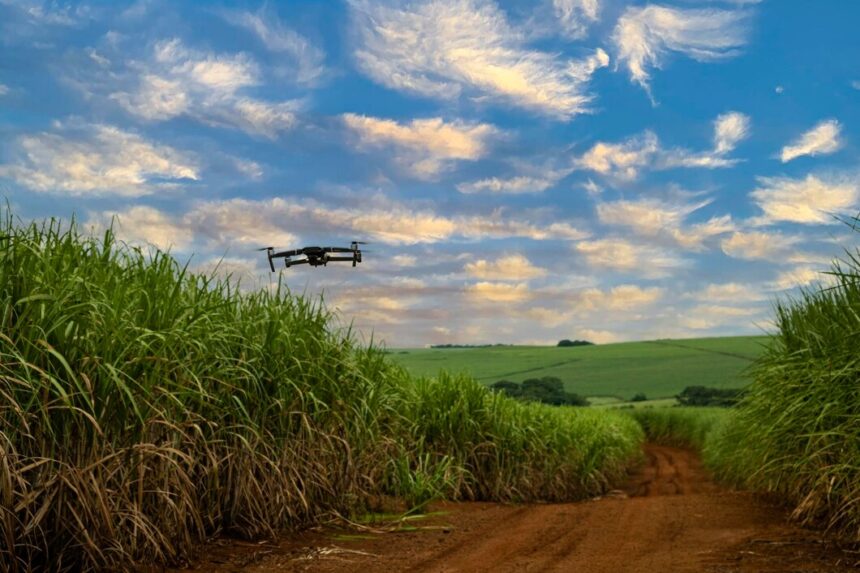
Additionally, real-time communication enables farmers to respond swiftly to weather changes, pest outbreaks, or supply chain disruptions. Data collected from smart sensors and drones can be uploaded and analyzed in the cloud, providing actionable insights that increase efficiency, reduce input waste, and support sustainable farming.
However, expanding rural internet does come with challenges. These include high setup costs, difficult terrain, limited power supply, and a lack of digital literacy among some farmers. To overcome these obstacles, public-private partnerships and government subsidies are critical. Programs that combine infrastructure investment with farmer training and affordable service packages have proven to be most successful.
Ultimately, extending internet connectivity to remote farms is not just about access—it is about inclusion. It ensures that farmers, no matter how far they are from cities or tech hubs, can thrive in a rapidly changing agricultural landscape. By bridging the digital divide, we empower rural communities, boost food security, and pave the way for a smarter, more connected future in farming.
Join 'Farmers Mag' WhatsApp Channel
Get the latest Farming news and tips delivered straight to your WhatsApp
CLICK HERE TO JOIN




