Drought conditions are an ongoing challenge for farmers across South Africa. With climate change intensifying weather patterns, livestock farmers must prepare proactively to protect their herds from the devastating effects of prolonged dry spells. From feed shortages to water scarcity and heat stress, drought can severely impact both animal health and farm income. However, with the right strategies in place, farmers can mitigate these risks and keep their livestock resilient.
One of the first steps in drought preparedness is careful water management. During a drought, natural water sources like rivers and dams often dry up, making it essential to secure alternative water supplies. Installing rainwater harvesting systems and investing in boreholes can help ensure a steady water source. Regularly monitoring water quality is equally important, as stagnant water during dry conditions can harbor harmful bacteria.
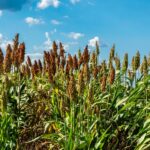
Feed management is another critical area. During a drought, grazing lands become sparse, leaving livestock with limited access to natural forage. To counter this, farmers should plan ahead by storing hay and other high-fiber feeds during the rainy season. Supplementing diets with drought-resistant fodder crops such as lucerne and sorghum can help maintain nutrition levels. In times of severe shortage, farmers may also need to provide commercial feed concentrates to meet the animals’ energy and protein needs.
Adjusting herd size is a difficult but sometimes necessary decision. Reducing livestock numbers before a drought worsens can help lessen the strain on limited resources. Prioritize keeping your most productive and drought-tolerant animals, and consider selling older or less productive stock early to avoid losses later.
Shelter and shade are also crucial during extreme heat. Providing animals with access to shaded areas or installing temporary shade structures can help reduce heat stress and improve overall welfare. Heat-stressed livestock are more prone to disease and weight loss, making this a vital part of any drought survival plan.
Monitoring animal health becomes even more important during drought conditions. Dehydration and poor nutrition can weaken immune systems, making livestock vulnerable to diseases like respiratory infections and parasitic infestations. Work closely with a local veterinarian to implement a proactive health management program, including vaccinations and deworming.
Farmers should also explore government drought relief programs. The South African government, along with various agricultural organizations, often provides emergency assistance to affected farmers. This can include feed subsidies, water delivery programs, and financial aid. Staying informed about available support and applying early can make a significant difference.
Diversifying income streams can further build resilience. By incorporating drought-tolerant crops, small-scale poultry farming, or other complementary activities, farmers can reduce their dependence on a single source of income.
Lastly, developing a comprehensive drought management plan tailored to your farm’s specific conditions is essential. This should include risk assessments, contingency plans for water and feed shortages, and long-term strategies for soil and pasture rehabilitation.
Protecting livestock from drought in South Africa requires preparation, adaptability, and timely action. By implementing these proactive measures, farmers can help safeguard their herds and sustain their livelihoods during challenging dry seasons.
Join 'Farmers Mag' WhatsApp Channel
Get the latest Farming news and tips delivered straight to your WhatsApp
CLICK HERE TO JOIN