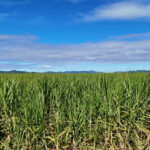
The revitalisation of the Zebediela Citrus Estate is gaining attention as part of Limpopo’s efforts to strengthen agricultural production, create employment opportunities and stimulate rural economic development. Limpopo MEC for Agriculture and Rural Development, Mr Basikopo Makamu, highlighted progress in the revitalisation initiative during a sitting of the Limpopo Provincial Legislature in Lebowakgomo. During the session, MEC Makamu tabled the Departmental Executive Statement, outlining the progress made in restoring the agricultural operations of the historic citrus estate. The initiative is being driven through the Department of Agriculture and Rural Development’s Revitalisation of Agriculture and Agro-Processing Value Chain (RAAVC) programme. Its objectives include restoring productive capacity, supporting sustainable job creation and contributing to economic growth in the surrounding region. The development forms part of the department’s broader commitment to building a stronger agricultural sector that creates opportunities for farmers, workers and rural communities.
The Zebediela Citrus Estate is an important agricultural name in Limpopo’s farming history. Located in the Zebediela area, the estate has long been associated with citrus production and agricultural employment. Its revitalisation represents an opportunity to restore productive agricultural assets and strengthen the role of commercial farming in the provincial economy. Citrus production requires careful planning, appropriate infrastructure, reliable water supplies and consistent orchard management. Restoring an agricultural operation of this nature therefore involves addressing several production requirements before the estate can achieve its full productive potential. The progress highlighted by MEC Makamu places renewed attention on the role of the estate in Limpopo’s agricultural development.
The department’s Revitalisation of Agriculture and Agro-Processing Value Chain programme provides the framework for the intervention. The RAAVC programme focuses on strengthening agricultural production and developing opportunities across agricultural value chains. This approach recognises that farming contributes to the economy through more than the production of raw agricultural commodities. Activities such as processing, packaging, storage, transportation and marketing can create additional economic opportunities. For citrus producers, a stronger value chain can improve the connection between orchards, processing facilities and markets. Revitalising agricultural enterprises can therefore contribute to broader economic activity when production and downstream opportunities are effectively connected.
Citrus farming is an important part of South Africa’s agricultural sector, supporting employment, domestic supply and export markets. The industry includes several citrus categories, such as oranges, lemons, grapefruit and mandarins. Successful citrus production depends on suitable climatic conditions, healthy orchards, effective pest and disease management and access to water. Farmers must also meet quality requirements and manage harvesting and post-harvest handling to protect the value of their produce. These requirements make investment in orchard management, agricultural infrastructure and technical expertise essential. The revitalisation of the Zebediela Citrus Estate provides an opportunity to strengthen citrus production in Limpopo and contribute to the province’s agricultural economy.
Job creation is one of the important objectives associated with the estate’s turnaround initiative. Agricultural enterprises can create employment through orchard maintenance, irrigation management, harvesting, sorting, packing and other operational activities. The number and nature of jobs depend on production levels, infrastructure and the scale of operations. Restoring agricultural productivity can help create opportunities for workers and households in surrounding communities. It can also support economic activity among businesses that provide agricultural inputs, transport and other services. Sustainable employment will depend on the estate maintaining productive operations and developing commercially viable activities over time.
The revitalisation initiative also highlights the importance of protecting and making productive use of agricultural land. Agricultural estates require continued investment and proper management to maintain their production capacity. Infrastructure such as irrigation systems, access roads, storage facilities and packing operations can influence the efficiency of farming activities. Orchard management is equally important because citrus trees require consistent care throughout their production cycle. Farmers and agricultural managers must monitor tree health, soil conditions, water requirements and pest pressures to maintain reliable yields. Restoring an agricultural estate therefore requires an integrated approach that addresses both immediate operational needs and long-term sustainability.
Agro-processing is another important consideration in the development of agricultural value chains. Processing agricultural products can create opportunities to add value before products reach consumers. In the citrus industry, suitable processing activities may include juice production and the use of other citrus-derived products, depending on available infrastructure and commercial feasibility. Stronger agro-processing capacity can also create demand for agricultural produce and support additional employment opportunities. However, processing facilities require reliable supplies of suitable raw materials, technical expertise, investment and access to markets. Linking primary production with viable processing opportunities can help strengthen the economic contribution of agricultural enterprises.
MEC Makamu’s presentation to the Limpopo Provincial Legislature also places the department’s agricultural development priorities within a wider public accountability process. Tabled executive statements provide an opportunity for provincial leadership to communicate departmental activities and progress on important programmes. Agricultural development requires public resources, institutional coordination and clear implementation priorities. Reporting on revitalisation initiatives allows attention to be placed on the objectives being pursued and the progress being made. Continued monitoring will be important in determining whether the Zebediela Citrus Estate achieves sustained improvements in production, employment and economic contribution.
The estate’s revitalisation also has relevance for broader rural development in Limpopo. Agricultural production can support rural economies by creating demand for labour, transport, agricultural supplies and other services. Stronger agricultural activity can provide opportunities for local businesses and contribute to household incomes. However, these benefits depend on consistent production, sound financial management and reliable access to markets. Agricultural development initiatives must therefore consider the entire production and marketing process rather than focusing only on restoring farming infrastructure. A commercially sustainable estate has greater potential to make a lasting contribution to its surrounding economy.
The progress reported by the department is an encouraging development for Limpopo’s agricultural sector, particularly in the effort to restore productive agricultural assets. However, the long-term success of the Zebediela Citrus Estate will depend on continued implementation, effective management and the ability to maintain viable production operations. Important considerations include orchard productivity, water availability, operational costs, market access and the development of appropriate agro-processing opportunities. Job creation will also need to be supported by stable agricultural activity and sustainable business operations. Continued government oversight and engagement with relevant agricultural stakeholders will be important as the revitalisation programme moves forward.
The revitalisation of the Zebediela Citrus Estate reflects Limpopo’s ambition to strengthen agriculture as a driver of economic development and employment creation. Through the RAAVC programme, the Limpopo Department of Agriculture and Rural Development is working to restore agricultural productivity and support stronger agricultural value chains. MEC Basikopo Makamu’s presentation to the Provincial Legislature highlights the importance the department places on this turnaround initiative. Sustained progress at the estate could create opportunities for workers, local businesses and the wider agricultural sector. Ultimately, the success of the initiative will be measured by its ability to maintain productive operations, support sustainable jobs and make a lasting contribution to Limpopo’s economy.
Join 'Farmers Mag' WhatsApp Channel
Get the latest Farming news and tips delivered straight to your WhatsApp
CLICK HERE TO JOIN