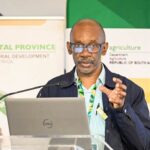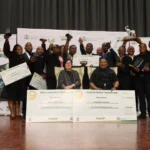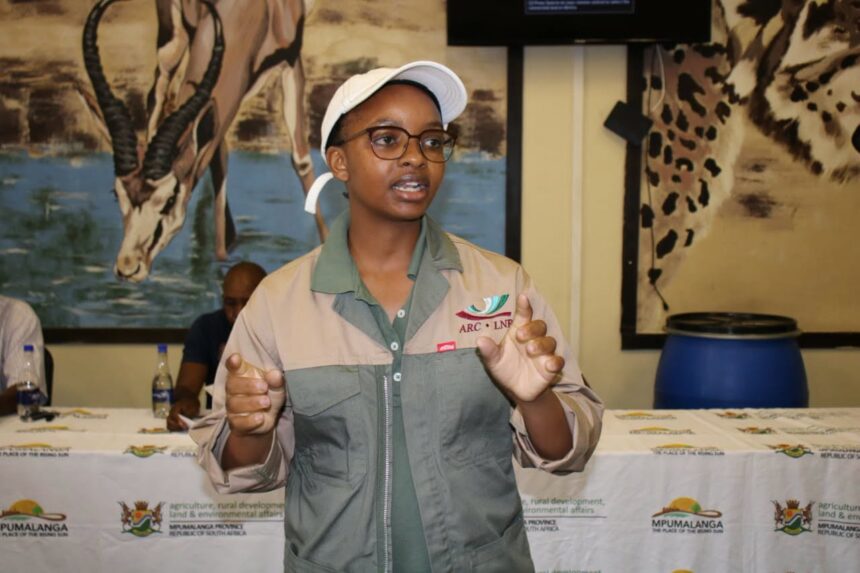
Livestock farmers in Mpumalanga have received practical guidance on improving cattle production, strengthening herd management and protecting their animals from diseases. The Mpumalanga Department of Agriculture, Rural Development, Land and Environmental Affairs (DARDLEA), in partnership with the Agricultural Research Council (ARC), hosted a Livestock Farmers Day in Middelburg. The event brought farmers and agricultural experts together to discuss important issues affecting the livestock sector. Topics included cattle identification, clinical diseases, bull selection, reproductive technologies and the control of Lumpy Skin Disease. The programme also addressed climate and disaster risk management, giving farmers an opportunity to learn how changing weather conditions can affect their livestock operations.
One of the key topics was livestock brand marking and animal identification. Proper identification helps farmers establish ownership of their animals and makes it easier to trace livestock if animals go missing or are stolen. Farmers were encouraged to understand the requirements for registering identification marks and applying them correctly. Good livestock records also help producers manage their herds and keep track of important information such as animal purchases, sales, breeding and health treatments. These practices support responsible livestock management and can help reduce losses caused by theft, poor recordkeeping and uncertainty about animal ownership.
Animal health was another major focus of the farmers day. Discussions covered common clinical diseases, Lumpy Skin Disease and the importance of recognising health problems early. Lumpy Skin Disease can affect cattle productivity and cause financial losses for farmers, making prevention and appropriate veterinary attention important. Farmers need to monitor their animals for unusual symptoms and seek professional advice when they suspect an infection. Regular veterinary care, suitable vaccination programmes where recommended and good farm hygiene can help protect herd health. The discussions also addressed Foot-and-Mouth Disease, reinforcing the need for continued biosecurity and responsible disease management across farming communities.
Foot-and-Mouth Disease remains a serious concern for the livestock industry because it spreads easily among susceptible animals and can disrupt livestock movement and trade. Farmers play an important role in limiting its spread by following veterinary instructions and observing applicable movement controls. They should avoid moving animals without the required authorisation and report suspected cases to the relevant veterinary authorities. Keeping newly purchased animals separate from the existing herd for an appropriate period can also help reduce the risk of introducing disease. Strong biosecurity practices require cooperation between farmers, animal health professionals, transporters and other people who work with livestock.
The programme also addressed bull selection guidelines and cattle breeding methods. Choosing a suitable breeding bull can influence herd fertility, calf growth, physical characteristics and the long-term productivity of a cattle operation. Farmers need to consider factors such as health, fertility, physical soundness, temperament and breeding performance when selecting a bull. The discussions on cattle synchronisation and artificial insemination introduced farmers to reproductive technologies that can support more organised breeding programmes. These methods can help producers plan calving seasons and improve access to selected genetics, although they require suitable facilities, technical support and careful management to achieve good results.
Animal Genetic Services also featured in the discussions, highlighting the importance of using breeding knowledge and available technologies to improve livestock quality. Genetic improvement is a long-term process that requires farmers to make informed breeding decisions and keep accurate records of their herds. Selecting animals with desirable production and reproductive traits can help strengthen future generations of cattle. However, farmers should also consider whether particular breeds and genetic characteristics suit their local climate, grazing conditions and production goals. Access to reliable technical advice can help small-scale and commercial producers make better decisions about breeding and herd development.
Climate and disaster risk management formed another important part of the event. Livestock farmers face risks from drought, heat, heavy rainfall and other weather-related conditions that can affect grazing, water supplies and animal health. Changes in weather patterns can place pressure on feed availability and increase the cost of keeping animals in good condition. Farmers were encouraged to consider practical ways to prepare for climate-related challenges and protect their livestock resources. Planning grazing periods, managing water supplies, storing feed where possible and monitoring weather information can help reduce the impact of difficult seasons. Better preparation can also improve the ability of farming businesses to recover from unexpected events.
G3 Abattoir and Butcheries contributed an important market perspective by sharing information on beef production, beef management calendars and market trends. These discussions helped connect livestock production decisions with the requirements of the beef value chain. Farmers need to understand how feeding, breeding, animal health and finishing practices influence the quality and market readiness of their cattle. A well-planned beef management calendar can help producers organise activities such as breeding, vaccination, weaning and preparation for sale. Understanding market trends can also help farmers make informed decisions about when and how to market their animals.
The participation of an abattoir and butchery also highlighted the importance of relationships between livestock producers and buyers. Producing healthy cattle is essential, but farmers also need to understand the standards and processes involved in selling animals for meat production. Access to reliable market information can help producers assess their options and plan their operations around customer requirements. Better communication between farmers, abattoirs, butcheries and other industry participants can strengthen market access and improve opportunities for livestock businesses. These connections are particularly important for emerging and small-scale farmers who may need additional guidance to participate successfully in the formal beef market.
The collaboration between DARDLEA and the ARC demonstrated the value of bringing research, government support and practical farming experience together. Farmers benefit when technical information is explained in ways they can apply directly to their own operations. Interactive discussions also give producers an opportunity to raise concerns, ask questions and learn from the experiences of other farmers. Continued training and access to veterinary and agricultural advisory services can help turn the knowledge shared at farmers days into improvements on the farm. Such initiatives can contribute to stronger livestock production, better animal health and more sustainable rural farming businesses in Mpumalanga.
The Livestock Farmers Day in Middelburg placed important attention on the issues that influence cattle farming, from breeding and animal identification to disease prevention, climate risks and market access. Its discussions reinforced that successful livestock production depends on more than increasing the number of animals in a herd. Farmers also need sound management practices, reliable technical support and a clear understanding of the beef value chain. Continued cooperation between DARDLEA, the ARC, veterinary services and industry partners can help farmers respond to these challenges and improve their production systems. Strengthening livestock farmers through practical knowledge and accessible support remains important for building a healthier, more productive and resilient agricultural sector in Mpumalanga.
Join 'Farmers Mag' WhatsApp Channel
Get the latest Farming news and tips delivered straight to your WhatsApp
CLICK HERE TO JOIN