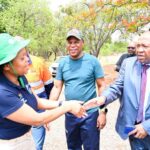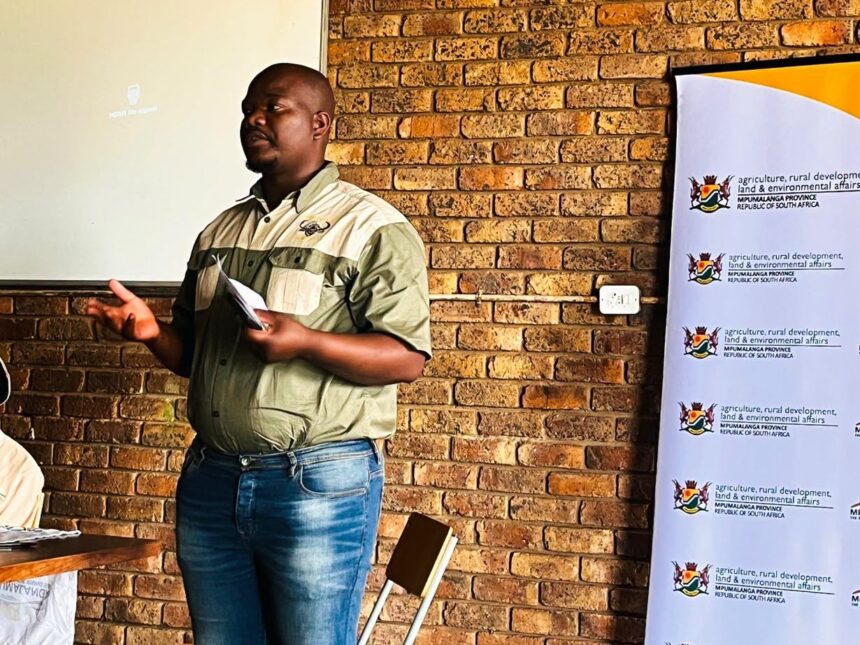
The Mpumalanga Department of Agriculture, Rural Development, Land and Environmental Affairs (DARDLEA) hosted a LandCare Awareness Day at its Kwaggafontein Office in the Thembisile Hani Local Municipality to promote sustainable land management and strengthen environmental awareness among farmers and local communities. The event focused on practical ways to combat soil degradation, protect natural resources and improve the long-term sustainability of agricultural production. Farmers and community members received information on important topics, including veld care, invasive plant management, grazing management, water conservation, conservation agriculture and climate change. The programme also addressed food insecurity and highlighted the need to protect the natural resources that support farming and rural livelihoods. Through presentations and discussions with technical experts, participants had an opportunity to improve their knowledge, ask questions and learn about support available to agricultural producers.
LandCare is an important approach to sustainable agriculture and environmental protection because it encourages people to manage land and natural resources responsibly. Healthy soil, clean water, natural vegetation and well-managed grazing areas are essential for maintaining productive farms and supporting rural communities. When these resources deteriorate, farmers may experience lower crop yields, reduced grazing capacity and increased production challenges. LandCare awareness activities help communities understand how everyday farming decisions can affect the environment over time. By sharing practical knowledge and encouraging cooperation, programmes of this kind can support the responsible use of agricultural land for present and future generations.
Soil degradation was one of the key issues addressed during the LandCare Awareness Day in Kwaggafontein. Soil degradation occurs when the physical, chemical or biological condition of soil declines, reducing its ability to support healthy plant growth. Erosion caused by wind and water can remove valuable topsoil, while poor land management may contribute to declining soil fertility and reduced soil structure. These problems can make it harder for farmers to establish crops, retain moisture and maintain productive agricultural land. Sustainable soil management practices, such as maintaining ground cover, limiting unnecessary soil disturbance and managing runoff, can help protect the soil and reduce the risk of further degradation.
Conservation agriculture provides farmers with practical methods to protect soil health while maintaining agricultural production. Its main principles include minimising soil disturbance, keeping the soil covered and diversifying crops through suitable rotations or other approaches. These practices can help reduce erosion, improve soil structure and support the retention of moisture under appropriate local conditions. Crop residues and cover crops can also protect exposed soil from heavy rainfall and intense sunlight. Farmers need to adapt conservation agriculture techniques to their soil types, available equipment and production systems to achieve the best results.
Veld care was another important topic discussed during the event because natural grazing areas play a major role in supporting livestock farming. Healthy veld provides grazing for animals, protects soil from erosion and supports a range of plant and animal species. However, excessive grazing pressure can reduce vegetation cover and prevent desirable grass species from recovering. When livestock repeatedly graze the same areas without sufficient recovery time, the land may become less productive and more vulnerable to erosion. Proper veld management, including planned grazing periods and suitable resting periods, can help farmers maintain grazing resources and protect the long-term condition of their land.
Grazing management is closely linked to the productivity and financial sustainability of livestock farming. Farmers need to consider the number of animals on their land, the amount of available grazing and the seasonal changes that influence grass growth. Matching livestock numbers to available forage can help prevent overgrazing and reduce pressure on natural vegetation. Rotational grazing and other planned grazing systems may support vegetation recovery when they are designed around local conditions and implemented correctly. The discussions at the Kwaggafontein LandCare Awareness Day highlighted the value of understanding these management practices and using them to protect grazing resources.
The management of invasive plants was also included in the awareness programme. Invasive alien plants can spread rapidly in suitable environments and compete with indigenous vegetation for water, sunlight, nutrients and space. Some species can alter natural ecosystems, reduce grazing availability and place additional pressure on water resources. Effective management requires identifying the relevant species, understanding how they spread and choosing suitable control methods. Depending on the plant and location, management may involve mechanical removal, carefully controlled chemical treatment or other approved approaches. Early identification and consistent follow-up are important because invasive plants can regrow or return from seeds after initial clearing.
Water care formed another central part of the programme because water is essential for crop production, livestock health and rural livelihoods. Farmers depend on reliable water supplies for irrigation, drinking water for animals and other agricultural activities. Poor land management can increase soil erosion and sediment runoff, which may affect the quality of nearby rivers, streams and dams. Protecting water resources involves managing runoff, preventing pollution and maintaining suitable vegetation around sensitive water areas. Efficient water use and responsible management of agricultural activities can help reduce unnecessary losses and protect water resources for other users.
Climate change and its effects on agriculture were also addressed during the LandCare Awareness Day. Changes in rainfall patterns, rising temperatures and more frequent or severe weather events can affect crop growth, livestock production and the availability of grazing. Farmers who depend on rainfall may face particular difficulties when planting seasons become less predictable or dry periods extend for longer than expected. Climate-smart agricultural practices can help reduce some of these risks through improved soil moisture management, suitable crop choices, water conservation and better planning. Although these practices cannot eliminate climate-related challenges, they can help farmers prepare for changing conditions and improve the resilience of their agricultural operations.
The programme also connected environmental conservation with the challenge of food insecurity. Food security depends on the availability of food, people’s ability to access it and the stability of food supplies over time. When soil becomes less productive, water resources decline or grazing areas deteriorate, agricultural households may find it harder to maintain reliable production. Sustainable land management can help protect the natural resources needed to grow crops and raise livestock. Supporting farmers with practical knowledge and appropriate agricultural services is therefore an important part of strengthening rural livelihoods and improving long-term food production.
A key feature of the event was the opportunity for farmers to interact directly with technical experts. Participants engaged with the presentations, asked questions and shared their own experiences of managing land and conserving natural resources. These discussions created opportunities to connect technical information with the practical challenges farmers face in their communities. Farmers can benefit from learning about recommended methods, while technical experts can gain a better understanding of local conditions and the difficulties affecting agricultural production. This exchange of knowledge can help communities identify workable solutions and encourage greater participation in environmental conservation.
The LandCare Awareness Day also provided information about agricultural funding opportunities, including AgriSeed Capital. Access to appropriate funding can help farmers explore opportunities to establish or strengthen agricultural activities, depending on the programme’s eligibility criteria and funding conditions. However, farmers need to understand the specific requirements before applying, including the purpose of the funding, the documents required and any applicable financial obligations. The information shared during the event gave participants an opportunity to learn more about potential support and seek clarification from relevant representatives. Access to reliable information about funding can help farmers make better-informed decisions about their agricultural plans.
Disaster support was another important subject discussed with farmers. Agricultural disasters can result from events such as droughts, floods, severe storms and other conditions that damage crops, livestock or essential farming infrastructure. These events can disrupt production, reduce household income and place pressure on communities that depend on agriculture for their livelihoods. Understanding available disaster support arrangements can help farmers identify the appropriate channels for reporting losses and seeking assistance when eligible. Farmers should keep relevant production records and document losses where possible, while confirming the applicable requirements with the responsible authorities. Timely communication and accurate information can improve the process of assessing agricultural damage and determining what support may be available.
The event demonstrated the importance of bringing together environmental awareness, agricultural support and community participation. Land management challenges rarely occur in isolation, as soil degradation, water shortages, invasive plants and poor grazing practices can affect one another. For example, the loss of vegetation cover can increase erosion, reduce water infiltration and weaken the ability of grazing land to recover. Addressing these challenges requires coordinated action by farmers, communities, agricultural officials and environmental specialists. Awareness programmes can help participants understand these connections and recognise why sustainable land management requires ongoing attention rather than isolated interventions.
The Mpumalanga DARDLEA LandCare Awareness Day at the Kwaggafontein Office highlighted the value of equipping farmers and communities with knowledge that supports sustainable agriculture and natural resource conservation. Through discussions on soil protection, veld care, invasive plant control, grazing management, water conservation, conservation agriculture and climate change, participants gained information relevant to the long-term health of their land. The inclusion of food insecurity, AgriSeed Capital funding opportunities and disaster support also connected environmental management with the practical needs of agricultural households. Continued cooperation between farmers, technical experts and government services will be important in turning awareness into effective action on the ground. By strengthening local knowledge and encouraging responsible land management, initiatives such as this can contribute to healthier ecosystems, more resilient farming communities and improved agricultural sustainability across Mpumalanga.
Join 'Farmers Mag' WhatsApp Channel
Get the latest Farming news and tips delivered straight to your WhatsApp
CLICK HERE TO JOIN