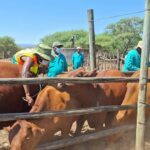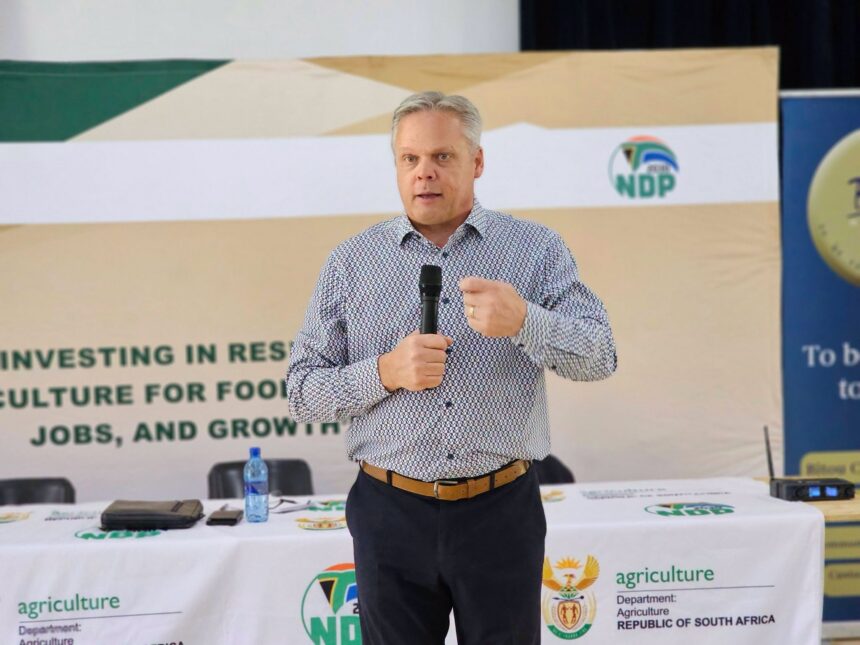
South Africa’s Minister of Agriculture, Willie Aucamp, has urged farmers to register for authorisation to vaccinate their own cattle against foot-and-mouth disease (FMD), as efforts continue to control the disease and protect the country’s livestock sector. The minister made the call during an engagement with farmers and agricultural stakeholders in Plettenberg Bay, Western Cape. His message highlights the importance of farmer participation, responsible vaccination practices and cooperation between livestock owners and agricultural authorities. Foot-and-mouth disease remains a serious concern for cattle producers because outbreaks can disrupt livestock movements, affect agricultural businesses and create significant economic pressure across the farming industry. By encouraging eligible farmers to seek authorisation to vaccinate their cattle, Aucamp is promoting a coordinated approach to disease control that places livestock health and the protection of South Africa’s agricultural economy at the centre of the response.
Foot-and-mouth disease is a highly contagious viral disease that affects cloven-hoofed animals, including cattle, sheep, goats and pigs. The disease can spread rapidly between susceptible animals and may cause fever, blisters in the mouth and on the feet, excessive salivation, lameness and reduced feed intake. In dairy cattle, infection can lead to lower milk production, while affected animals may experience weight loss and reduced productivity. Although the disease is not generally considered a human health threat, its impact on livestock production and agricultural trade can be substantial. Effective prevention, early detection and coordinated control measures are therefore essential to limiting its spread and protecting farming communities.
Minister Aucamp’s appeal for farmers to register for authorisation to vaccinate their own cattle reflects the importance of involving livestock owners in the national response to FMD. Farmers are directly responsible for managing their herds and are often among the first to notice changes in animal health. Their participation can help improve the reach of vaccination efforts when it takes place within the relevant veterinary framework. However, authorisation is an important part of the process because vaccination must follow the requirements established by the responsible agricultural and veterinary authorities. Farmers should confirm the applicable registration procedures, eligibility conditions and vaccination instructions before undertaking any vaccination activities.
Vaccination is an important tool in controlling foot-and-mouth disease, but it must form part of a broader disease management strategy. FMD vaccines are designed to protect against specific virus types or strains, so selecting the appropriate vaccine depends on veterinary guidance and the disease situation. Vaccination programmes also require careful planning, accurate records and suitable handling of vaccines to maintain their effectiveness. Farmers must follow the prescribed vaccination schedule and any instructions concerning repeat doses or follow-up monitoring. Vaccination alone does not replace other essential measures, such as movement controls, biosecurity, surveillance and prompt reporting of suspected cases.
Biosecurity plays a critical role in preventing the introduction and spread of foot-and-mouth disease on farms. The virus can spread through direct contact between infected and susceptible animals and through contaminated equipment, vehicles, clothing and other materials. Farmers can reduce risks by controlling access to livestock areas, cleaning and disinfecting appropriate equipment and avoiding unnecessary contact between herds. Newly introduced animals should be managed according to veterinary guidance and any applicable movement or quarantine requirements. These precautions are especially important when livestock move between farms, auctions, transport facilities and other locations where animals from different sources may come into contact.
Early detection is another essential part of FMD control. Farmers should watch for signs such as unexplained fever, blisters around the mouth or feet, excessive salivation and sudden lameness. Any suspicion of foot-and-mouth disease should be reported promptly to the relevant state veterinarian or animal health authority. Farmers should not move potentially infected animals or attempt to manage a suspected outbreak without official guidance. Rapid reporting allows veterinary officials to investigate the situation and determine what measures are necessary to reduce the risk of further spread. Acting quickly can help protect neighbouring farms and limit the disruption caused by an outbreak.
The minister’s engagement with farmers and agricultural stakeholders in Plettenberg Bay also underlines the importance of communication between government and the livestock industry. Farmers need clear information about vaccination procedures, disease reporting, livestock movement requirements and the responsibilities associated with authorised vaccination. Regular engagement can help address questions and reduce confusion about the measures required to control FMD. It also provides an opportunity for agricultural authorities to understand the challenges farmers face when implementing disease prevention measures. Strong cooperation between government officials, veterinarians, livestock organisations and individual producers can improve the effectiveness of disease control efforts.
Foot-and-mouth disease can have consequences that extend beyond the immediate health of affected animals. Restrictions introduced to contain an outbreak may disrupt livestock transport, sales and access to markets, depending on the circumstances and applicable control measures. Farmers may face additional costs related to animal health management, movement restrictions and changes to normal production activities. Other businesses connected to the livestock industry can also experience disruption when outbreaks affect the movement and sale of animals or animal products. Protecting livestock health is therefore important not only for individual farms but also for rural employment, agricultural supply chains and the wider economy.
Authorising farmers to vaccinate their own cattle may help support vaccination delivery where the relevant programme permits this approach, but it requires clear procedures and responsible implementation. Farmers need to understand which animals should be vaccinated, which products are approved for use and how vaccination records must be maintained. They should also ensure that vaccine storage, transport and administration meet the applicable requirements. Any adverse reactions, unexpected animal health problems or questions about the vaccination process should be discussed with a qualified veterinary professional or the responsible authority. Following official guidance helps maintain confidence in the programme and supports accurate monitoring of vaccination coverage.
Livestock identification and recordkeeping can also support effective disease management. Accurate records help farmers track vaccinations, identify animals and demonstrate compliance with applicable animal health requirements. These records can be particularly valuable when veterinary officials need to assess herd health, investigate suspected infections or monitor the progress of a vaccination campaign. Farmers should keep information organised and make it available to authorised officials when required. Good recordkeeping supports responsible herd management and helps strengthen communication between livestock owners and animal health services.
The success of South Africa’s efforts to control foot-and-mouth disease depends on sustained cooperation and participation across the agricultural sector. Farmers can contribute by registering for authorisation where required, following vaccination instructions, maintaining strong biosecurity practices and reporting suspected infections without delay. Agricultural authorities, in turn, play an important role in providing guidance, coordinating vaccination efforts and communicating relevant disease control requirements. No single measure can eliminate every risk, but combining vaccination with surveillance, movement controls and responsible farm management can strengthen the overall response. Consistent implementation is essential to protecting livestock and reducing the likelihood of further outbreaks.
Minister Willie Aucamp’s call for farmers to register for authorisation to vaccinate their own cattle against foot-and-mouth disease highlights the need for a coordinated national effort to protect South Africa’s livestock sector. His message during the Plettenberg Bay engagement encourages farmers to take an active role in vaccination while working within the requirements set by the responsible authorities. Farmers should treat vaccination as part of a wider approach that includes biosecurity, early disease reporting, accurate records and compliance with livestock movement rules. Protecting cattle from FMD can help reduce production losses, limit disruption to agricultural markets and support the livelihoods of livestock producers. Through responsible farmer participation and close cooperation with veterinary authorities, South Africa can strengthen its efforts to manage foot-and-mouth disease and safeguard the future of its livestock industry.
Join 'Farmers Mag' WhatsApp Channel
Get the latest Farming news and tips delivered straight to your WhatsApp
CLICK HERE TO JOIN