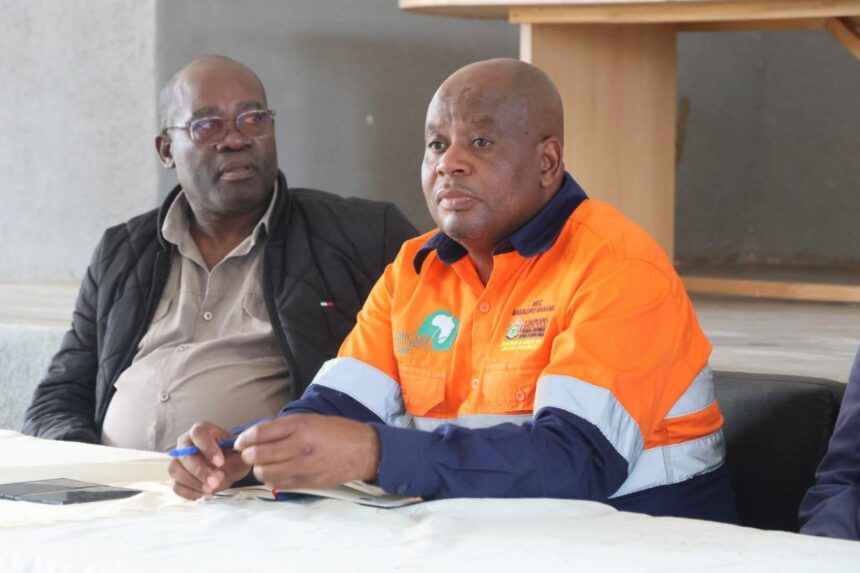
The Limpopo MEC for Agriculture and Rural Development, Mr Basikop Makamu, visited Mankotsana Village following the sudden death of approximately 38 cattle at a water trough, prompting urgent concern among affected farmers. The MEC was accompanied by Sekhukhune District Director Mr Harry Maboa and Acting Chief Director Mr Cedric Mojapelo as officials responded to the incident and engaged with the farming community. The emergency visit took place after the MEC had conducted an infrastructure oversight tour at Tompi Seleka College of Agriculture. The sudden loss of livestock has raised questions about the safety of the water source and the circumstances surrounding the deaths. While the exact cause has not yet been established, veterinary investigations are expected to help determine what happened and inform the appropriate response.
During the visit, State Veterinarian Dr Mogano Matsane indicated that water intoxication had not been ruled out as a possible cause of death. However, this remains an unconfirmed possibility, and further investigation is needed before the deaths can be attributed to a specific cause. Mr Pit Wagner has been dispatched to establish the exact circumstances surrounding the incident. Determining the cause of sudden livestock deaths requires careful assessment of the available evidence and the conditions in which the animals were found. Until the investigation produces clearer findings, farmers and the wider community will need to await confirmation from the relevant veterinary authorities.
The incident highlights the importance of safe drinking water in livestock production and the need to investigate unusual animal deaths promptly. Cattle depend on reliable access to clean water to maintain normal body functions, support digestion and regulate body temperature. Changes in water quality, contamination or other environmental factors can create animal health risks, although the circumstances of this particular incident have not yet been confirmed. Sudden deaths involving several animals at a shared water source warrant urgent veterinary attention because a common exposure may need to be considered. A thorough investigation can help establish whether the water trough, the surrounding environment or another factor contributed to the losses.
Water intoxication is one possible condition that can affect livestock under certain circumstances, but its involvement in the Mankotsana incident has not been established. The term generally refers to a harmful excess of water in the body that disrupts the balance of electrolytes, particularly sodium. The condition can occur when animals consume excessive amounts of water under particular circumstances, but it should not be assumed to be the explanation for every sudden livestock death near a water source. Other possible causes of sudden cattle deaths include toxic substances, contaminated water, certain diseases and environmental hazards. Veterinary assessment and appropriate testing are therefore essential to distinguish between possible explanations and identify the actual cause.
Following the incident, MEC Makamu met with affected farmers at Tau-Mankotsana Community Hall in the Fetakgomo-Tubatse Local Municipality. The meeting took place in Ward 35, in the Apel village area, with support from the Tau-Mankotsana Traditional Authority under Kgoshi Marumo’a Kanyane. The engagement provided an opportunity for the provincial agriculture leadership to meet directly with the farmers affected by the livestock deaths. Such engagement is important when agricultural emergencies threaten farmers’ livelihoods and create uncertainty about the safety of essential resources. Communication between government officials, traditional leadership and farming communities can help ensure that concerns are heard and relevant information is shared as investigations continue.
For livestock farmers, the sudden death of cattle can have serious financial and practical consequences. Cattle may represent a substantial investment, serving as a source of income, breeding stock, food and household security. Losing several animals at once can affect a farmer’s production plans and reduce the value of livestock assets accumulated over many years. The impact may be especially difficult when the cause remains unknown and farmers are uncertain whether other animals could face similar risks. Establishing the source of the problem is therefore important not only for understanding the incident but also for helping farmers make informed decisions about protecting their remaining livestock.
The incident also draws attention to the importance of routine livestock health monitoring and water management. Farmers should remain alert to unusual behaviour, weakness, difficulty standing or other signs of illness among their animals, particularly when several cattle share the same water source. If further sudden illness or deaths occur, prompt contact with a state veterinarian or the relevant animal health officials is important. Farmers should avoid assuming that a suspected cause has been confirmed before receiving veterinary guidance. Where water contamination is suspected, the affected water source should be reported for assessment, and farmers should seek professional advice on safe alternative water supplies while avoiding actions that could expose more animals to potential hazards.
The response by MEC Makamu and the accompanying officials underscores the role of provincial agricultural authorities in responding to livestock emergencies. The Department of Agriculture and Rural Development provides an important link between farmers, veterinary services and the wider agricultural support system. When an incident threatens animal health, veterinary investigation can help identify potential hazards and guide decisions on prevention and control. Engagement with affected farmers also helps officials understand the immediate concerns of the community and communicate the need for appropriate precautions. The outcome of the investigation in Mankotsana will be important in determining what measures may be required to reduce the risk of similar incidents.
The support of the Tau-Mankotsana Traditional Authority under Kgoshi Marumo’a Kanyane also reflects the importance of cooperation between government institutions and traditional leadership during community emergencies. Traditional authorities often play a key role in facilitating communication and bringing local concerns to the attention of relevant officials. Working together can help affected farmers access information and understand the steps being taken to investigate an incident. This cooperation is particularly valuable in rural communities where livestock contributes to household livelihoods and local economic activity. Continued engagement will be important as the investigation seeks to establish the cause of the cattle deaths and clarify any further action required.
The sudden death of approximately 38 cattle at a water trough in Mankotsana Village remains a serious concern for the affected farming community in Limpopo. MEC Basikop Makamu’s emergency visit, accompanied by district and provincial officials, demonstrated the urgency of addressing the incident and engaging with the farmers concerned. Although water intoxication has been identified as one possible explanation, the cause of death remains unconfirmed while the investigation proceeds. The findings will be essential for guiding an appropriate response and helping farmers understand any risks to their remaining livestock. Protecting animal health, investigating unusual livestock deaths and maintaining access to safe drinking water remain important priorities for safeguarding farmers’ livelihoods and supporting agricultural development across Limpopo.
Join 'Farmers Mag' WhatsApp Channel
Get the latest Farming news and tips delivered straight to your WhatsApp
CLICK HERE TO JOIN