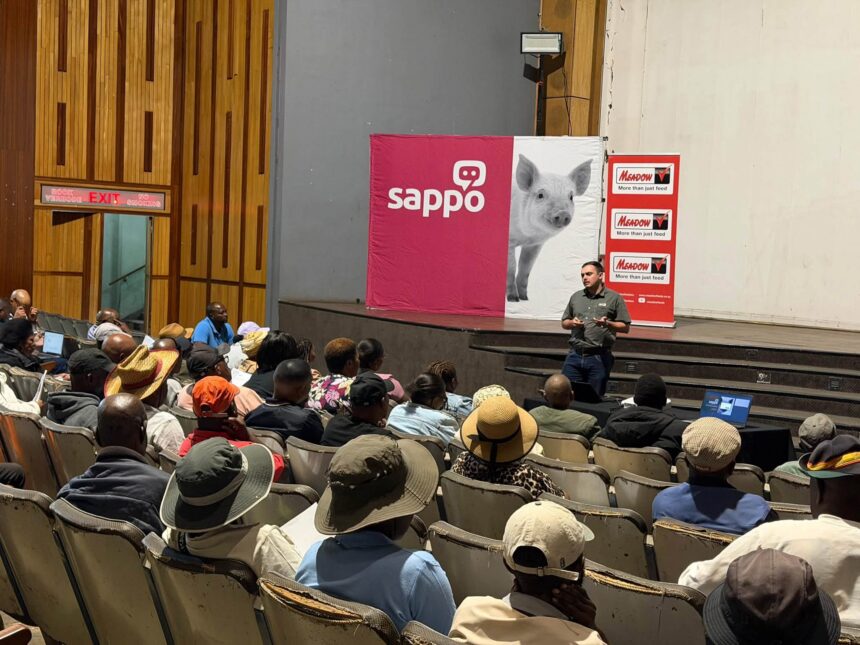
The Piggery Management Farmers’ Day brought together farmers, industry experts and key stakeholders to explore practical ways to improve pig production, strengthen farm management and promote sustainable pig farming in South Africa. The event focused on the technical aspects of piggery management, highlighting the importance of balanced nutrition, responsible water use and effective pig housing practices in maintaining healthy herds and improving productivity. Through expert presentations and discussions, participants gained valuable insights into the factors that influence pig health, growth and overall farm performance. The initiative also created an opportunity for farmers to engage with industry professionals, exchange experiences and explore practical solutions to common challenges in pig production. By placing knowledge-sharing and collaboration at the centre of the programme, the event reinforced the importance of informed decision-making in building efficient and sustainable pig farming enterprises.
One of the key topics discussed at the event was unlocking nutritionally balanced feed through U-Mix. Nutrition plays a central role in successful pig production because pigs require appropriate levels of energy, protein, amino acids, vitamins and minerals to support growth, reproduction and general health. Their nutritional requirements also change according to their stage of development, from young piglets to growing and finishing pigs, as well as breeding animals. Providing the right balance of nutrients can help farmers improve feed efficiency, support consistent growth and reduce unnecessary feed costs. The discussion around U-Mix highlighted the importance of understanding feed formulation and making informed nutritional choices that match the needs of the herd. For farmers seeking to improve piggery productivity, effective feed management remains an essential part of maintaining animal health and achieving better production outcomes.
Water management was another important focus, with the Department of Water and Sanitation presenting on water licensing for piggeries. Reliable access to clean water is essential for pig health, feed intake, digestion and temperature regulation, making water availability a critical consideration in daily farm operations. However, pig farming also requires responsible water management to ensure that water resources are used lawfully and sustainably. Understanding the applicable water-use requirements can help farmers identify their obligations, plan their operations and reduce the risk of non-compliance. The discussion provided an opportunity to highlight the relationship between pig production, water resource management and environmental responsibility. For farmers planning new facilities or expanding existing piggeries, understanding the relevant licensing requirements and obtaining appropriate guidance can support better long-term planning and more responsible farm management.
The programme also explored the question of whether pigs should be mixed, with Meadow Feeds presenting on the topic, “To Mix or Not to Mix.” Mixing pigs from different groups can influence animal behaviour, health and performance, making it an important consideration in herd management. When unfamiliar pigs are introduced to one another, they may fight to establish social relationships, which can cause stress, injuries and disruptions to feeding. These challenges may affect growth rates and increase the need for closer monitoring, particularly when young or vulnerable animals are involved. Farmers therefore need to consider factors such as age, size, health status, housing conditions and the existing social structure of their pigs when deciding how to manage groups. Careful planning, suitable pen design and consistent handling practices can help reduce unnecessary stress and support better welfare outcomes. The discussion encouraged farmers to consider the practical implications of mixing decisions and their potential effects on overall piggery performance.
Creating an optimal environment for healthy pigs was a central theme throughout the Farmers’ Day. Successful pig production depends on more than feeding animals correctly, as housing, ventilation, temperature control, hygiene and stocking density also influence their health and development. Poor ventilation can contribute to heat stress and the accumulation of harmful gases, while inadequate hygiene can increase the risk of disease spreading through a herd. Appropriate housing design allows farmers to manage airflow, provide suitable resting areas and maintain cleaner living conditions. Regular observation of pig behaviour, appetite and physical condition can also help farmers identify potential problems early and respond before they affect a larger part of the herd. By combining good environmental management with balanced nutrition and sound animal husbandry, pig farmers can create conditions that support animal welfare, consistent growth and more reliable production results.
The event also highlighted the value of collaboration across the pig farming industry, bringing together organisations with different areas of expertise. Stakeholders in attendance included the South African Pork Producers’ Organisation (SAPPO), De Heus, Meadow Feeds, U-Mix, DIAG, Big Dutchman, DanBred, PIC, P3NC and the Department of Water and Sanitation. Their participation reflected the range of technical knowledge and services required to support modern pig production, from animal nutrition and genetics to housing systems, health management and regulatory guidance. Engagement between farmers, suppliers, industry bodies and government representatives can help bridge the gap between technical information and the practical realities of running a piggery. It also gives farmers an opportunity to raise questions, compare experiences and better understand the options available to improve their operations. Such partnerships can contribute to stronger industry relationships and encourage the adoption of farming practices suited to local conditions and production goals.
Knowledge-sharing was a particularly important outcome of the Piggery Management Farmers’ Day because effective farm management requires farmers to make informed decisions across several interconnected areas. Feed costs, animal health, water availability and housing efficiency all influence the financial performance of a piggery. A weakness in one area can affect the others, making it important to assess farm operations as a complete system rather than treating individual challenges in isolation. For example, a well-formulated feeding programme may deliver limited benefits if pigs experience heat stress, have poor access to water or face persistent health problems. Similarly, investments in housing and equipment need to be supported by appropriate management practices to deliver their intended value. By encouraging farmers to engage with technical experts and apply relevant knowledge to their own circumstances, the event supported a practical approach to improving efficiency and strengthening farm performance.
Sustainability was another important consideration underlying the discussions. Sustainable pig farming involves managing resources responsibly while maintaining animal welfare, controlling operating costs and supporting long-term business viability. Farmers can work towards these goals by monitoring feed conversion, reducing avoidable feed waste, maintaining reliable water systems and implementing effective manure management practices. Preventive herd health measures, appropriate biosecurity and careful record-keeping can also help reduce production losses and improve management decisions. Because farms differ in size, infrastructure and available resources, the most suitable improvements will depend on each operation’s specific circumstances. Access to technical guidance and industry support can help farmers identify practical changes that deliver meaningful benefits without overlooking financial or environmental considerations.
The Piggery Management Farmers’ Day demonstrated the importance of bringing farmers, technical specialists and industry stakeholders together to address the practical demands of modern pig production. Discussions on U-Mix and balanced feed, water licensing for piggeries and the management of mixing pigs highlighted key decisions that can influence animal health, productivity and farm sustainability. The event also reinforced the need for suitable housing, effective hygiene, responsible resource use and ongoing engagement with technical experts. By creating a platform for exchanging knowledge and exploring practical solutions, the initiative supports farmers in developing more informed and effective management strategies. Continued collaboration among organisations such as SAPPO, feed suppliers, equipment providers and the Department of Water and Sanitation can help strengthen the support available to pig producers. Ultimately, improving piggery management requires consistent attention to animal welfare, nutrition, environmental conditions and responsible business practices, all of which contribute to a more productive, efficient and sustainable South African pig farming industry.
Join 'Farmers Mag' WhatsApp Channel
Get the latest Farming news and tips delivered straight to your WhatsApp
CLICK HERE TO JOIN