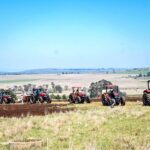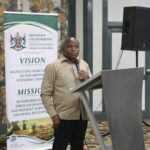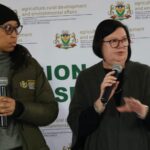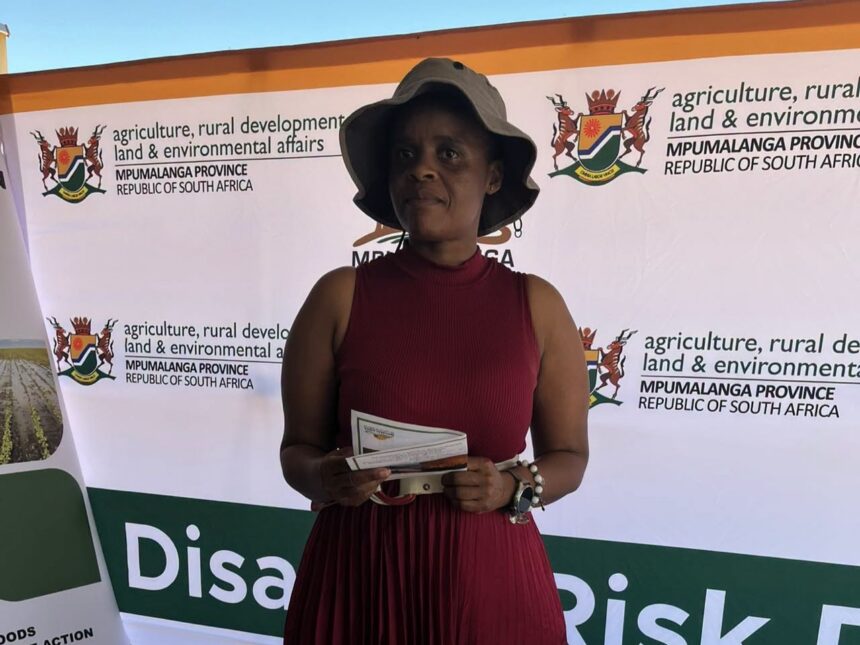
Farmers near Hazyview in Mpumalanga have received important information on veld fire prevention, fire safety and responsible land management during an Integrated Veld Fire Management awareness campaign held at the CB Melody Pack House. The campaign was organised by the Disaster Management Unit in partnership with stakeholders, including Working on Fire (WoF) and the South African Weather Service. The initiative brought local farmers together for an interactive information session focused on understanding the risks associated with veld fires and learning practical ways to prevent and manage them. Veld fires can threaten agricultural land, damage infrastructure, destroy grazing areas and put people, livestock and wildlife at risk. By improving awareness and encouraging cooperation among farmers and relevant stakeholders, the campaign aimed to strengthen fire preparedness and promote safer farming practices across the region.
Veld fires are a significant concern for agricultural communities, particularly in areas where farms, grazing land and natural vegetation are exposed to dry conditions. These fires can spread quickly when vegetation becomes dry and strong winds carry flames across open land. A fire that begins on one property can move into neighbouring farms, plantations or nearby settlements, causing damage that may take considerable time and money to repair. Farmers may lose grazing resources, crops, fencing, farm buildings and essential equipment when fires spread beyond control. Understanding how veld fires start and how they behave is therefore an important part of protecting agricultural operations and rural livelihoods.
The Integrated Veld Fire Management awareness campaign provided farmers with an opportunity to learn about fire prevention techniques and the importance of general fire safety. Interactive information sessions can help participants understand the risks present on their farms and identify practical measures to reduce those risks. These measures may include managing dry vegetation around buildings, maintaining suitable firebreaks where appropriate and ensuring that machinery and other equipment do not create unnecessary ignition hazards. Farmers can also reduce risks by handling open flames responsibly and avoiding activities that could start fires during dangerous weather conditions. Applying these precautions consistently can help limit the likelihood of accidental fires and improve preparedness when an emergency occurs.
Working on Fire played a role in the stakeholder partnership supporting the campaign. The organisation is associated with fire management activities in South Africa, including wildfire suppression and the training and deployment of firefighting teams. Its participation helped bring fire management knowledge into a session focused on agricultural safety and veld fire awareness. Farmers benefit from understanding the importance of early detection, safe responses and coordination with trained emergency personnel. Awareness initiatives can also encourage communities to report fires promptly rather than attempting to tackle dangerous blazes without the necessary equipment, training or support.
The involvement of the South African Weather Service highlighted the importance of weather information in veld fire prevention and preparedness. Weather conditions influence how easily vegetation ignites and how rapidly a fire can spread. High temperatures, low humidity, dry vegetation and strong winds can combine to create conditions that increase fire danger. Farmers who pay attention to weather forecasts and fire danger information can make better decisions about activities that might create sparks or open flames. Using weather information as part of daily farm planning can help agricultural communities prepare for hazardous conditions and take precautions before a fire starts.
Fire prevention is particularly important for farmers because agricultural land often contains valuable resources that take time to restore after a fire. Grazing areas can be damaged, leaving livestock with fewer available feeding areas and forcing farmers to seek alternative sources of fodder. Fires can also destroy crops, damage irrigation systems and affect water infrastructure, fencing and storage facilities. In some cases, smoke and flames may endanger workers and nearby communities, while the loss of natural vegetation can contribute to soil erosion after the fire. Preventing fires before they occur is therefore an essential part of protecting farm productivity, environmental resources and community safety.
Proper firebreak management is one practical component of integrated veld fire management. A firebreak is a strip of land managed to reduce or interrupt the spread of fire by limiting the available fuel, although its effectiveness depends on its design, condition and the circumstances of a particular fire. Farmers need to plan and maintain firebreaks in line with applicable requirements and the conditions of their properties. Coordination with neighbouring landowners can be important because fire does not stop at property boundaries. Well-planned cooperation can help reduce gaps in fire preparedness and improve the ability of neighbouring farms to respond to a shared threat.
An effective veld fire management plan should also include clear procedures for responding to emergencies. Farmers and farm workers need to know how to report a fire, communicate its location and alert the relevant emergency services. They should understand when it is safe to move away from a fire and why they should not attempt to fight a rapidly spreading blaze without appropriate training and equipment. Farms can benefit from identifying evacuation routes, keeping emergency contact details accessible and ensuring that workers understand their responsibilities during a fire emergency. These preparations can help reduce confusion and protect lives when conditions become dangerous.
The campaign also highlighted the value of collaboration between government departments, specialist organisations and local farming communities. Veld fire management involves more than responding after a fire has started, as effective prevention requires planning, communication and shared responsibility. Government departments can help raise awareness and communicate relevant safety information, while specialist organisations contribute knowledge of fire behaviour and suppression practices. Farmers play an equally important role by applying prevention measures on their properties and communicating with neighbours when fire risks increase. Bringing these groups together creates opportunities to share information and encourage a coordinated approach to reducing fire-related risks.
For agricultural communities near Hazyview, continued awareness and preparedness can support the protection of farms, natural vegetation and rural livelihoods. However, a single awareness session cannot eliminate veld fire risks, particularly when weather and environmental conditions change. Farmers need to apply what they learn, review their fire prevention measures regularly and remain alert during periods of elevated fire danger. Ongoing communication with relevant authorities and neighbouring landowners can also help communities respond more effectively to emerging threats. Consistent prevention, early reporting and responsible fire management remain essential to reducing the impact of veld fires.
The Integrated Veld Fire Management awareness campaign at the CB Melody Pack House near Hazyview reflects the Mpumalanga Department of Agriculture, Rural Development, Land and Environmental Affairs’ focus on promoting fire safety and agricultural awareness through stakeholder cooperation. By partnering with Working on Fire and the South African Weather Service, the Disaster Management Unit helped provide farmers with an opportunity to learn about veld fire prevention, weather-related risks and practical safety measures. The knowledge shared during the campaign can support better preparation and encourage farmers to take a more active role in protecting their properties and surrounding communities. Continued awareness, responsible land management and cooperation among stakeholders will remain important in reducing veld fire damage. Through these efforts, farmers can help safeguard agricultural production, protect natural resources and strengthen the resilience of rural communities across Mpumalanga.
Join 'Farmers Mag' WhatsApp Channel
Get the latest Farming news and tips delivered straight to your WhatsApp
CLICK HERE TO JOIN