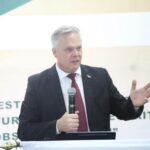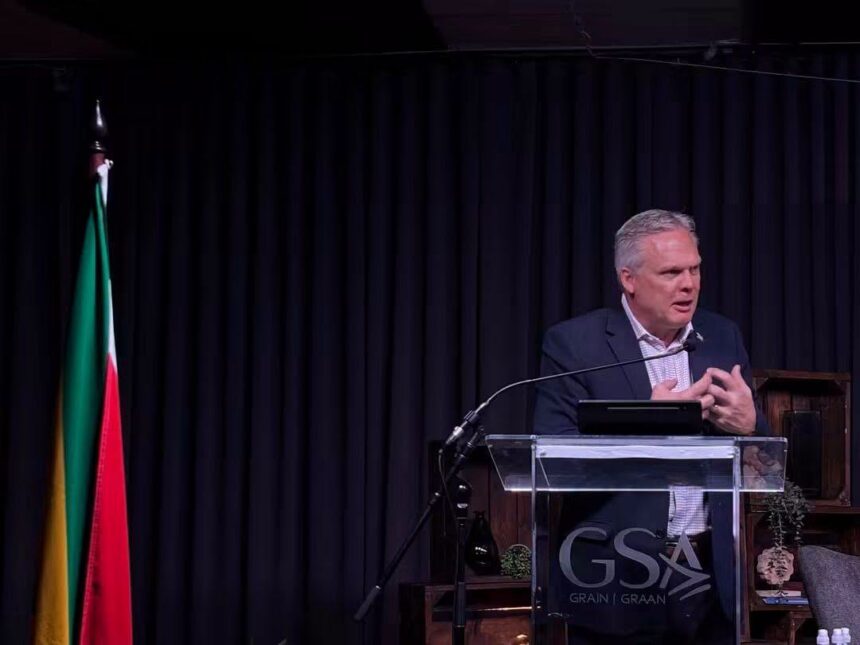
South Africa’s agricultural future depends on building an industry where every farmer has the opportunity to grow, succeed and contribute to the country’s economy. A strong agricultural sector needs more than productive farms and reliable markets. It also requires inclusive growth, meaningful transformation and partnerships that help farmers overcome challenges and expand their businesses. These priorities were highlighted by Minister Willie Aucamp at the Phahama Grain Phakama Ukukhula Grain and Livestock Conference held at NAMPO Park in Bothaville. Addressing producers, industry partners and other agricultural stakeholders, the Minister emphasised the importance of creating opportunities across the agricultural value chain. His message placed farmers at the centre of efforts to build a resilient, competitive and sustainable agricultural sector in South Africa.
As he marks his first 100 days in office, Minister Aucamp commended emerging and new-era grain producers for their achievements and contributions to the agricultural industry. These farmers play an important role in maintaining food production, supporting rural economies and strengthening South Africa’s economic resilience. Their progress also demonstrates the value of creating an environment where new entrants can develop their skills, access opportunities and build sustainable farming businesses. Recognising their achievements helps highlight the contribution of farmers who are working to grow their operations and participate more fully in the agricultural economy. Continued support for emerging producers can help strengthen the industry while creating opportunities for future generations of farmers.
Inclusivity is essential to the long-term success of South African agriculture because the industry needs the participation and contribution of farmers from different backgrounds and at different stages of development. Established commercial farmers bring experience, production capacity and industry knowledge, while emerging farmers contribute fresh ideas and help broaden participation in agricultural production. However, farmers may face different challenges depending on their resources, location, access to finance and connections to markets. Creating a more inclusive sector means recognising these differences and ensuring that opportunities are accessible to farmers who have the potential to grow. It also means building an environment where progress is measured not only by overall production but by the ability of more farmers to participate and succeed.
Transformation remains an important part of building a fairer and more representative agricultural industry. For transformation to deliver lasting results, farmers need opportunities that allow them to establish viable businesses, improve productivity and participate in the wider agricultural value chain. Access to relevant training, suitable farming resources, finance and reliable markets can help producers strengthen their operations. Partnerships between government, agricultural organisations and private businesses can also support efforts to address barriers that prevent farmers from reaching their full potential. While each farming business has its own needs, a shared commitment to practical support can help create better conditions for agricultural growth. Meaningful transformation should therefore contribute to stronger farming businesses, greater participation and a more resilient national food system.
Public-private partnerships are another important part of South Africa’s agricultural development. Government, producers, industry organisations and private businesses each have a role to play in supporting production and creating opportunities for farmers. Cooperation can help align agricultural priorities, share knowledge and improve the connection between farming operations and markets. It can also encourage stakeholders to work towards common goals instead of addressing challenges in isolation. Strong partnerships are particularly important in an industry where farmers must respond to changing production conditions, business costs and market requirements. By combining their experience and resources, stakeholders can help create a stronger foundation for agricultural growth.
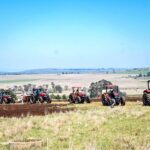
The Phahama Grain Phakama Ukukhula Grain and Livestock Conference at NAMPO Park in Bothaville provided a platform for agricultural producers and industry partners to engage with these priorities. Conferences of this nature bring stakeholders together to discuss the opportunities and challenges shaping grain and livestock production. They also create space for conversations about transformation, business development and cooperation across the agricultural sector. For farmers, engagement with industry partners can help strengthen professional networks and improve awareness of developments affecting their businesses. For the wider industry, these discussions can encourage a shared understanding of what is needed to maintain productivity and expand participation. The conference’s focus on inclusive growth reflects the importance of bringing different agricultural stakeholders into conversations about the country’s future.
Grain and livestock farming remain important components of South Africa’s agricultural economy. Grain production supports the food supply and provides inputs for several other sectors, while livestock farming contributes to food production and economic activity in rural communities. Both areas require farmers to manage resources carefully, maintain productive operations and respond to changing conditions. Supporting producers in these sectors can contribute to stronger agricultural performance and more dependable food production. At the same time, the future of farming depends on whether producers can operate sustainable businesses and access opportunities that match their needs. An agricultural sector that supports both established and emerging farmers is better positioned to build resilience and contribute to national development.
The success of South African agriculture also depends on recognising that farmers need more than encouragement to grow. They need practical opportunities to improve their operations, develop their capabilities and build relationships that support long-term business success. Industry stakeholders can contribute by sharing expertise, strengthening collaboration and identifying ways to make agricultural opportunities more accessible. Government and private-sector cooperation can help connect these efforts and support a more coordinated approach to sector development. Although farmers face different circumstances, a commitment to inclusivity can help ensure that agricultural progress creates benefits beyond a limited group of producers. This approach can strengthen rural livelihoods while supporting food security and economic growth.
Minister Willie Aucamp’s message at the Phahama Grain Phakama Ukukhula Grain and Livestock Conference highlights a central priority for the country’s agricultural future: growth must create opportunities for farmers across the industry. Commending emerging and new-era grain producers recognises the contribution they already make while drawing attention to the importance of continued development. Inclusivity, transformation and strong public-private partnerships can help build an agricultural sector that is more resilient and better equipped to meet future challenges. Achieving this goal requires cooperation among government, farmers and industry partners, alongside practical efforts that support sustainable farming businesses. Ultimately, South Africa’s agricultural future will be stronger when every farmer has a fair opportunity to contribute, grow and succeed.
Join 'Farmers Mag' WhatsApp Channel
Get the latest Farming news and tips delivered straight to your WhatsApp
CLICK HERE TO JOIN