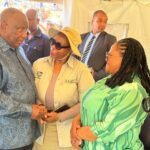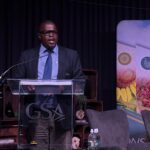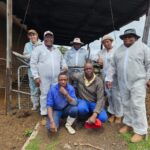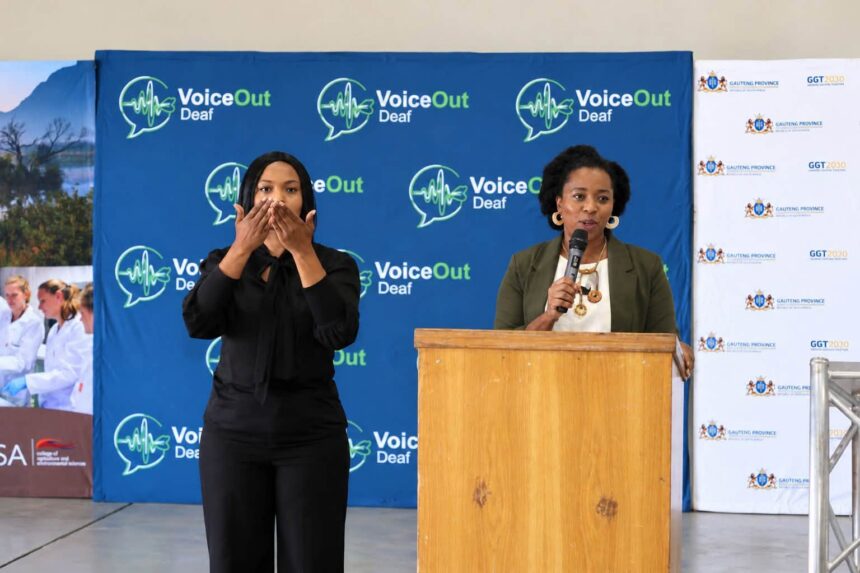
Gauteng is continuing to promote an agricultural sector where everyone has an opportunity to participate, contribute and build a sustainable livelihood. Today, 8 October 2026, Randwest Agripark in Rand West City Local Municipality is hosting a programme focused on inclusive agriculture and the empowerment of persons with disabilities. The initiative places food security, sustainable livelihoods and equal participation at the centre of agricultural development. It also creates a platform for Deaf and disabled farmers to share their experiences and discuss the practical challenges they face in the sector. By bringing farmers, agricultural stakeholders and communities together, the programme highlights the importance of ensuring that disability does not prevent people from accessing opportunities in agriculture.
Inclusive agriculture is important because farming offers opportunities across many different areas of the agricultural value chain. People can participate in primary production, processing, marketing, farm management, agricultural services and other related activities. However, access to land, equipment, training, markets and appropriate support can affect whether a farmer is able to develop a viable enterprise. Persons with disabilities may face additional barriers when agricultural infrastructure and equipment are not designed with accessibility in mind. Addressing these barriers can help create a more inclusive farming environment while allowing more people to contribute to food production and rural economic development.
The programme at Randwest Agripark is designed to focus on practical issues affecting farmers with disabilities. Discussions will cover accessible farming, adaptive agricultural equipment, disability inclusion, farmer commercialisation and networking. These areas are closely connected because farmers need both physical access to agricultural resources and opportunities to develop sustainable businesses. Adaptive equipment can help farmers carry out specific farming tasks more effectively, while accessible facilities can make agricultural workplaces easier to use. Stronger networks can also help farmers share knowledge, identify opportunities and connect with organisations that can support their agricultural ambitions.
Adaptive agricultural equipment is particularly relevant to inclusive farming because conventional tools and machinery may not always meet the needs of every farmer. Equipment that is adapted to different physical requirements can improve a farmer’s ability to participate in agricultural activities. Accessibility can also involve the design of farm buildings, production areas, training facilities and other agricultural infrastructure. The needs of individual farmers can differ, which makes engagement with persons with disabilities an important part of developing appropriate solutions. Listening to farmers themselves can help ensure that support focuses on practical challenges rather than assumptions about what they need.
Farmer commercialisation will also form part of the programme, reflecting the importance of helping agricultural producers move beyond subsistence and informal production where possible. Commercial farming requires access to markets, reliable production, business knowledge and the ability to meet customer requirements. Farmers with disabilities should have the same opportunity to develop enterprises that can participate in agricultural markets. Supporting commercialisation can create opportunities for income generation while contributing to broader food security goals. It also reinforces the idea that disability inclusion in agriculture should involve economic participation and business development, not only social support.
Food security is another important part of the discussion around inclusive agriculture. Expanding participation in food production can help communities strengthen their ability to produce and access food. Small and emerging farmers can contribute to local food systems when they have suitable resources, skills and market opportunities. Persons with disabilities are part of these communities and should have meaningful opportunities to participate in agricultural production. Creating more inclusive farming systems can therefore support both social inclusion and agricultural development.
The programme will also provide an opportunity for Deaf and disabled farmers to share their lived experiences. These experiences are valuable because farmers who work directly in the sector can identify challenges that may not be obvious to policymakers, service providers or other stakeholders. Their experiences can help shape better approaches to training, communication, equipment, infrastructure and market access. Giving farmers a platform to speak about their work also helps demonstrate that persons with disabilities can play active roles in agriculture. Their participation can encourage other people with disabilities to consider farming and related agricultural careers.
Networking is another important element of the event because agricultural development often depends on connections between farmers, government institutions, businesses, training organisations and other stakeholders. Strong networks can help farmers learn about available programmes and opportunities while providing access to knowledge and potential partnerships. For farmers with disabilities, these connections can be particularly useful when navigating barriers to resources and services. Networking can also help identify successful practices that can be shared across communities. Building relationships therefore forms an important part of developing a more accessible and commercially sustainable agricultural sector.
The focus on disability inclusion also broadens the way agricultural development can be understood. An inclusive agricultural sector should consider the different circumstances of the people who participate in farming and related activities. This includes creating opportunities for people to access training, equipment, markets and support without unnecessary barriers. Inclusion does not mean treating every farmer in exactly the same way, because different farmers may require different forms of assistance to participate effectively. It means creating systems that recognise those differences while maintaining equal opportunities for meaningful participation.
The event at Randwest Agripark also reflects the connection between agricultural development and sustainable livelihoods. Farming can provide income and employment opportunities, but farmers need the right conditions to turn agricultural activity into sustainable enterprises. Access to appropriate technology, skills, markets and support can influence the ability of farmers to grow their businesses. For persons with disabilities, removing accessibility barriers can be an important part of creating those conditions. Sustainable livelihoods depend on more than production alone, which makes the broader discussions around commercialisation and networking especially relevant.
Gauteng’s focus on inclusive agriculture sends an important message about who should be able to participate in the agricultural economy. Persons with disabilities should not be viewed only as beneficiaries of agricultural programmes but also as farmers, entrepreneurs, producers and contributors to the sector. Their knowledge and experiences can strengthen agricultural programmes when they are included in planning and decision-making. Creating opportunities for participation can also help communities recognise the abilities and potential of people with disabilities. This approach can support a more diverse and resilient agricultural sector.
The programme at Randwest Agripark provides a space for these issues to be discussed while bringing attention to practical solutions. Accessible farming, adaptive equipment, farmer commercialisation and disability inclusion are not separate concerns. They are connected parts of the effort to ensure that farmers with disabilities can participate meaningfully in agriculture. The involvement of Deaf and disabled farmers also ensures that lived experiences remain part of the conversation. Continued engagement will be important in turning discussions about inclusion into practical opportunities for farmers and agricultural entrepreneurs.
Gauteng’s commitment to inclusive agriculture is ultimately about ensuring that opportunities in the sector are available to a wider range of people. The programme taking place at Randwest Agripark on 8 October 2026 places persons with disabilities at the centre of conversations about farming, food security and sustainable livelihoods. By focusing on accessible agriculture, adaptive equipment, commercialisation, networking and lived experiences, the initiative addresses several practical areas that can influence participation. A stronger agricultural sector requires the skills, ideas and contribution of as many people as possible. Building an agricultural sector that leaves no one behind can help create greater opportunities for farmers with disabilities while strengthening food security and sustainable agricultural development in Gauteng.
Join 'Farmers Mag' WhatsApp Channel
Get the latest Farming news and tips delivered straight to your WhatsApp
CLICK HERE TO JOIN