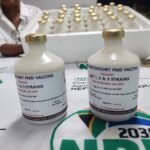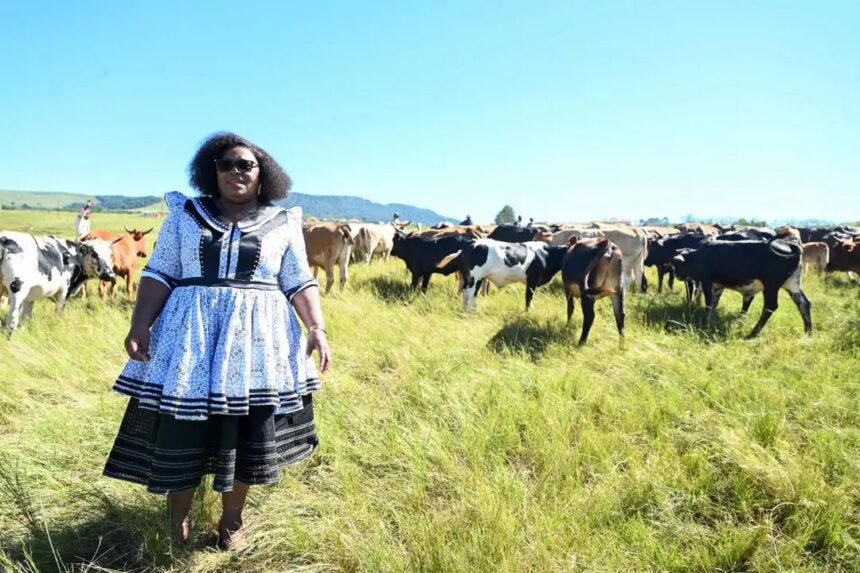
The KwaZulu-Natal Department of Agriculture and Rural Development has reached another important milestone in its fight against foot-and-mouth disease, successfully completing vaccinations in the eThekwini Municipality. This achievement marks eThekwini as the sixth district to complete the province-wide vaccination campaign, highlighting the government’s commitment to protecting livestock and safeguarding the agricultural sector. The campaign forms part of a broader veterinary intervention aimed at preventing the spread of one of the most significant animal diseases affecting cattle and other cloven-hoofed animals. Through coordinated efforts involving veterinary teams, local communities, and livestock owners, the province continues to strengthen its animal health systems. The successful completion of vaccinations in eThekwini demonstrates the effectiveness of large-scale disease control measures when supported by proper planning and community participation.
The vaccination drive in eThekwini covered a wide geographical area and reached thousands of animals across the municipality. Veterinary teams administered life-saving vaccinations to a total of 21,209 animals through services conducted at 89 dip tanks located throughout the district. Areas covered included uMlazi, Adams Mission, Inanda, uMbumbulu, uThongathi, and Hazelmere, among others. In addition to the vaccinations, authorities also ear-tagged 20,428 animals to improve livestock identification and traceability. This process is a critical component of disease management, as it allows veterinary officials to monitor animal movement and respond quickly in the event of future outbreaks. The combination of vaccination and identification measures strengthens biosecurity and supports long-term livestock health management.
The foot-and-mouth disease vaccination campaign began in late February 2026 and has since achieved remarkable progress across the province. More than 1.1 million animals have been vaccinated to date, reflecting one of the largest coordinated animal health initiatives undertaken in KwaZulu-Natal in recent years. Several districts have now completed the vaccination programme, including uGu, Harry Gwala, uMkhanyakude, Zululand, uMgungundlovu, and eThekwini. The successful completion of these districts represents a major step forward in reducing the risk of disease transmission and protecting the livelihoods of livestock farmers. Foot-and-mouth disease can have severe economic consequences, including restrictions on livestock movement and disruptions to agricultural markets. As a result, the vaccination programme is playing a vital role in maintaining stability within the province’s livestock industry.
Veterinary-led interventions remain at the heart of the campaign’s success. Animal health professionals have worked extensively with livestock owners to ensure that animals are vaccinated efficiently and safely. Dip tanks have served as important collection points where veterinary services can reach large numbers of animals within a structured environment. The campaign has also helped strengthen relationships between farmers and agricultural authorities, creating greater awareness about disease prevention and livestock management. Through regular communication and community engagement, veterinary teams have encouraged farmers to participate actively in disease control efforts. This collaborative approach has contributed significantly to the campaign’s impressive vaccination numbers.
The province’s attention is now turning to the uThukela District, which is scheduled to begin vaccinations from 19 June to 11 July 2026. The district includes the local municipalities of oKhahlamba, Inkosi Langalibalele, and Alfred Duma, all of which play important roles in regional livestock production. With a cattle population exceeding 200,000 animals spread across 320 designated dip tanks, uThukela represents one of the most significant phases of the ongoing campaign. Veterinary teams are preparing extensive logistical plans to ensure that vaccinations are carried out efficiently across the district’s large cattle population. The successful execution of this phase will be essential to maintaining momentum and achieving broader provincial disease control objectives.
The importance of controlling foot-and-mouth disease extends beyond animal health alone. Livestock farming contributes significantly to rural economies across KwaZulu-Natal, providing income, employment, and food security for thousands of households. Disease outbreaks can disrupt production, reduce market access, and place financial pressure on farming communities. By investing in preventative measures such as vaccination and animal identification, the provincial government is helping to protect both agricultural productivity and rural livelihoods. Effective disease management also supports confidence within domestic and international agricultural markets, which rely on strong animal health standards.
KwaZulu-Natal’s progress in the foot-and-mouth disease vaccination campaign highlights the value of proactive veterinary services and coordinated agricultural interventions. The completion of vaccinations in eThekwini Municipality marks another important achievement in a campaign that has already protected more than 1.1 million animals across the province. As preparations continue for the next phase in uThukela District, the province remains focused on strengthening livestock health and preventing future disease outbreaks. The commitment shown by veterinary teams, livestock owners, and government officials demonstrates a shared determination to safeguard the agricultural sector. Through continued collaboration and sustained investment in animal health programmes, KwaZulu-Natal is building a stronger and more resilient livestock industry for the future.
Join 'Farmers Mag' WhatsApp Channel
Get the latest Farming news and tips delivered straight to your WhatsApp
CLICK HERE TO JOIN