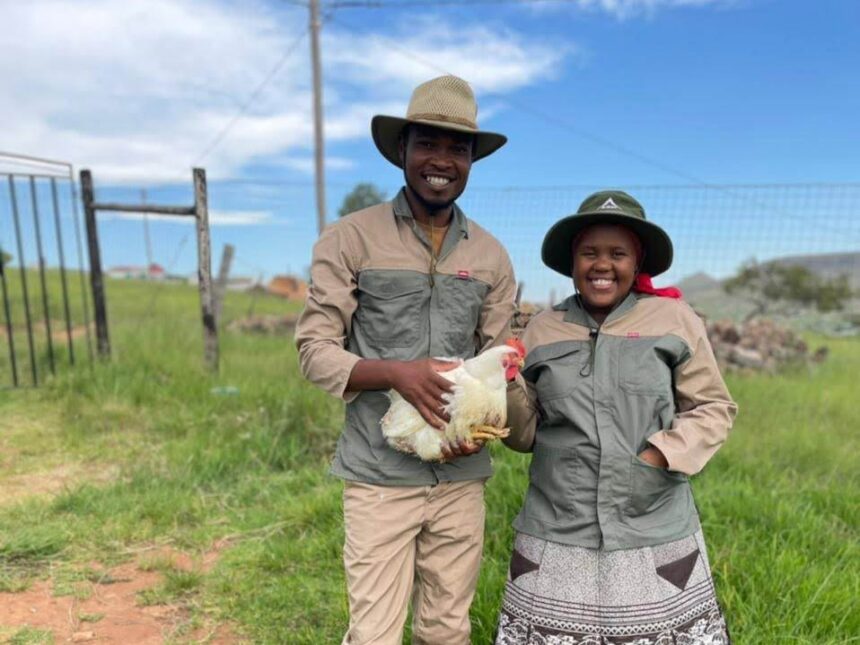
Young farmers continue to play a critical role in strengthening South Africa’s rural economy, and targeted support programmes are helping many of them move from small scale farming into structured agricultural enterprises. In the Eastern Cape, the Eastern Cape Rural Development Agency, known as the Eastern Cape Rural Development Agency, has been instrumental in supporting emerging farmers with practical resources and financial assistance. One such success story is the agricultural journey of Bonginkosi Mgijima and his wife, a young couple based in Magadla/Sijoka Location near Matatiele. Their farming operation shows how consistent support, combined with hard work and planning, can transform rural livelihoods. Their progress reflects a growing shift toward youth driven agricultural production in local communities. It also highlights how structured support systems can unlock long term sustainability in farming.
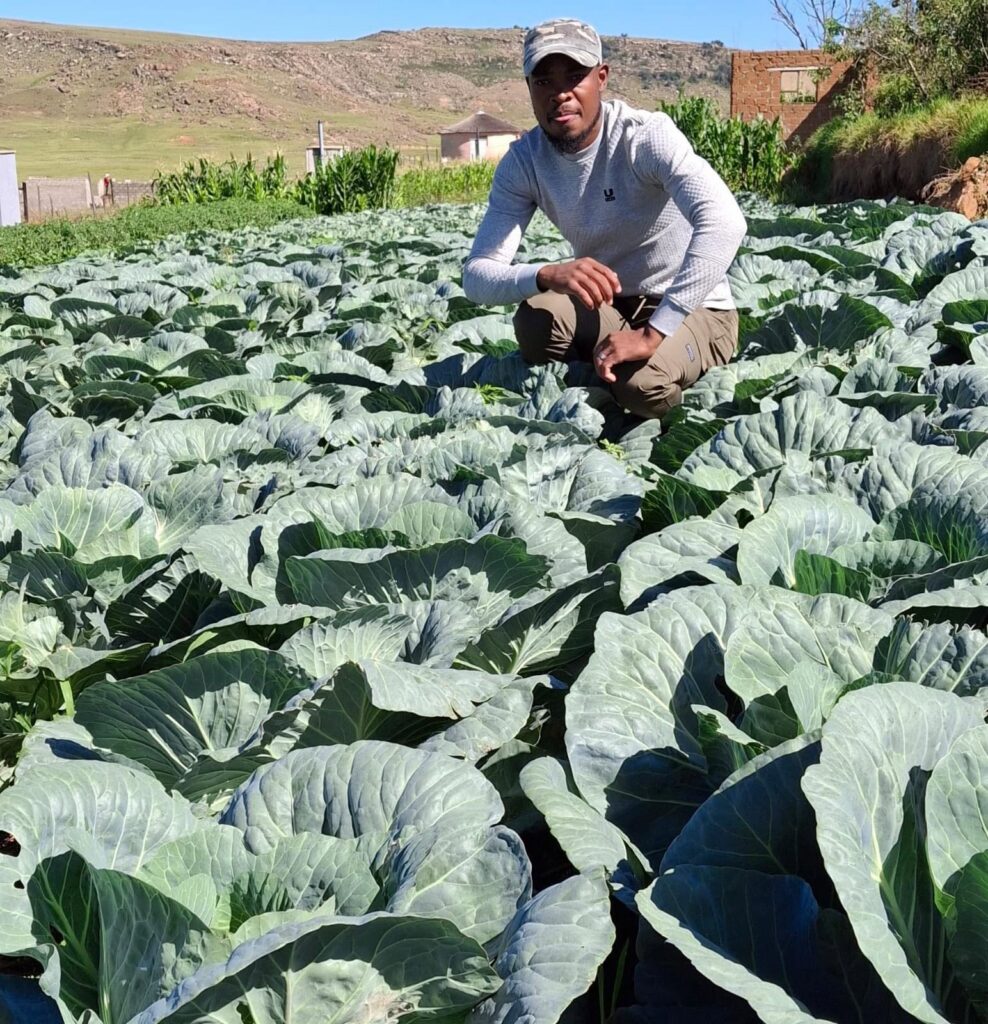
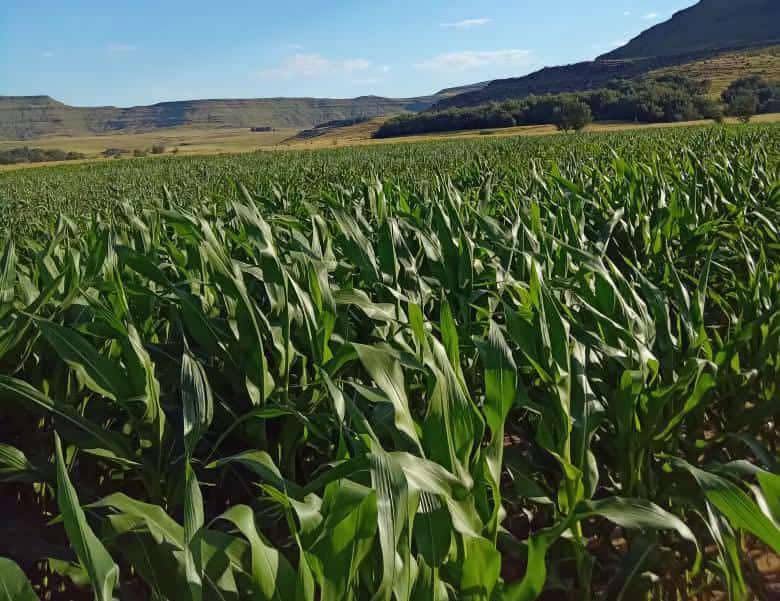
The Mgijima family operates a diversified agricultural business that includes both crop production and poultry farming. Their crop production covers a wide range of fresh produce, including cabbages, tomatoes, green peppers, potatoes, spinach and maize, which they supply to surrounding communities. This diversity allows them to reduce risk and maintain income throughout different farming seasons. Alongside crop farming, they also run a poultry enterprise under the name MFO KA MGIJIMA TRADING ENTERPRISE (PTY) LTD, where they produce chickens for local markets. This combination of crops and livestock has helped them build a more stable and resilient farming model. It also positions them as important contributors to local food supply chains in their area.
Support from the Eastern Cape Rural Development Agency has played a key role in the growth of their poultry operations through the Rural Structured Finance Programme. Through this initiative, the couple received essential inputs such as day old chicks, poultry feed, vaccination services, veterinary care and farming equipment. They also received operational support that helped them manage costs during broiler production cycles. This type of assistance is especially important for young farmers who often face high startup costs and limited access to commercial financing. By reducing financial pressure, the programme allowed the Mgijimas to focus on production quality and business expansion. It also helped them gain practical experience in managing a commercial poultry operation.
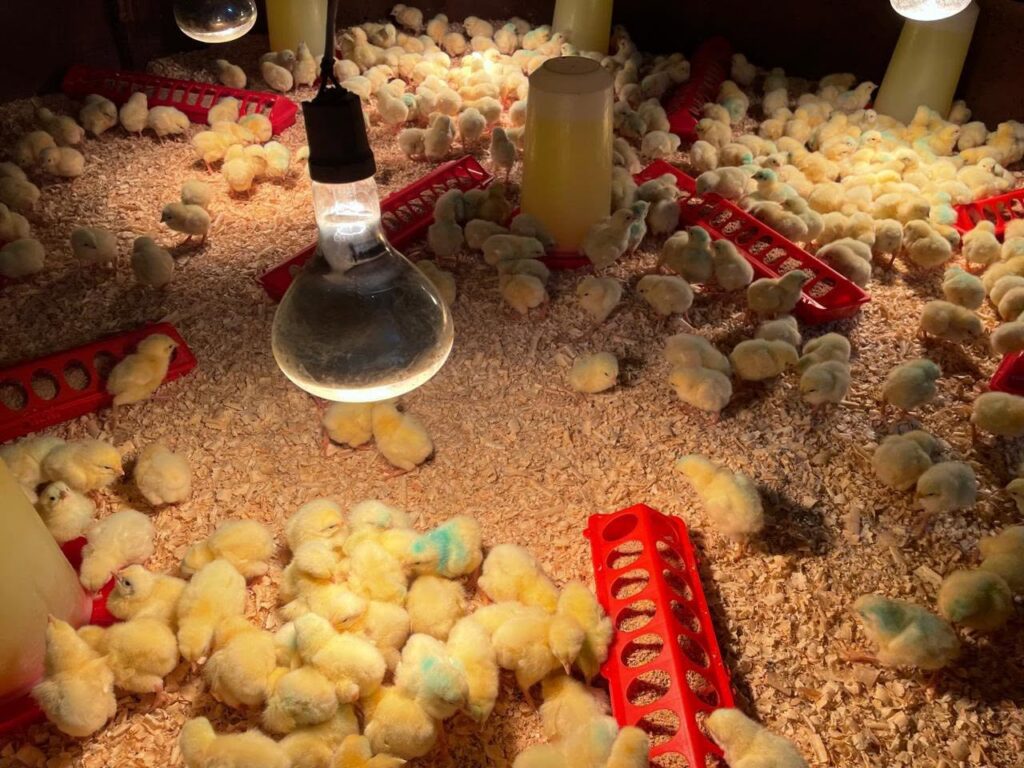
The couple explained that this was not their first interaction with ECRDA support, as they had previously received assistance for vegetable production. That earlier support included seedlings, fertiliser and crop medication, which helped them establish and maintain their vegetable farming activities. With that foundation in place, they were able to expand into poultry farming with greater confidence and improved capacity. The transition from crop support to livestock support demonstrates how development programmes can evolve alongside the needs of growing farmers. Each stage of assistance contributed to building their skills, infrastructure and overall business stability. Their experience shows how continuous support can strengthen long term agricultural development rather than short term output alone.
Despite their progress, the Mgijima family has identified key areas where additional investment could further improve their production capacity. Bonginkosi Mgijima noted that improved access to reliable water sources would significantly enhance their crop and poultry operations. Water security remains one of the most important factors in sustainable farming, especially in rural areas where infrastructure is limited. They also highlighted the need to expand poultry infrastructure to increase production volumes and meet growing market demand. These improvements would not only boost their business performance but also create additional employment opportunities within their community. Their vision reflects a practical understanding of what is required to scale an agricultural enterprise in a rural setting.
The success of the Mgijima family demonstrates the broader impact of structured support programmes in rural development. With continued assistance from the Eastern Cape Rural Development Agency, they are steadily building a farming enterprise that contributes to local food security and economic activity. Their journey shows how targeted funding, combined with training and resources, can empower young farmers to establish sustainable businesses. It also highlights the importance of persistence and adaptability in agriculture, especially in challenging rural environments. As their operations continue to grow, they are becoming a source of inspiration for other young farmers in their region. Their story reflects how agriculture can serve as a pathway to economic independence and community development when supported effectively.
Join 'Farmers Mag' WhatsApp Channel
Get the latest Farming news and tips delivered straight to your WhatsApp
CLICK HERE TO JOIN