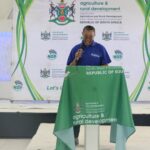
The final day of the Public Sector Forum for Extension and Advisory Services meeting opened with meaningful discussions as delegates reflected on lessons learned during the previous day’s exposure visits. Participants shared observations, experiences and practical insights gathered from interactions with farmers, institutions and agricultural projects. These discussions created an opportunity for delegates to evaluate current agricultural extension practices and identify areas that require improvement. The feedback sessions also highlighted the importance of knowledge sharing among professionals working in different parts of the agricultural sector. Delegates used the platform to discuss challenges facing farmers and how extension and advisory services can respond more effectively to the changing needs of rural communities and agricultural producers across South Africa.
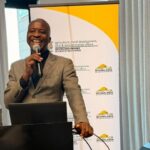
During his remarks, Bonga Msomi stressed the importance of ensuring that recommendations made during the forum remain focused on the core responsibilities of extension and advisory services. He reminded delegates that farmers’ needs must remain central in all planning, implementation and policy discussions. His message reinforced the role of extension officers as key partners in agricultural development and rural support systems. He further highlighted that extension services are expected to bridge the gap between research, innovation and practical farming activities. His remarks encouraged delegates to develop solutions that are practical, farmer-focused and capable of improving productivity, sustainability and food security within communities.
Another major focus of the day involved stakeholder engagement sessions designed to strengthen collaboration within the agricultural sector. These engagements allowed different organisations and institutions to present their activities and identify possible areas for partnership and cross-pollination. The discussions highlighted how collaboration between public institutions, private companies, research organisations and development agencies can improve extension and advisory services. Delegates explored ways to increase information sharing, improve farmer training and strengthen support systems for agricultural producers. The sessions also showed the growing need for integrated approaches that combine technical expertise, market access and sustainable farming practices.
One of the presentations focused on the role and programmes of South African Pork Producers’ Organisation in supporting pork producers within the Free State province. The presentation by Thato Seerane highlighted initiatives aimed at improving production standards, farmer development and sustainability within the pork industry. Delegates gained insight into how producer organisations can support emerging and established farmers through training, mentorship and industry partnerships. The discussion also addressed challenges faced by pork producers, including production costs, animal health and market access. The presentation demonstrated how industry organisations can play a vital role in strengthening agricultural value chains and improving opportunities for farmers.
Another important presentation was delivered by Julius Ramohlabi on behalf of SENWES regarding engagement with grain farmers in the Fezile Dabi District. The session explored how partnerships between agribusinesses and farmers can contribute to improved production and economic growth in rural areas. Delegates heard how grain farmers benefit from technical support, financial services and market-related guidance provided through these engagements. The presentation also highlighted the importance of building trust between farmers and agricultural support institutions. Participants noted that effective collaboration between private sector stakeholders and farming communities remains essential for long-term agricultural success.
International cooperation and innovation were also discussed during a presentation on SHEP implementation in South Africa by Ren Kamioka from Japan International Cooperation Agency. The SHEP approach focuses on helping farmers shift from subsistence farming to market-oriented agriculture. Delegates learned about strategies that encourage farmers to understand market demands before production begins. This approach helps farmers improve profitability and make informed business decisions. The presentation also highlighted how farmer empowerment, training and market access can improve livelihoods and strengthen rural economies. Many delegates viewed the programme as an important model for supporting small-scale farmers in South Africa.
Research and training outcomes were another key topic during the forum. Thembi Ngotho presented findings from an impact study on the Agricultural Research Council farmer training programme. The study examined how training initiatives have influenced farmers’ skills, productivity and farming practices. Delegates discussed the importance of continuous farmer education in helping producers adapt to climate challenges, market pressures and changing technologies. The findings also showed the value of practical training programmes that focus on real farming conditions and community needs. Participants agreed that investment in farmer education remains critical for strengthening the agricultural sector.
The forum also explored future-focused development opportunities through a presentation by Florus Prinsloo on the Just Energy Transition skills development programme. This session examined how the agricultural sector can prepare for changing energy systems and environmental priorities. Delegates discussed the need to equip farmers and agricultural workers with skills that support sustainable development and green economic growth. The presentation highlighted the importance of preparing communities for new technologies and climate-smart agricultural practices. Discussions during the session reflected growing awareness that sustainability and environmental responsibility will continue shaping the future of agriculture.
The final presentation addressed the status report on South African Council for Natural Scientific Professions registration by Lientjie Mogano. This discussion focused on professional development and the importance of registration within the scientific and agricultural professions. Delegates examined how professional recognition contributes to improved service delivery, accountability and industry standards. The presentation also highlighted challenges faced by professionals seeking registration and the need for ongoing support and awareness within the sector. Participants agreed that strengthening professional standards can help improve confidence in extension and advisory services across the country.
The closing sessions of the Public Sector Forum reflected a strong commitment to improving agricultural extension and advisory services in South Africa. Delegates left the meeting with a deeper understanding of the challenges and opportunities facing the agricultural sector. The discussions reinforced the importance of farmer-centred approaches, stakeholder collaboration and continuous professional development. The forum also demonstrated how partnerships between government, private organisations, researchers and international agencies can contribute to stronger support systems for farmers. As the event concluded, delegates carried forward recommendations and ideas aimed at building a more responsive, innovative and sustainable agricultural extension system that prioritises the needs of farmers and rural communities.
Join 'Farmers Mag' WhatsApp Channel
Get the latest Farming news and tips delivered straight to your WhatsApp
CLICK HERE TO JOIN