

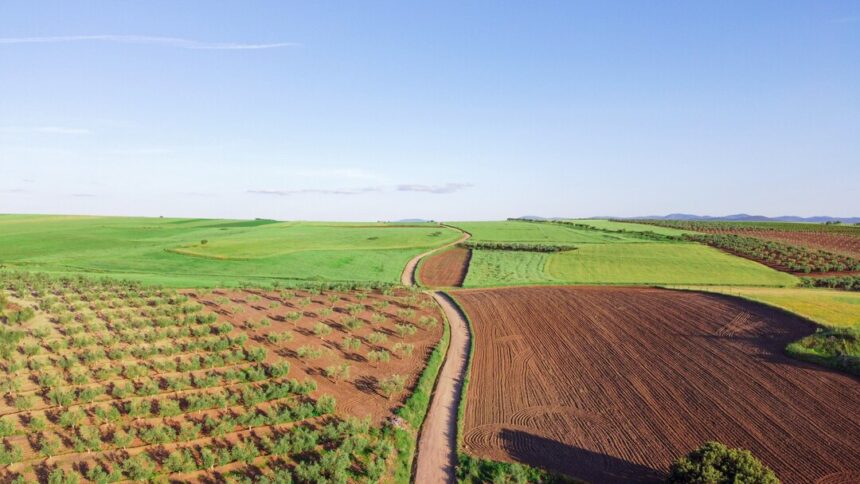
Restoring degraded land on a small farm in South Africa is one of the most impactful steps a farmer can take toward sustainable agriculture, improved productivity, and environmental resilience. Land degradation—caused by overgrazing, deforestation, soil erosion, poor crop rotation, and excessive chemical use—reduces the fertility and productivity of the soil, putting long-term food security and income at risk. Fortunately, with the right practices and a bit of patience, small-scale farmers can revive their land and build healthier, more productive farms.
The first step in restoring degraded land is to assess the extent and type of degradation. Is the soil eroded, compacted, nutrient-depleted, or waterlogged? Walk your land and look for visible signs such as bare patches, gullies, stunted crops, or invasive plant species. In many parts of South Africa, particularly in arid and semi-arid regions like the Eastern Cape or Northern Cape, overgrazing and water runoff are common causes of land degradation. In high-rainfall areas such as KwaZulu-Natal, soil leaching and erosion on slopes can be more prevalent.
Once the problem areas have been identified, start with soil improvement. Adding organic matter is one of the most effective ways to bring life back into degraded soil. Compost, animal manure, green manure, and crop residues can help improve soil structure, boost microbial activity, and increase water retention. For severely compacted soils, mechanical methods like ripping or broadforking can help break up hard layers and improve drainage and root penetration.
Planting cover crops is another powerful tool in land restoration. Leguminous plants such as cowpeas, lucerne, or sunhemp fix nitrogen in the soil, while grasses like oats or rye prevent erosion and add biomass when turned into the soil. In South Africa’s mixed rainfall regions, intercropping and rotational planting with cover crops between main cash crops can significantly improve long-term soil health.
Contour farming and terracing are highly effective in areas prone to erosion, especially on sloped terrain. Building contour lines or small barriers using stones, branches, or earth helps slow down water runoff, allowing it to soak into the soil instead of washing it away. Planting grass strips or vetiver grass along these contours adds a natural barrier that strengthens the structure and prevents gully formation.
Agroforestry is another method gaining traction in smallholder communities. Planting indigenous trees and shrubs around crop fields or within grazing zones helps stabilize the soil, reduce wind erosion, and create microclimates that benefit crops. Species such as moringa, wild olive, acacia, and spekboom are well-suited to South African climates and have the added benefit of producing food, fodder, or firewood.
Resting the land through managed fallow periods can also allow soil to recover naturally. Divide your land into sections and rest each section every few seasons while others are actively farmed. During fallow periods, allow natural vegetation to regrow or plant cover crops to protect the soil and enrich it for the next season.
Controlled grazing is essential for farmers who keep livestock. Overgrazing strips the land of vegetation, leaving the soil vulnerable to erosion. Implementing rotational grazing—where animals are moved between paddocks—gives grasses time to recover and maintain healthy root systems. Planting resilient pasture species such as Rhodes grass or Smuts finger grass can speed up recovery and support more sustainable livestock farming.
Access to water is also vital in the restoration process. Harvesting rainwater using tanks, swales, or ponds reduces reliance on boreholes and municipal water. Using drip irrigation or watering during cooler times of the day improves efficiency and reduces stress on recovering soils.
Restoration does not happen overnight. It may take one to three seasons before major improvements are seen, but the long-term benefits—such as increased yields, better water retention, healthier animals, and more resilient crops—make the effort worthwhile. Support is also available from agricultural extension officers, local NGOs, and government programs aimed at helping smallholders adopt sustainable land management practices.
Restoring degraded land on a small farm in South Africa is both a challenge and an opportunity. By working with nature, investing in the soil, and adopting smart farming practices, small-scale farmers can reclaim productivity, boost their incomes, and contribute to a more sustainable agricultural future.
Join 'Farmers Mag' WhatsApp Channel
Get the latest Farming news and tips delivered straight to your WhatsApp
CLICK HERE TO JOIN




