Autumn in South Africa, typically spanning from March to May, offers smallholders a valuable window for planting a wide variety of crops. With cooler temperatures, more consistent rainfall, and reduced pest activity, this season is ideal for preparing your land and setting the stage for a productive year. Whether you’re growing for your household or for market, here’s a guide to what you should consider planting on your smallholding this autumn.
1. Leafy Greens
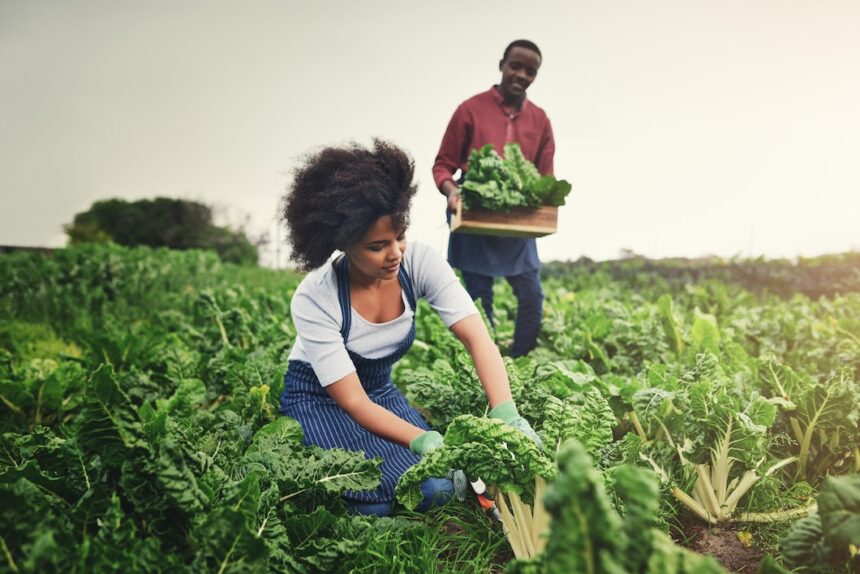
Cooler autumn weather is perfect for leafy greens, which tend to bolt in summer heat. Crops like spinach, Swiss chard, lettuce, kale, and arugula thrive during this time. These fast-growing vegetables can be harvested within a few weeks of planting and are excellent for continuous harvesting.
Plant them in well-drained soil enriched with compost, and ensure consistent watering to keep leaves tender and vibrant. These greens also grow well in raised beds and containers, offering flexibility for space-limited smallholdings.
2. Root Vegetables
Autumn is prime time to sow root crops such as carrots, beetroot, turnips, and radishes. These vegetables prefer the mild temperatures of autumn and can tolerate light frost, especially in inland regions.
Be sure to prepare the soil thoroughly by loosening it to encourage deep root development. Carrots and beets are particularly rewarding, as they can be harvested gradually over time, giving you fresh produce into winter.
3. Brassicas
Members of the brassica family—like cabbage, broccoli, cauliflower, and Brussels sprouts—are well suited for planting in autumn. These crops benefit from the cooler temperatures, which enhance their flavour and reduce the likelihood of pests like cabbage moths.
Start them in seedling trays early in the season or purchase established seedlings for transplanting. Give them ample spacing and monitor regularly for aphids and whiteflies.
4. Alliums
Onions, leeks, garlic, and spring onions are great additions to your autumn garden. Garlic, in particular, thrives when planted in early to mid-autumn, as it needs a period of cold to develop large, flavourful bulbs.
Plant garlic cloves or onion sets in loose, well-drained soil with plenty of compost. These crops take longer to mature, but they’re low-maintenance and provide excellent returns by winter or early spring.
5. Legumes
Peas and broad beans are excellent nitrogen-fixing crops that not only provide nutritious food but also improve soil health. These legumes prefer the cooler autumn climate and grow vigorously with proper support.
Sow them directly into the soil and ensure they have trellises or stakes to climb. As a bonus, peas and beans enrich your soil for the next planting season, making them a smart choice for rotational planning.
6. Herbs
Many herbs do well in autumn, especially those that prefer milder conditions. Coriander, parsley, thyme, and chives grow strongly in cooler weather. Plant them in sunny spots with well-draining soil and harvest them regularly to encourage new growth.
If you’re in a region that experiences frost, consider growing herbs in pots so they can be moved under cover when needed.
Bonus Tip: Prepare for Winter
Autumn is also the right time to start preparing your beds for winter crops and cover crops. Add compost, mulch generously, and plan crop rotations to maintain healthy soil. You can also start planting green manures like clover or rye to improve soil structure and fertility.
South African smallholders have a unique advantage in autumn, with a climate that supports a wide range of crops. With thoughtful planning and timely planting, you can keep your land productive through the seasons and ensure a steady supply of fresh, homegrown food well into the winter months.
Join 'Farmers Mag' WhatsApp Channel
Get the latest Farming news and tips delivered straight to your WhatsApp
CLICK HERE TO JOIN