

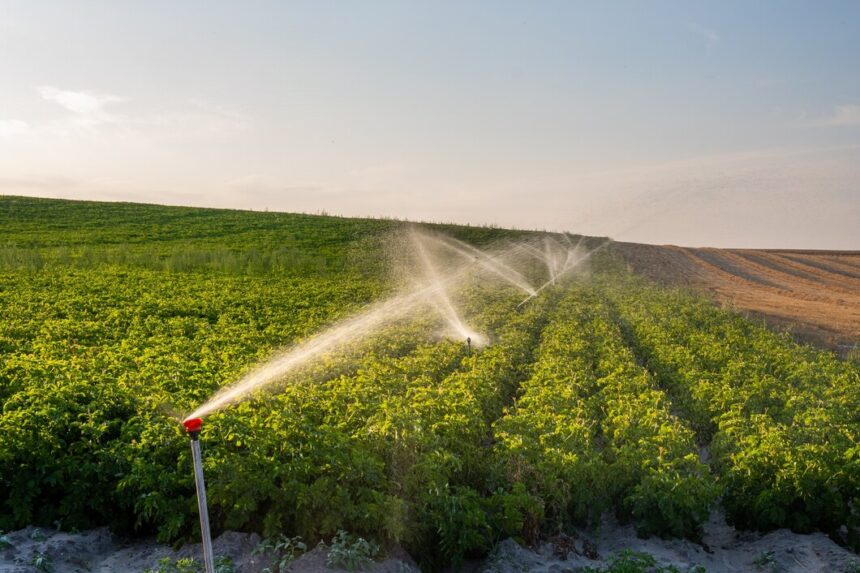
Water is one of the most valuable resources on any farm, especially small farms where every drop counts. Efficient water management not only helps reduce costs but also supports sustainable farming practices that protect the environment. If you’re looking to improve water efficiency on your small farm, here are seven practical strategies to consider.
1. Implement Drip Irrigation Systems
Drip irrigation delivers water directly to the base of plants through a network of tubes and emitters. This method minimizes evaporation and runoff compared to traditional sprinkler systems. By targeting the root zone, drip irrigation ensures plants receive just the right amount of water, improving growth and saving water.
2. Harvest Rainwater
Collecting rainwater in barrels or storage tanks allows you to capture and store natural rainfall for later use. Rainwater harvesting can reduce reliance on groundwater or municipal water sources, especially during dry periods. Make sure to install gutters and downspouts that direct rainwater into your storage system.
3. Mulch Your Soil
Applying organic mulch around plants helps retain soil moisture by reducing evaporation. Mulch also suppresses weed growth, which competes with crops for water. Straw, wood chips, or composted materials are excellent mulching options that improve water retention and soil health.
4. Schedule Irrigation Wisely
Watering plants during the cooler parts of the day—early morning or late evening—reduces water loss due to evaporation. Avoid watering during windy conditions, which can also increase evaporation. Additionally, regularly check soil moisture levels to irrigate only when necessary.
5. Use Soil Moisture Sensors
Investing in soil moisture sensors allows you to monitor the exact water needs of your crops. These sensors provide real-time data, helping you avoid overwatering or underwatering. Precise irrigation scheduling based on sensor feedback can lead to significant water savings.
6. Choose Drought-Tolerant Crops
Selecting crops that require less water or are more resilient to dry conditions can improve overall water efficiency. Indigenous or native plants adapted to your local climate often need less irrigation and can thrive with natural rainfall.
7. Maintain and Repair Irrigation Equipment
Regularly inspecting your irrigation system for leaks, clogs, or broken parts ensures it operates efficiently. Even small leaks can waste large amounts of water over time. Routine maintenance prevents unnecessary water loss and extends the lifespan of your equipment.
By implementing these seven strategies, small farmers can make significant strides in conserving water while maintaining healthy and productive crops. Efficient water use not only benefits your farm’s bottom line but also contributes to a more sustainable and environmentally friendly agricultural practice.
Join 'Farmers Mag' WhatsApp Channel
Get the latest Farming news and tips delivered straight to your WhatsApp
CLICK HERE TO JOIN




