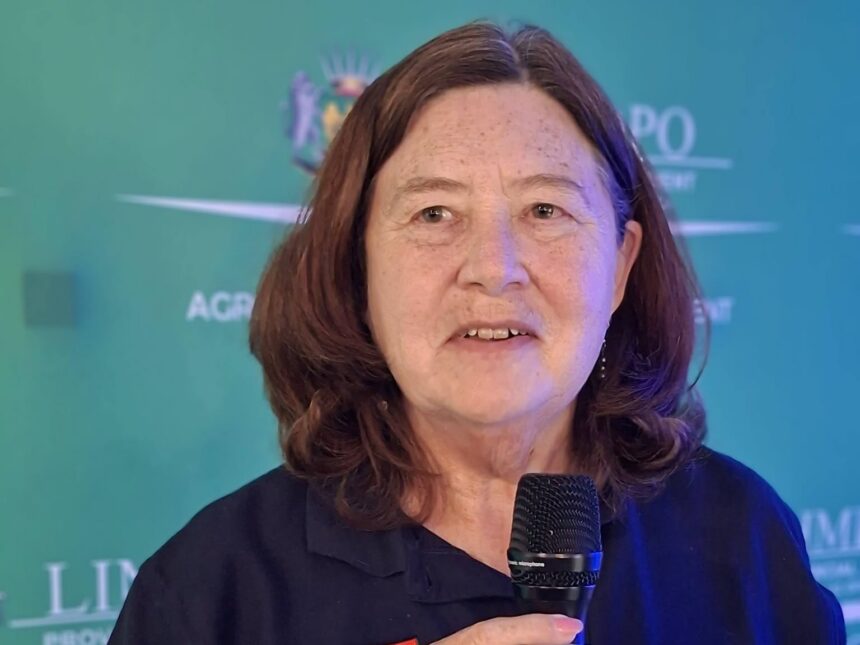
Agricultural extension services play an important role in strengthening farming businesses, improving productivity and ensuring that farmers have access to the knowledge and resources they need to succeed. As the agricultural sector faces growing pressure from climate change, changing market conditions and technological developments, the need for modern, effective and inclusive extension services has become increasingly important. Recognising this need, the Waterberg District convened its 2026 Extension Recovery Programme Conference on 29 October 2026 at the Euphoria Golf and Lifestyle Estate in Mookgophong, Limpopo. The conference brought together agricultural extension practitioners, researchers and departmental officials to discuss practical ways of transforming agricultural extension and advisory services. The gathering provided an opportunity to exchange knowledge, explore innovative solutions and strengthen collaboration towards a more productive, sustainable and climate-resilient agricultural sector.
Held under the theme “Transforming Agricultural Extension and Advisory Services for Innovative, Sustainable, Inclusive and Climate-Resilient Agriculture,” the conference focused on the future of agricultural development in the Waterberg District. The discussions recognised that extension services must continue evolving to respond to the changing needs of farmers and the wider agricultural industry. Extension practitioners serve as an important link between government, research institutions and farming communities. They help farmers access agricultural knowledge, understand improved production methods and make informed decisions about their farming operations. Strengthening these services is therefore essential to improving agricultural performance and supporting long-term rural development.
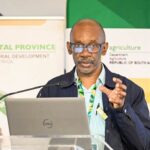
Opening the conference, District Director Mr. Levy Mashiane provided an overview of the Waterberg District and highlighted the indispensable contribution of agricultural extension services to the sector. He emphasised that sustainable agriculture cannot be achieved without the involvement of extension practitioners. His remarks positioned extension officers as central figures in agricultural development because of their direct engagement with farmers and their role in translating research and technical knowledge into practical solutions. He challenged practitioners to embrace technology and develop an entrepreneurial and commercial mindset when delivering agricultural advisory services. This approach reflects the need for extension services to move beyond traditional methods and become more responsive to modern agricultural opportunities and challenges.
Mr. Mashiane also introduced the district’s new rallying call, “The Future of Agriculture Now,” which reflects his commitment to advancing innovation and modern agricultural practices across Waterberg. The message highlights the importance of taking practical steps towards agricultural transformation rather than postponing the adoption of new approaches. Modern farming increasingly requires access to reliable information, appropriate technologies and sustainable production methods. Extension practitioners have an important responsibility to help farmers understand these developments and identify solutions that suit their particular farming conditions. By encouraging innovation and commercial thinking, the district aims to strengthen the capacity of its agricultural sector to respond to changing economic and environmental realities.
Climate change adaptation and mitigation formed an important part of the conference programme. Dr. Johan Malherbe, an agrometeorologist from the Agricultural Research Council, delivered an online presentation examining the effects of climate change on agricultural production. His presentation focused on El Niño, greenhouse gas emissions and environmental risks affecting livestock production. These issues are particularly relevant to agricultural communities because changing weather patterns can influence water availability, grazing conditions, animal health and overall farm productivity. Understanding climate-related risks enables farmers and agricultural advisers to make better-informed decisions about production planning and resource management. The discussion also reinforced the importance of sharing scientific knowledge with farmers so they can prepare for changing environmental conditions.
El Niño was highlighted as one of the climate-related factors that can contribute to challenging agricultural conditions. Its effects vary across regions and seasons, but associated changes in rainfall and temperature can create additional pressure on livestock and crop production. In areas where farming depends heavily on natural grazing and seasonal rainfall, prolonged dry conditions can affect pasture availability and increase the need for careful livestock management. Farmers may need to review stocking rates, protect available grazing resources and plan for periods of limited water availability. Extension practitioners can support these efforts by communicating relevant climate information and helping farmers consider appropriate adaptation measures. Integrating climate knowledge into agricultural advisory services is therefore important for building resilience across the district.
The conference also addressed the need to improve market access and strengthen agricultural value chains. Producing quality agricultural products is only one part of running a successful farming business. Farmers also need access to reliable markets, appropriate infrastructure, effective marketing systems and opportunities to participate in profitable value chains. Discussions explored strategies to improve market access, expand opportunities for red meat exports and unlock the agricultural potential of the Waterberg District. Stronger value chains can help connect producers with buyers and other industry participants while creating opportunities for improved agricultural competitiveness. These discussions highlighted the importance of ensuring that extension services provide guidance that considers both production and commercial development.
The focus on red meat exports also reflected the importance of developing a competitive livestock sector. Access to export markets can create additional opportunities for producers, but it requires attention to product quality, animal health, traceability and applicable market requirements. Farmers need to understand the standards and processes involved in supplying different markets. Effective extension services can help communicate relevant production practices and encourage cooperation between farmers, industry organisations and other stakeholders. Improving coordination across the red meat value chain can contribute to stronger market participation and better opportunities for livestock producers. However, achieving these outcomes requires sustained investment, knowledge sharing and compliance with the requirements of target markets.
Another key highlight of the conference was the discussion on smart agricultural technologies and their potential to improve service delivery. Officials from the department’s head office, led by Ms. Makopoi Nkopane, shared insights into the use of artificial intelligence, drones, Geographic Information Systems and digital data collection in agriculture. These technologies offer opportunities to improve agricultural planning, monitor farming activities and support more informed decision-making. Their application can also help extension practitioners gather relevant information and identify challenges that require attention. As digital tools become increasingly important in modern agriculture, developing the skills needed to use them effectively will be essential for both officials and farmers.
Artificial intelligence can support agricultural decision-making by helping users analyse information, identify patterns and improve planning processes. When used appropriately, data-driven systems can assist with monitoring production conditions and understanding potential agricultural risks. Drones can provide aerial information that helps users assess fields, monitor vegetation and identify certain production challenges. Geographic Information Systems can support the mapping of agricultural resources, land use and infrastructure, allowing officials to make better-informed planning decisions. Digital data collection can also improve the way agricultural information is recorded, organised and used during service delivery. Together, these technologies can strengthen agricultural extension services by making information more accessible and supporting more targeted interventions.
However, the adoption of smart agricultural technologies must be accompanied by practical training and support. Farmers and extension practitioners need to understand how digital tools work and how they can apply them to everyday agricultural activities. Access to connectivity, suitable equipment and digital skills may also influence how effectively these technologies can be used in different farming communities. It is therefore important that technological transformation remains inclusive and considers the needs of farmers with different levels of resources and experience. Extension services can help bridge this gap by providing guidance and encouraging farmers to adopt appropriate innovations at a manageable pace. The objective should be to ensure that technology improves agricultural outcomes rather than creating additional barriers to participation.
Collaboration between research institutions, extension officers and farmers emerged as another important consideration throughout the conference. Research institutions contribute scientific knowledge and technical expertise that can help address agricultural challenges. Extension practitioners connect this knowledge with farming communities and assist farmers in applying relevant findings to their operations. Farmers, in turn, provide practical experience and feedback that can help researchers and officials understand the realities of agricultural production. Stronger partnerships between these groups can improve the development and adoption of useful agricultural solutions. Regular communication and knowledge sharing can also help ensure that research responds to the actual needs of farming communities.
The Extension Recovery Programme Conference provided an important platform for considering how agricultural advisory services can contribute to the future of farming in Waterberg. Its discussions covered several interconnected priorities, including climate change adaptation, livestock production, market development, agricultural technology and improved service delivery. These priorities demonstrate that agricultural transformation requires more than changes in farming techniques. It also depends on stronger institutional capacity, accessible information, commercial awareness and cooperation across the agricultural value chain. Extension practitioners are well positioned to support this transformation because of their direct relationship with farmers and their role in connecting different agricultural stakeholders. Their continued development and access to appropriate tools will be important in achieving the district’s agricultural objectives.
The conference also reinforced the importance of making agricultural extension services inclusive and responsive to the different needs of farming communities. Farmers operate under different conditions and may require different forms of technical, financial and market-related support. Effective advisory services should therefore consider the circumstances of individual farmers while promoting opportunities for wider participation in agriculture. This includes helping farmers understand sustainable production practices, access relevant information and identify opportunities to improve their businesses. A stronger extension system can contribute to agricultural transformation by ensuring that knowledge and innovation reach the people who need them. Building these connections will be essential to improving productivity and supporting a more resilient farming sector.
The Waterberg District’s 2026 Extension Recovery Programme Conference demonstrated the importance of modernising agricultural extension and advisory services to meet the demands of a changing agricultural environment. Through the contributions of Mr. Levy Mashiane, Dr. Johan Malherbe, Ms. Makopoi Nkopane and other participants, the gathering highlighted the need for innovation, climate resilience, technology adoption and stronger agricultural value chains. The message, “The Future of Agriculture Now,” captures the importance of turning these discussions into practical action that benefits farmers and the wider agricultural sector. Continued collaboration between government departments, research institutions, extension practitioners and farming communities will be essential to achieving this vision. By strengthening agricultural advisory services and embracing appropriate innovations, the Waterberg District can work towards a more sustainable, inclusive and competitive agricultural sector that is better prepared for the challenges and opportunities ahead.
Join 'Farmers Mag' WhatsApp Channel
Get the latest Farming news and tips delivered straight to your WhatsApp
CLICK HERE TO JOIN