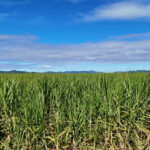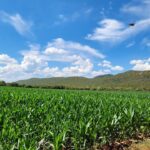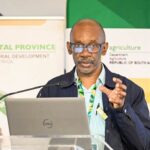
Farmers play a vital role in strengthening the agricultural sector, creating employment and supporting economic development in rural communities. However, running a successful farming business requires more than land, equipment and hard work. Farmers also need access to funding, financial assistance, technical expertise and government support programmes that can help them overcome challenges and build sustainable operations. In South Africa, ensuring that farmers can access the right resources remains important for agricultural growth, transformation and long-term food security. These issues were brought into focus at the Sugar Cane Imbizo in Nkomazi, Mpumalanga, where sugar cane growers engaged with government departments and industry stakeholders to discuss the challenges affecting their businesses and farming operations.
The Sugar Cane Imbizo provided an opportunity for growers to raise concerns directly with representatives from the National Department of Agriculture and the Department of Trade, Industry and Competition South Africa. Discussions focused on access to funding, financial assistance and government support programmes available to farmers in the sugar cane industry. Growers were able to ask questions about the support they need to maintain their operations, improve productivity and develop their businesses. Both departments responded to the questions raised and provided clarity on available support. This direct engagement helped create a space for farmers and government representatives to discuss practical concerns and explore opportunities for further assistance.
Access to finance remains an important consideration for farmers seeking to establish, expand or sustain their agricultural businesses. Sugar cane production involves a range of expenses, including land preparation, planting, fertiliser, pest management, irrigation where required, harvesting and the transportation of cane to processing facilities. These costs can place considerable pressure on growers, particularly those who have limited financial resources or struggle to secure suitable financing. Without sufficient working capital, farmers may find it difficult to maintain production levels, invest in equipment or respond to changing operating conditions. Access to appropriate funding and financial support can help growers manage these costs, improve their operations and plan for future growth.
Government support programmes can play an important role in addressing some of the barriers that farmers face. However, the availability of assistance does not always mean that every farmer understands which programmes apply to their circumstances or how to access them. Clear information about eligibility requirements, application procedures, supporting documents and funding conditions is therefore essential. Farmers also benefit when government departments explain the types of assistance available and direct them to the appropriate channels for further guidance. The discussions at the Sugar Cane Imbizo highlighted the value of providing growers with clearer information so they can make informed decisions about the support available to their businesses.
The involvement of the National Department of Agriculture and the Department of Trade, Industry and Competition reflects the different areas of support that can contribute to agricultural development. Agricultural support can address production-related needs, while trade and industry initiatives can help businesses understand opportunities for growth, competitiveness and market participation. For sugar cane growers, these areas are closely connected because a viable farming operation must be able to produce efficiently and operate within a broader commercial environment. Access to funding alone may not resolve every challenge, particularly when farmers also need technical guidance, infrastructure, reliable market access and effective business management. Cooperation between government departments and industry stakeholders can help identify these interconnected needs and improve the way support reaches growers.
Sustainable farming operations depend on the ability of farmers to manage both immediate challenges and long-term business risks. Sugar cane growers must consider production costs, weather conditions, water availability, soil health, equipment maintenance and other factors that can affect yields and profitability. Financial pressure can make it harder to invest in improved farming practices or maintain essential infrastructure. Appropriate assistance can help farmers protect their productive capacity while making informed decisions about future investments. By combining financial support with relevant agricultural advice and business development opportunities, stakeholders can contribute to stronger farming businesses that are better prepared to manage changing conditions.
The growth of the sugar cane industry also has implications for rural economic development and employment. Agricultural businesses support a range of activities beyond the farm itself, including transport, harvesting services, equipment supply and sugar processing. When growers can sustain their operations, they help maintain economic activity across these connected parts of the value chain. Stronger farming businesses can also create opportunities for emerging growers to participate more meaningfully in the agricultural economy. Supporting farmers is therefore not only about addressing individual business needs, but also about strengthening the wider network of people and enterprises that depend on a productive agricultural sector.
Agricultural transformation is another important consideration in ensuring that support reaches farmers who need it. Growers with different levels of experience, resources and access to markets may face different barriers to business development. Emerging and resource-constrained farmers may require additional guidance to navigate funding applications, meet programme requirements and identify suitable investment opportunities. Effective support should take these differences into account and provide practical information that farmers can use. Engagements such as the Sugar Cane Imbizo can help government and industry stakeholders better understand these needs while creating opportunities to discuss ways of improving access to assistance and supporting broader participation in the sector.
Open communication between farmers and government is essential to making agricultural support more responsive to real business conditions. Growers have direct experience of the financial, operational and market-related challenges that affect their farms. Their feedback can help public institutions understand where information is unclear, where application processes create difficulties and where additional guidance may be needed. At the same time, government representatives can explain existing programmes, clarify requirements and outline the channels through which farmers can seek assistance. Regular engagement can help both sides develop a clearer understanding of the challenges involved and identify practical areas for cooperation.
The Sugar Cane Imbizo in Nkomazi, Mpumalanga, demonstrated the importance of bringing sugar cane growers, government departments and industry stakeholders together to discuss the support required for sustainable farming. Through discussions about funding, financial assistance and government programmes, growers had an opportunity to raise their concerns and seek clarity on available resources. The participation of the National Department of Agriculture and the Department of Trade, Industry and Competition reinforced the importance of communication and cooperation in addressing agricultural business challenges. Continued engagement, accessible information and appropriate support will remain important in helping farmers strengthen their operations, improve their business prospects and contribute to the development of South Africa’s sugar cane industry.
Ultimately, farmers need more than access to programmes on paper. They need clear guidance, suitable financial opportunities and support that responds to the realities of running an agricultural business. When farmers can access the resources and information they need, they are better positioned to maintain production, invest in their businesses and pursue sustainable growth. Government and industry stakeholders have an important role to play in creating an environment where growers can raise concerns, understand their options and seek practical assistance. By building on engagements such as the Sugar Cane Imbizo, South Africa can continue working towards a more inclusive, resilient and sustainable agricultural sector that supports farmers, rural communities and the wider economy.
Join 'Farmers Mag' WhatsApp Channel
Get the latest Farming news and tips delivered straight to your WhatsApp
CLICK HERE TO JOIN