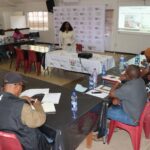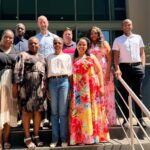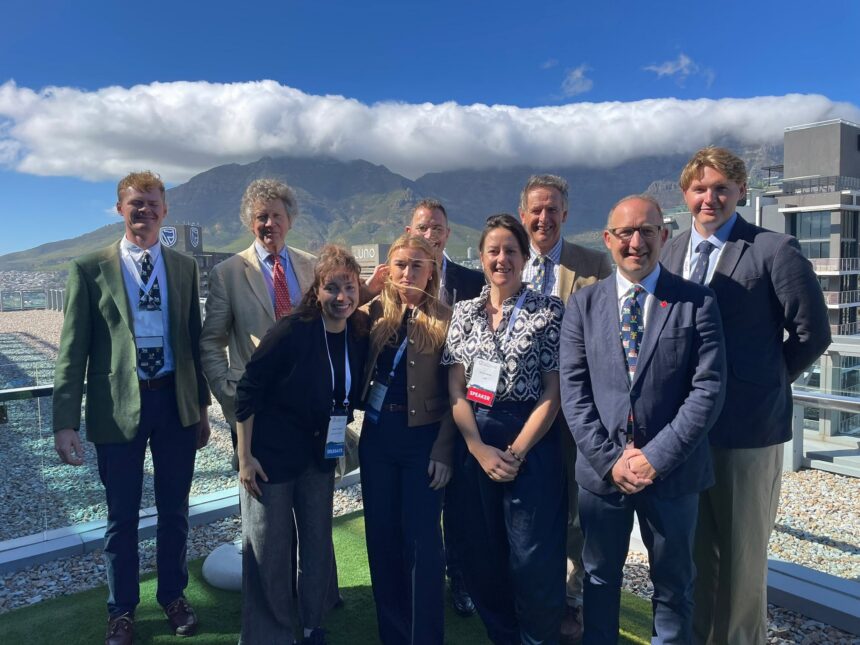
South Africa’s agricultural diversity took centre stage as 60 international delegates explored the Western Cape’s farming, education, livestock breeding and agricultural innovation ahead of the 31st Commonwealth Agriculture Conference. The three-day pre-conference tour, held from 29 to 31 October, introduced representatives from across the Commonwealth to 12 destinations showcasing the region’s agricultural strengths and heritage. Hosted by Agri-Expo in partnership with the Royal Agricultural Society of the Commonwealth (RASC), the programme highlighted how established farming traditions, specialist expertise and modern production methods contribute to a changing agricultural sector. The conference marks the first time this prestigious gathering has been held in Cape Town, creating an opportunity to connect South African agricultural experience with international perspectives. The event also carries particular significance for Agri-Expo, South Africa’s oldest agricultural society, which celebrates its 195th anniversary in 2026.
The story of Agri-Expo dates back to 1831, when farmers at the southern tip of Africa gathered to compare their produce, exchange knowledge and learn from one another. That tradition of cooperation remains relevant today as farmers and agricultural organisations face changing market demands, environmental pressures and the need to improve food production. Agricultural societies have long provided spaces where producers can showcase their achievements, discover new ideas and build relationships across the industry. Over time, these gatherings have developed into platforms for education, commercial engagement and public awareness of agriculture. Agri-Expo’s involvement in the Commonwealth conference reflects the continued importance of these connections in supporting agricultural development across generations.
Welcoming international agricultural leaders to the Western Cape also provides an opportunity to demonstrate the range of activities that contribute to South Africa’s agricultural economy. The region is known for its diverse agricultural production, including grain farming, fruit cultivation, wine production and livestock breeding. Agricultural education, conservation and the development of young people also form part of the wider picture. By visiting different destinations, delegates could gain a broader understanding of how these activities operate within the region’s agricultural landscape. The tour offered a practical introduction to the people, institutions and businesses that help sustain agricultural production and rural communities.
Breyton Milford, General Manager of Agri-Expo, a Trustee of the RASC and organiser of the tour, said hosting delegates from across the Commonwealth was a proud moment for the organisation. Having attended RASC conferences in different parts of the Commonwealth, including the United Kingdom, Canada and Singapore, Agri-Expo welcomed the opportunity to bring fellow agricultural societies and industry leaders to the Western Cape. The gathering creates opportunities to share South African experiences while learning from organisations operating in different agricultural environments. It also reinforces the value of maintaining international relationships within a sector that supports food production, employment and rural livelihoods. For Agri-Expo, the event connects a long history of agricultural knowledge-sharing with the needs and opportunities of modern farming.
Milford emphasised that agriculture extends beyond the production of food and other agricultural commodities. It involves people, families, communities and generations of knowledge developed through experience and passed on over time. At the same time, farming must respond to changing conditions, adopt appropriate innovations and identify new opportunities for growth. This balance between tradition and adaptation was reflected in the destinations selected for the pre-conference tour. The programme demonstrated that agricultural progress depends on preserving valuable knowledge while remaining open to new approaches and technologies.
The 12 destinations highlighted different aspects of the Western Cape’s agricultural sector, from established farming operations to specialised livestock breeding and agricultural training institutions. These visits illustrated how knowledge, experience and innovation contribute to the development of resilient agricultural businesses. Family farms continue to draw on generations of practical experience while adapting their production systems and exploring opportunities to diversify. Specialist breeders contribute to livestock improvement through their focus on breeding and genetics, while agricultural schools help prepare young people for careers in the sector. Together, these examples showed delegates that agricultural development involves a broad network of skills, businesses and institutions.
Agricultural education was an important part of the tour because the future of farming depends on developing the next generation of skilled producers and industry professionals. Training institutions help young people gain the practical knowledge and technical capabilities required for agricultural careers. These skills are relevant across a wide range of activities, including crop production, livestock management, agricultural business operations and resource management. Education also helps prepare future farmers to respond to new technologies and changing production requirements. By including educational institutions in the programme, the tour highlighted the importance of investing in people as part of a long-term approach to agricultural development.
The programme also demonstrated how established farms can adapt to changing circumstances through diversification and improvements to their production systems. Agricultural businesses operate in an environment influenced by weather conditions, input costs, market access and evolving consumer expectations. Diversification can provide opportunities to broaden income sources, although its suitability depends on the farm’s resources, skills and market conditions. Farmers must continually assess their operations and determine which approaches best support their long-term objectives. The examples presented during the tour highlighted the value of combining practical farming experience with a willingness to explore new opportunities.
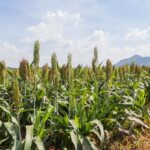
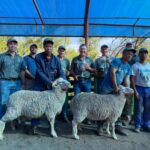
Livestock breeding and grain production provided further insight into the specialised knowledge required across different agricultural sectors. Livestock breeding involves careful attention to animal characteristics and genetics, with breeding decisions influencing herd development over time. Grain production, meanwhile, requires decisions about planting, crop management, harvesting and the efficient use of resources. Each activity presents its own technical and commercial challenges, requiring producers to combine experience with sound management practices. Exposure to these different operations helped illustrate the complexity of modern agriculture and the expertise required to maintain productive farming businesses.
The Western Cape’s wine and fruit industries also formed part of the tour, demonstrating the diversity of agricultural products associated with the region. These industries depend on production expertise, quality management and effective connections between farming operations and markets. Wine production involves a value chain that extends from vineyard management to processing and commercial distribution, while fruit production requires careful attention to crop quality, harvesting and handling. Both sectors illustrate how agricultural production can be linked to specialised processing and market development. Their inclusion broadened delegates’ understanding of the different ways agricultural businesses create value from primary production.
Conservation was another element of the programme, reflecting the relationship between agricultural activity and the management of natural resources. Farmers depend on land, water and healthy ecosystems to maintain productive operations over time. Responsible resource management can help protect the environmental foundations on which agricultural businesses rely. The practical challenge is to balance production needs with appropriate stewardship of the natural environment. Including conservation alongside farming and agricultural business destinations encouraged delegates to consider sustainability as part of the wider agricultural discussion.
Chris Fourie, President of Agri-Expo and Vice-President of the RASC, explained that the organisation brings together more than 50 agricultural societies across 21 Commonwealth countries. Its biennial conferences provide opportunities for members to exchange ideas, explore common challenges and consider how agricultural organisations can continue supporting farmers and their communities. Although agricultural shows remain central to the work of many member organisations, their role extends beyond organising exhibitions and competitions. They also provide platforms for discussion about food security, resilience, consumer understanding, biosecurity, leadership and the development of young people. These issues reflect the wider responsibilities of agricultural societies as the sector responds to economic, environmental and social change.
The theme of the 31st Commonwealth Agriculture Conference, “Opportunities of Change in a Connected World: From South Africa to the World,” reflects the importance of international cooperation in addressing agriculture’s changing needs. Farmers in different countries work within distinct climates, production systems and markets, yet many face related challenges. These include managing production risks, maintaining food supplies, improving sustainability and ensuring that agricultural businesses remain viable. International conferences create opportunities to compare experiences and explore approaches that may be relevant in different settings. They also allow agricultural organisations to build relationships that can support future cooperation and knowledge-sharing.
Agricultural shows remain valuable within this changing environment because they connect producers with technologies, products, services and industry expertise. They also help bring agriculture closer to the public by providing opportunities to understand how food and other agricultural products are produced. For agricultural societies, maintaining relevance means responding to the needs of farmers while engaging with wider questions about the future of the industry. This requires continued attention to education, innovation, public understanding and the practical challenges facing rural communities. The Commonwealth conference provides a setting in which these priorities can be discussed across national and organisational boundaries.
Fourie also acknowledged the contribution of the partners whose support helped make the conference possible. The participating organisations included Hollard Insure, the Western Cape Department of Agriculture, Anthonij Rupert Wyne, FNB, De Grendel Wine Estate, Fair Cape Dairies, Alltech, Absa, Mohair South Africa, Agri Wes-Kaap, Plaas Media, the South Africa National Convention Bureau and Wesgro, among others. Their involvement reflects the cooperation required to organise an international agricultural gathering and showcase the region’s capabilities. Partnerships between government, agricultural organisations and private businesses can help create opportunities for industry engagement and knowledge exchange. Such cooperation is particularly valuable when events aim to connect local experience with wider international discussions.
The three-day tour provided international delegates with a practical introduction to the Western Cape’s agricultural diversity while celebrating Agri-Expo’s longstanding contribution to South African agriculture. From historic family farms and agricultural education to livestock breeding, grain production, wine, fruit and conservation, the programme demonstrated that the sector relies on a wide range of people, skills and enterprises. The 31st Commonwealth Agriculture Conference builds on this experience by creating space for broader discussions about innovation, resilience, food security and the future of agricultural societies. As Agri-Expo celebrates 195 years of service in 2026, its role in hosting the gathering highlights the continuing value of shared knowledge and international cooperation. By bringing agricultural leaders together, the conference helps strengthen relationships that can support farmers, rural communities and the agricultural sector for generations to come.
Join 'Farmers Mag' WhatsApp Channel
Get the latest Farming news and tips delivered straight to your WhatsApp
CLICK HERE TO JOIN