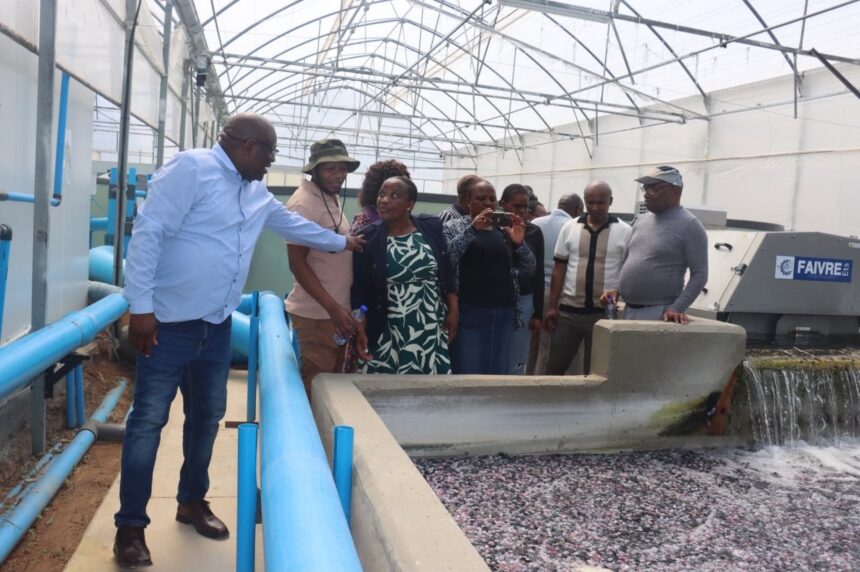
Stakeholders from government, academic institutions and the private sector are working together to strengthen sustainable aquaculture, improve food security and create economic opportunities in South Africa. These efforts were highlighted during a stakeholder engagement at the Dohne Agriculture and Rural Development Institute in Stutterheim, where delegates explored ways to maximise the potential of an aquaculture Demonstration Facility. The initiative aims to promote sustainable food production, build resilience and expand opportunities for farmers, students and other participants in the aquaculture sector. The Department of Forestry, Fisheries and the Environment (DFFE), alongside other stakeholders, recognised the importance of collaboration in developing the facility into a practical centre for training, knowledge sharing and skills development. The engagement also focused on identifying the technical support, funding arrangements and partnerships needed to help the facility contribute more effectively to aquaculture development in the province.
Aquaculture, which involves the farming of aquatic organisms such as fish and other aquatic species, has the potential to contribute to South Africa’s food systems and rural economic development. When managed responsibly, aquaculture can provide an additional source of food, support livelihoods and create opportunities for agricultural enterprises to diversify their production. However, developing a sustainable aquaculture sector requires more than suitable facilities and access to water. Farmers and producers also need technical knowledge, appropriate equipment, reliable inputs, sound business planning and access to markets. Collaboration between government, research institutions, training providers and private businesses can help address these needs and strengthen the conditions required for long-term growth.
The stakeholder visit to the Dohne Agriculture and Rural Development Institute provided an opportunity to examine the Demonstration Facility and consider how it could support aquaculture development. Delegates from the Department of Forestry, Fisheries and the Environment and other participating organisations expressed strong interest in the facility’s potential to advance training and practical learning. The demonstration site offers an opportunity to connect theoretical knowledge with the practical requirements of aquaculture production. Through structured training and technical guidance, farmers and students can gain a better understanding of the methods, resources and management practices required to operate aquaculture systems. The discussions focused on how coordinated support could help the facility reach its maximum capacity and serve a wider group of learners and producers.
A key priority identified during the engagement was the need to strengthen the facility’s ability to train farmers and students. Practical training is essential for building the skills required to manage aquaculture operations, maintain production systems and respond to common challenges. Students can benefit from exposure to real production environments, while existing and aspiring farmers can use training opportunities to improve their knowledge and evaluate the feasibility of establishing or expanding aquaculture enterprises. A well-supported demonstration facility can also provide a space for knowledge exchange between technical experts, educators and producers. By connecting training with practical experience, stakeholders can help prepare participants to make informed decisions and adopt suitable production methods.
The discussions also highlighted the importance of technical support in ensuring that the Demonstration Facility operates effectively. Aquaculture requires careful attention to water quality, fish health, feeding practices, stocking levels and the maintenance of production equipment. Without adequate technical guidance and operational support, training facilities may struggle to deliver consistent learning opportunities or demonstrate reliable production practices. Stakeholders therefore considered how their respective expertise and resources could be combined to address the facility’s needs. Strong technical partnerships could help improve its operational capacity, strengthen training programmes and support the development of aquaculture skills among farmers and students.
Integrated funding was another important consideration during the stakeholder deliberations. Establishing and maintaining a functional aquaculture training facility can require investment in equipment, infrastructure, training materials, technical expertise and day-to-day operations. Coordinating financial support from suitable partners could help align these needs with the facility’s development priorities. Government departments, academic institutions and private sector organisations may each have different resources and areas of expertise to contribute, depending on their mandates and available funding. A coordinated approach can help stakeholders identify shared priorities, avoid fragmented interventions and make better use of available resources. Any funding arrangements would need clear objectives, defined responsibilities and appropriate accountability measures to support the facility’s long-term sustainability.
The involvement of academic institutions and training experts is also important for developing a stronger aquaculture sector in the province. Academic partners can contribute research, technical knowledge and training approaches that respond to the needs of farmers and emerging producers. Experts in feeding and aquaculture training can help participants understand production requirements and improve their ability to manage farming systems. Private sector partners may contribute industry knowledge, equipment-related expertise and insights into the commercial considerations associated with aquaculture. When these contributions are coordinated, the facility can become a stronger link between education, practical production and business development. Such cooperation can also help identify skills gaps and ensure that training remains relevant to the realities faced by aquaculture enterprises.
The stakeholder engagement further emphasised the value of cooperation between government, businesses and producers in building a sustainable aquaculture industry. Government institutions can help coordinate development priorities and support relevant programmes, while academic institutions can contribute research and skills development. Private businesses can provide commercial perspectives and potential opportunities for cooperation, while farmers and producers can share practical experiences and identify the challenges they face in the field. Each group brings a different perspective, making collaboration important when developing solutions that address both production and market needs. A coordinated partnership can help create a more supportive environment for aquaculture enterprises, particularly those seeking to enter the sector or expand their operations.
The commitment made by stakeholders to assist the facility’s growth in aquaculture development represents an important step towards formalising this cooperation. Participants also discussed drafting a memorandum of understanding, commonly known as an MoU, to guide collaboration around shared needs and objectives. An MoU can provide a framework for setting out areas of cooperation, clarifying the roles of participating organisations and identifying the support each partner may be able to provide. It can also help establish common priorities for technical assistance, training, resource mobilisation and knowledge exchange. The effectiveness of such an agreement will depend on clear commitments, realistic targets and continued engagement among the participating stakeholders. The proposed MoU therefore offers a potential foundation for turning the discussions into coordinated action, although its impact will depend on the arrangements ultimately agreed upon and implemented.
Sustainable aquaculture also has wider implications for food security and rural development in South Africa. By strengthening local production capacity, aquaculture can contribute to food availability and provide opportunities for communities to participate in food production and related economic activities. Training and technical support can help farmers develop the knowledge needed to operate responsibly and improve production management. However, long-term success also depends on reliable access to markets, suitable infrastructure, affordable inputs and sound business practices. Aquaculture development must therefore consider the entire production chain, from establishing and managing farming systems to ensuring that harvested products can reach consumers safely and efficiently. Partnerships that address these interconnected needs can help build a more resilient food system while creating opportunities for agricultural development.
The work taking place at the Dohne Agriculture and Rural Development Institute in Stutterheim highlights the importance of bringing different stakeholders together to advance sustainable aquaculture. The interest shown in the Demonstration Facility, combined with discussions on technical support, integrated funding, training and a proposed memorandum of understanding, reflects a shared intention to strengthen the facility’s contribution to aquaculture development in the province. Continued cooperation could help expand practical learning opportunities for farmers and students while supporting the growth of aquaculture enterprises and related economic activities. By aligning resources, expertise and development priorities, the participating organisations have an opportunity to help address skills gaps and improve the sustainability of local food production. Turning these commitments into practical programmes will be essential to building a stronger aquaculture sector that supports food security, rural livelihoods and inclusive economic growth in South Africa.
Join 'Farmers Mag' WhatsApp Channel
Get the latest Farming news and tips delivered straight to your WhatsApp
CLICK HERE TO JOIN