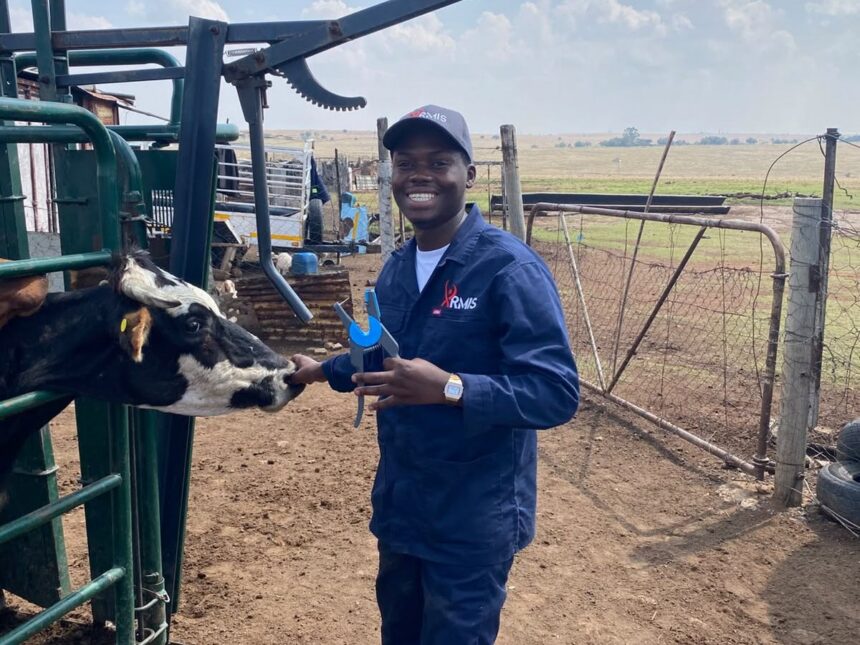
South Africa is making significant progress in strengthening livestock health, animal identification and traceability as efforts to manage Foot-and-Mouth Disease (FMD) continue across the agricultural sector. Red Meat Industry Services (RMIS) has distributed 251,499 Industry Traceability Tags (ITTs) and supported the vaccination of 206,277 cattle, sheep, goats and pigs. These figures represent an important step towards improving disease management, supporting livestock farmers and strengthening the country’s ability to trace animals throughout the agricultural value chain. Beyond the numbers, the initiative provides farmers with practical tools to improve compliance with animal identification requirements and build more reliable livestock records. By combining animal vaccination, identification and digital record-keeping, the industry is working towards a more resilient livestock sector that can better protect animal health and support access to markets.
Foot-and-Mouth Disease remains an important concern for South Africa’s livestock industry because of its potential impact on animal movement, farming operations and agricultural trade. The highly contagious viral disease affects cloven-hoofed animals, including cattle, sheep, goats and pigs. It can spread rapidly between susceptible animals and create serious management challenges for farmers and the broader livestock sector. Although the disease does not normally pose a food safety risk to humans, outbreaks can have significant economic consequences. Farmers may face restrictions on livestock movement, disruptions to sales and additional costs associated with disease control measures. Effective disease management therefore requires cooperation between government, industry organisations, veterinarians, animal health professionals and livestock producers.
The vaccination of 206,277 animals represents an important contribution to ongoing Foot-and-Mouth Disease management efforts. Vaccination is a key disease control tool because it helps reduce the risk of infection and can limit the severity and spread of disease when used as part of an appropriate control programme. However, vaccination alone cannot eliminate all risks associated with FMD. It must form part of a broader animal health strategy that includes disease surveillance, movement controls, biosecurity measures and proper record-keeping. Farmers also need to follow veterinary guidance regarding vaccination schedules, animal identification and reporting procedures. A coordinated approach helps improve the effectiveness of disease control interventions and protects livestock populations across different farming systems.
Alongside vaccination efforts, RMIS has distributed 251,499 Industry Traceability Tags to support improved livestock identification. Animal identification is an essential component of effective livestock management because it allows individual animals to be recognised and linked to relevant farm records. Reliable identification can help farmers maintain accurate information about their herds, including animal movements, health interventions and other management activities. This information becomes particularly important when authorities need to investigate suspected disease cases or trace animals that may have been exposed to an infectious disease. Without reliable identification systems, tracing livestock through complex supply chains can become difficult and time-consuming. Industry Traceability Tags therefore contribute to building a more organised and accountable livestock production system.
Livestock traceability refers to the ability to follow animals through different stages of production, movement and marketing. It helps establish where animals originate, where they have moved and which farms or facilities they have passed through. This information is particularly valuable during disease outbreaks because it can help animal health authorities identify potential sources of infection and determine which animals may have been exposed. Effective traceability can also support the implementation of targeted disease control measures, reducing the need for unnecessary restrictions where reliable information is available. For farmers, accurate livestock records can improve herd management and provide greater transparency when selling animals. A stronger traceability system can therefore benefit individual producers while contributing to confidence across the wider livestock industry.
The introduction and distribution of Industry Traceability Tags also highlight the growing importance of compliance in modern livestock farming. Animal identification requirements form part of broader efforts to improve disease control and ensure responsible livestock management. Farmers who maintain accurate identification and movement records are better positioned to demonstrate compliance with applicable requirements. This can become increasingly important when animals are moved between farms, sold through livestock auctions or supplied to formal processing and marketing channels. Reliable records can also help resolve questions about animal origin and movement history. As traceability systems become more established, farmers will need to understand how to use identification tools correctly and maintain the information associated with their livestock.
Digital record-keeping adds another important dimension to animal traceability. Traditional livestock records can be difficult to maintain and update, particularly for farmers managing large herds or multiple production activities. Digital systems can make it easier to store, retrieve and share relevant animal information when needed. When linked to reliable identification systems, digital records can help create a clearer picture of livestock movements and health management activities. This information can support veterinary investigations, disease surveillance and farm-level decision-making. However, the effectiveness of digital traceability depends on accurate data capturing, consistent record updates and the participation of farmers across the livestock value chain.
For emerging and communal livestock farmers, access to animal identification tools and vaccination support can be particularly valuable. Many smallholder producers face challenges related to the cost of veterinary services, access to animal health information and the resources required to maintain effective livestock management systems. These limitations can make it more difficult to implement consistent disease prevention and traceability practices. Programmes that provide practical support can help reduce some of these barriers and encourage greater participation in national animal health initiatives. Improved identification also gives farmers an opportunity to develop better records of their livestock assets. This can support more informed decisions about breeding, sales, animal health and overall herd management.
The benefits of improved traceability extend beyond disease control and farm management. Livestock buyers, processors and other value chain participants need confidence in the origin and health status of animals entering commercial markets. Reliable animal identification and movement records can help strengthen transparency and accountability throughout the supply chain. These systems are particularly relevant to efforts aimed at improving the competitiveness of South Africa’s red meat industry. Buyers increasingly operate in markets where animal health assurance, product quality and traceability are important considerations. Although traceability alone does not guarantee market access, it can contribute to the systems and confidence needed for effective participation in formal markets.
The progress achieved through the distribution of Industry Traceability Tags and vaccination support reflects cooperation between several important stakeholders. RMIS has acknowledged the contributions of the FirstRand Empowerment Foundation, Kagiso Trust, state veterinarians, animal health technicians and livestock farmers. Each of these participants plays a role in strengthening animal health and supporting the implementation of livestock management initiatives. Funding and institutional support help make resources available, while veterinarians and animal health technicians provide essential professional and technical assistance. Farmers are equally important because successful disease control and traceability depend on their participation and commitment at farm level. Without cooperation across these groups, even well-designed animal health programmes would struggle to achieve lasting results.
State veterinarians and animal health technicians remain particularly important in supporting livestock producers during disease management activities. Their work includes providing animal health guidance, assisting with vaccination programmes, monitoring livestock health and helping farmers understand appropriate disease prevention measures. They also contribute to surveillance activities and the implementation of veterinary interventions. Their direct engagement with farming communities helps ensure that animal health information reaches producers who need it. By working alongside farmers, these professionals can encourage early reporting of suspicious symptoms and improve awareness of biosecurity practices. Their contribution is essential to maintaining a coordinated response to livestock diseases and protecting the agricultural economy.
Farmers also have an important responsibility in protecting their animals and supporting national disease control efforts. Good biosecurity practices include controlling access to livestock areas, managing contact between herds and maintaining appropriate hygiene around animal facilities. Farmers should also monitor their animals regularly and report unusual symptoms or suspected disease cases to the relevant veterinary authorities. Livestock movement records should be kept accurately and updated whenever animals are bought, sold or transferred. Following veterinary instructions and applicable movement requirements can help reduce the risk of disease spreading between farms and communities. These everyday management practices are an important part of building a healthier and more resilient livestock industry.
The distribution of more than 251,000 traceability tags and support for the vaccination of over 206,000 animals demonstrate the value of coordinated investment in South Africa’s livestock sector. These achievements provide a foundation for stronger animal identification, improved disease management and more reliable livestock records. However, maintaining progress will require continued vaccination efforts, consistent traceability practices and ongoing farmer education. The industry must also ensure that identification systems are used correctly and that digital information remains accurate and accessible. Strong partnerships between government, industry organisations, funding partners and farming communities will remain essential. Long-term success depends on making animal health and traceability an established part of everyday livestock management rather than treating them as temporary responses to disease outbreaks.
South Africa’s progress in livestock vaccination and traceability is an encouraging development for farmers and the wider agricultural industry. RMIS’s distribution of 251,499 Industry Traceability Tags and support for the vaccination of 206,277 cattle, sheep, goats and pigs represent meaningful contributions to ongoing Foot-and-Mouth Disease management efforts. More importantly, these interventions are helping farmers strengthen compliance, improve livestock records and participate in a more transparent agricultural value chain. The contributions of the FirstRand Empowerment Foundation, Kagiso Trust, state veterinarians, animal health technicians and farmers demonstrate what can be achieved through collaboration. Continued investment in animal health, identification and digital record-keeping will be vital to protecting livestock assets, supporting market confidence and building a sustainable South African livestock industry.
Join 'Farmers Mag' WhatsApp Channel
Get the latest Farming news and tips delivered straight to your WhatsApp
CLICK HERE TO JOIN