South Africa has taken another step towards addressing historical land inequalities and strengthening rural economic development with the launch of the Integrated Land Reform and Rural Development Support Programme (ILRRDSP). The programme, officially launched by the Minister of Land Reform and Rural Development, Mzwanele Nyhontso, on 26 October 2026 at Nywarha Village under the Mbhashe Local Municipality in the Eastern Cape, aims to provide land reform beneficiaries with the resources and support needed to turn agricultural land into productive and sustainable economic assets. With an overall allocation of R2 billion, the initiative seeks to address one of the longstanding challenges facing land reform in South Africa, ensuring that beneficiaries receive meaningful support after gaining access to land. The programme brings together funding, technical assistance, agricultural infrastructure, skills development and market access within a coordinated support system. Its broader objective is to help rural communities move beyond land ownership towards sustainable livelihoods, productive enterprises and greater economic participation.
The launch took place under the theme, “From Land Access to Sustainable Livelihoods: Empowering Rural Communities through Integrated Support”. It was attended by Cabinet colleagues, Members of the Executive Council, local political representatives, traditional leaders, land reform beneficiary farmers, government officials and members of the community. The gathering highlighted the importance of coordinated government support in ensuring that land reform delivers practical economic benefits to rural communities. For many beneficiaries, obtaining land is only the beginning of a much longer process that requires investment, infrastructure, technical knowledge and access to reliable markets. Without these elements, agricultural land can remain underutilised and its potential to create jobs and generate income may not be fully realised. The ILRRDSP is designed to address these interconnected challenges through a more coordinated approach to rural development.
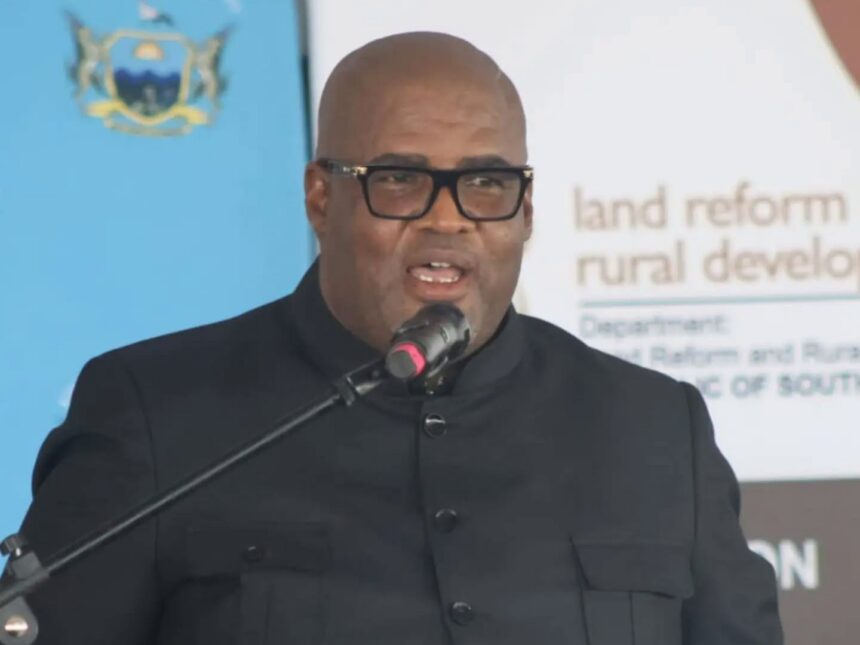
Speaking at the launch, Minister Nyhontso emphasised that land reform must go beyond transferring ownership and provide beneficiaries with the means to use their land productively. He argued that returning land without comprehensive support would fail to address the wider consequences of historical dispossession. The Minister stated that land without the resources required for productive use could perpetuate existing inequalities rather than create new economic opportunities. He described the new programme as a commitment to ending the practice of transferring land to beneficiaries without providing the support needed to develop it. His message placed agricultural productivity, economic independence and sustainable livelihoods at the centre of the government’s land reform approach. The programme therefore seeks to connect land ownership with the practical requirements of building viable farming and rural enterprises.
The Minister also highlighted the historical impact of colonialism and apartheid on African communities, explaining that dispossession involved much more than the loss of agricultural land. According to Nyhontso, communities also lost cattle, labour, cultural dignity and important sources of economic opportunity. Livestock, particularly cattle, traditionally represented a significant form of wealth and economic capital for many African households. Losing access to cattle and other productive assets weakened communities’ ability to sustain their livelihoods and participate in economic activity. The Minister argued that meaningful land reform must therefore recognise the broader economic consequences of historical dispossession. The ILRRDSP is intended to contribute to addressing these challenges by supporting beneficiaries with the resources and partnerships required to rebuild productive rural economies.
For the current financial year, the Department of Land Reform and Rural Development has allocated R1.2 billion to the programme from its overall R2 billion funding commitment. The allocation will be distributed across all nine provinces, with provincial amounts ranging from R100 million to R170 million. The distribution takes into consideration each province’s share of landholdings. This funding is intended to support development initiatives that help land reform beneficiaries establish and improve productive enterprises. The programme’s financial support is particularly important for farmers who require assistance with machinery, infrastructure, production inputs and technical services. By directing resources towards these needs, the department aims to improve the productive use of land and strengthen the economic contribution of rural communities.
The programme operates within several existing legislative frameworks that guide land reform and rural development in South Africa. These include the Provision of Land and Assistance Act of 1993, the Restitution of Land Rights Act of 1994, the Extension of Security of Tenure Act of 1997 and the Labour Tenants Act of 1996. Together, these laws provide the legislative basis for different aspects of land reform, tenure security, restitution and development assistance. They also enable the department to provide grants and subsidies, support land development and facilitate training and capacity-building initiatives. The use of these frameworks allows the programme to connect financial and technical support with the department’s existing land reform responsibilities. This is important because beneficiaries often require assistance that extends beyond the initial process of acquiring or reclaiming land.
One of the central features of the ILRRDSP is its integrated approach to government support. Historically, beneficiaries could find themselves moving between different departments and institutions to access funding, technical advice, infrastructure assistance and other services. This fragmented process can create delays and make it difficult for farmers to understand which support programmes are available to them. The new programme seeks to reduce these administrative barriers by bringing different forms of assistance together within a coordinated system. Minister Nyhontso explained that the department wants beneficiaries to enter one support process and leave with a clear pathway towards funding, technical guidance, infrastructure development and market access. The intention is to improve coordination between institutions and make government assistance more accessible to land reform beneficiaries.
Financial partnerships will play an important role in implementing the programme. The department is strengthening its relationship with development finance institutions to expand access to funding and improve the preparation of rural development projects. The Development Bank of Southern Africa (DBSA) will provide transactional advisory services, while engagements with the Industrial Development Corporation (IDC), other development finance institutions and commercial banks will be deepened. These partnerships are intended to support blended finance arrangements that combine different funding sources to make projects more viable. Minister Nyhontso also confirmed that R500 million had already been committed through the Land Bank for a blended finance scheme. This funding arrangement is expected to contribute to improving access to finance for qualifying agricultural and rural development initiatives.
The involvement of the Land Bank is particularly relevant to farmers who need capital to establish, expand or modernise their operations. Access to finance can help agricultural businesses purchase equipment, acquire production inputs, improve infrastructure and manage the costs associated with farming. However, financing alone is not enough to guarantee a successful agricultural enterprise. Farmers also need sound business plans, technical support, suitable production systems and reliable markets for their products. Blended finance can help address some of the funding challenges associated with rural development projects by bringing together different sources of capital. The programme’s partnerships with financial institutions are therefore intended to connect funding with the practical requirements of productive and sustainable enterprises.
The department is also placing emphasis on catalytic industries that can stimulate employment, strengthen supply chains and create demand within rural economies. Agriculture, tourism and manufacturing have been identified as important anchor sectors for this approach. While agriculture remains a central component of land reform development, the programme recognises that rural economic growth requires opportunities across several industries. Tourism enterprises can create income through community-owned businesses and the development of local attractions, while manufacturing can support the processing of raw materials and the establishment of smaller production facilities. These activities can create additional markets for local producers and encourage greater economic activity within rural areas. By supporting different industries, the ILRRDSP aims to build more diverse rural economies that are not dependent on a single source of income.
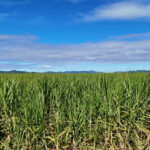
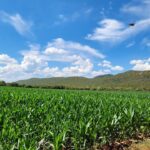
For agricultural beneficiaries, the programme will provide support that includes tractors, seeds, irrigation infrastructure and modern farming technology. These resources can help farmers improve land preparation, establish crops and manage their production activities more efficiently. Irrigation infrastructure is particularly important in areas where agricultural production depends on reliable water supplies and rainfall patterns are uncertain. Access to appropriate machinery can also reduce the time and labour required for certain farming operations. However, the effective use of these resources will depend on proper planning, maintenance and technical guidance. Farmers will need to manage their equipment and production inputs carefully to ensure that government support contributes to lasting improvements in productivity.
Infrastructure development forms another important part of the programme. Rural farmers often face challenges associated with poor access roads, limited storage facilities and inadequate digital connectivity. These constraints can increase transportation costs, affect the quality of agricultural produce and make it difficult for farmers to reach potential buyers. Improving access roads can help connect farms with markets and processing facilities, while suitable storage infrastructure can reduce post-harvest losses. Digital connectivity can also improve access to agricultural information, financial services and market opportunities. By including these infrastructure needs in its support framework, the ILRRDSP recognises that successful farming depends on more than land and production inputs.
Agro-processing is another area that could create opportunities for land reform beneficiaries. Processing agricultural products closer to where raw materials are produced can help rural communities participate in more stages of the agricultural value chain. Instead of selling only unprocessed produce, farmers and community enterprises may have opportunities to develop products that are ready for different markets. Small agro-processing plants can also create employment and stimulate demand for locally produced agricultural commodities. The programme’s emphasis on facilities located near sources of raw materials is intended to support this type of rural economic activity. Developing these opportunities will require appropriate infrastructure, business management skills, technical expertise and access to customers.
The ILRRDSP is designed to benefit a broad range of land reform participants. These include individual households, Communal Property Associations (CPAs), commonage farmers, agricultural cooperatives and producer groups. Restitution communities will also be supported through access to capital, expertise and partnerships intended to make reclaimed land productive. This approach acknowledges that land reform beneficiaries operate under different ownership arrangements and have different development requirements. A communal property association, for example, may need support to manage a shared agricultural enterprise, while an individual farmer may require machinery, production finance or technical advice. Recognising these differences is important for ensuring that support responds to the specific needs of each beneficiary group.
Women, young people, military veterans and farmworkers have been identified as priority groups under the programme. Their inclusion reflects the importance of expanding economic opportunities among communities that have historically faced barriers to land ownership and agricultural participation. Young farmers need access to productive resources, training and markets to establish sustainable businesses and develop long-term careers in agriculture. Women farmers also require opportunities to access finance, infrastructure and technical services on fair terms. Farmworkers and military veterans can benefit from development support that creates pathways towards greater participation in agricultural production and rural enterprises. The programme also places deliberate emphasis on communal areas, with the Minister stressing that communal farmers must be recognised as important participants in land reform.
The focus on communal farmers is particularly significant because communal agricultural land supports many rural households and livestock production systems. These areas often have considerable agricultural potential, but development can be limited by infrastructure shortages, resource constraints and challenges associated with collective land management. Support for communal farmers can help improve agricultural activities while strengthening local economic participation. It can also create opportunities for cooperatives and producer groups to work together, share resources and access markets. However, successful communal projects require clear management arrangements, accountability and cooperation among beneficiaries. The programme’s emphasis on integrated support provides an opportunity to address these needs alongside financial and technical assistance.
The department has already begun the process of identifying beneficiaries for development support. Its first call for expressions of interest and applications was issued in September 2026. Applications for the current production season, together with assessments of infrastructure requirements, are now being evaluated. These assessments will help the department determine the support required by applicants and consider the development needs of their projects. Minister Nyhontso acknowledged that applicants need certainty and indicated that the department intends to accelerate decisions and communicate outcomes promptly. He also assured beneficiaries that approved applicants should receive support without unnecessary delays. The evaluation process will therefore be an important step in translating the programme’s objectives and budget allocations into practical assistance on the ground.
The launch of the ILRRDSP also highlighted the importance of moving from policy commitments towards implementation. The Minister referred to a sod-turning event held with the DBSA two weeks before the launch as evidence that work was already progressing. This engagement forms part of the department’s efforts to establish partnerships that can support the delivery of rural development projects. Implementation will require coordination between national and provincial government structures, financial institutions, technical service providers and beneficiary communities. It will also require clear project planning and monitoring to ensure that resources reach their intended beneficiaries. The programme’s success will ultimately depend on whether the support provided results in productive land, viable businesses, employment opportunities and improved rural livelihoods.
For farmers and rural communities, the significance of the programme will be measured by the opportunities it creates and the practical improvements it delivers. Access to land provides an important foundation for agricultural development, but productive farming also requires capital, machinery, water, infrastructure, technical knowledge and reliable markets. Bringing these elements together can help beneficiaries overcome some of the barriers that have historically limited the success of land reform projects. The inclusion of tourism and manufacturing also creates opportunities to diversify rural economies and develop additional sources of employment. A coordinated support system could help communities make better use of their land and other productive assets. Continued engagement with beneficiaries will be essential to ensure that development interventions reflect local conditions and economic priorities.
The launch of the R2 billion Integrated Land Reform and Rural Development Support Programme marks an important stage in the Department of Land Reform and Rural Development’s efforts to connect land ownership with sustainable economic development. With R1.2 billion allocated for the current financial year, the programme is designed to provide land reform beneficiaries across all nine provinces with coordinated funding, infrastructure, skills development, technical support and market access. Its focus on agriculture, tourism and manufacturing recognises the wider economic potential of rural land and communities. The involvement of the Land Bank, DBSA, IDC and other financial partners also highlights the importance of collaboration in financing rural development. As applications are evaluated and implementation progresses, the priority will be to ensure that approved projects receive the support they need to become productive and sustainable. Ultimately, the programme’s success will depend on its ability to turn land reform into meaningful economic participation, stronger farming enterprises and improved livelihoods for rural communities across South Africa.
Join 'Farmers Mag' WhatsApp Channel
Get the latest Farming news and tips delivered straight to your WhatsApp
CLICK HERE TO JOIN