Siziba Rural Farming Co-operative is strengthening local agricultural production at Gqunu Farms under the Mhlontlo Local Municipality through crop and vegetable farming. The rural enterprise has been operating since 2021 and was formally registered as a co-operative in January 2024. Its farming activities include maize production as well as vegetables such as peppers, cabbage, spinach and tomatoes. With a 10-year lease agreement in place, the co-operative has a defined period in which to develop and expand its agricultural activities. Support from the Eastern Cape Development Corporation through the Imvaba Fund has further strengthened the enterprise by providing funding for materials and labour needed to establish five greenhouses.
The development of Siziba Rural Farming Co-operative reflects the role that rural agricultural enterprises can play in local food production. Small-scale and emerging farmers contribute to food supply by producing crops and vegetables within their communities. At Gqunu Farms, the co-operative has established a mixed farming operation that includes both field crops and vegetables. This combination gives the enterprise more than one type of agricultural activity and allows it to produce a variety of food crops. The focus on vegetables also creates opportunities to increase production through improved infrastructure and protected growing facilities.
Siziba Rural Farming Co-operative began operating in 2021 before completing its formal registration as a co-operative in January 2024. The period between starting operations and formal registration reflects the development of the enterprise from an operating farming initiative into a formally registered co-operative. Formal registration provides an organisational structure through which the members can manage their agricultural activities collectively. The co-operative currently has five members, three of whom are women. Its activities also support two additional jobs, meaning its economic contribution extends beyond the five members who own and operate the co-operative.
The co-operative farms under a 10-year lease agreement, providing an established basis for its agricultural activities at Gqunu Farms. A longer-term lease can provide an important foundation for farmers who need to plan investments in infrastructure and production over several seasons. Agricultural infrastructure such as greenhouses requires resources to establish and maintain, making a secure farming arrangement important for the development of the enterprise. The lease also provides the co-operative with a period in which it can continue building its farming operations. This creates an opportunity to strengthen production capacity while developing the business over time.
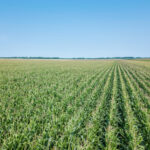
The farming operation includes maize and a range of vegetables suited to its production activities. Peppers, cabbage, spinach and tomatoes form part of the vegetable crops cultivated by the co-operative. These crops give the enterprise a diverse vegetable production base rather than relying on a single crop. Crop rotation takes place twice a year, making rotation an established part of the co-operative’s farming activities. Regular rotation allows the enterprise to plan its crop production around different planting periods while managing its available farming area across the year.
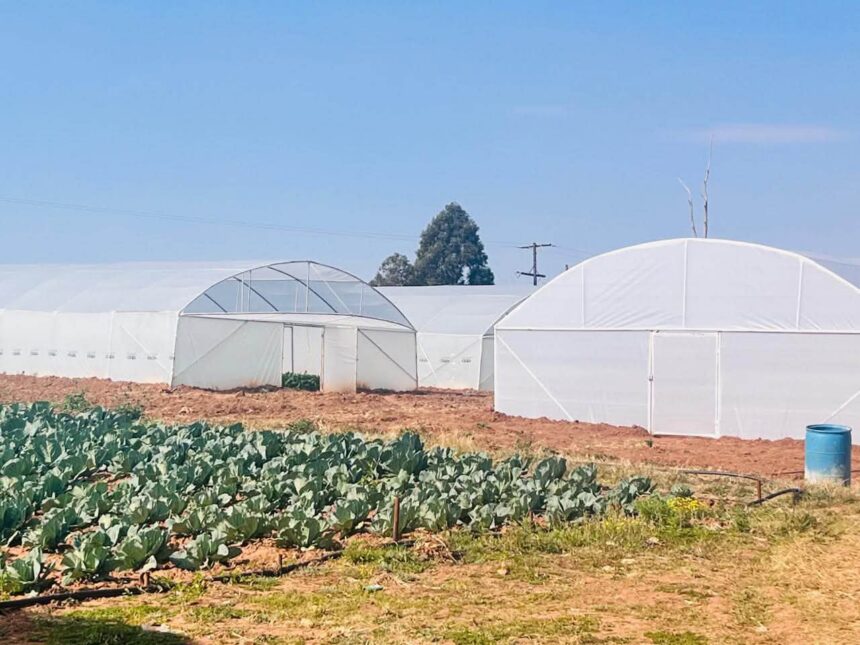
Vegetable production can require significant attention to infrastructure, labour and production planning. Greenhouses can provide a protected environment for vegetable cultivation and can increase the available capacity for growing activities. For Siziba Rural Farming Co-operative, the establishment of five greenhouses represents an important addition to its existing agricultural infrastructure. The new facilities provide greater capacity for vegetable farming and create a foundation for strengthening production. The investment also supports the co-operative’s plans to improve and expand its agricultural activities at Gqunu Farms.
The five greenhouses were established with financial support from the ECDC through the Imvaba Fund. The ECDC provided R235,858.59 towards materials and labour for the establishment of the greenhouses. This funding addressed two important requirements involved in developing the infrastructure, namely the materials needed for construction and the labour required to establish the facilities. The investment has strengthened the physical infrastructure available to the co-operative. It has also given the enterprise greater capacity to pursue expanded vegetable production.
The support from the Imvaba Fund demonstrates how targeted financial assistance can contribute to the development of rural agricultural enterprises. For a small farming co-operative, establishing several greenhouses can represent a significant infrastructure requirement. Financial support can help reduce some of the barriers associated with establishing production facilities and allow farmers to invest in infrastructure that they may otherwise struggle to develop. In the case of Siziba Rural Farming Co-operative, the funding was directed specifically towards materials and labour for the five greenhouses. The resulting infrastructure provides additional productive capacity for the co-operative’s vegetable farming activities.
The co-operative’s five members form the core of the enterprise, with women making up three of the five members. The participation of three women in the co-operative demonstrates the role of women within this rural agricultural business. Farming enterprises can provide opportunities for members to participate directly in production, management and income-generating activities. The co-operative structure allows the members to work collectively around shared agricultural activities and resources. In addition to its membership, the enterprise has retained two additional jobs, expanding its contribution to employment in the surrounding community.
Employment creation is an important part of the contribution made by rural agricultural enterprises. While Siziba Rural Farming Co-operative has five members, its activities have also supported two additional jobs. These jobs demonstrate that the economic reach of the enterprise extends beyond its direct membership. As the farming operation develops, stronger production capacity can support the continuation of agricultural activities and related employment opportunities. The combination of food production and job retention gives the co-operative a role in both the local agricultural economy and the wider community.
The co-operative’s focus on maize and vegetables also contributes to local food production. Growing crops close to rural communities can support agricultural activity within the local economy and provide opportunities for farmers to produce food on available land. The range of vegetables grown by Siziba Rural Farming Co-operative includes crops that require different production and management practices. This diversity can support the co-operative’s approach to agricultural planning and crop rotation. The addition of greenhouse infrastructure further strengthens its capacity to develop vegetable farming as an important part of its operation.
The establishment of five greenhouses provides the co-operative with an opportunity to build on its existing farming activities. Protected production infrastructure can support more structured vegetable farming and provide additional growing space. For Siziba Rural Farming Co-operative, the investment is part of an ongoing process of developing its production capacity under its 10-year lease agreement. The greenhouses do not replace the co-operative’s maize production or existing vegetable activities. Instead, they add infrastructure that can support its efforts to improve and expand vegetable farming at Gqunu Farms.
The experience of Siziba Rural Farming Co-operative also illustrates the importance of combining agricultural initiative with appropriate financial support. The co-operative had already been operating since 2021 before it was formally registered in 2024. The ECDC’s R235,858.59 contribution through the Imvaba Fund subsequently supported the establishment of five greenhouses. This sequence shows how an existing rural farming enterprise can strengthen its operations through targeted investment in infrastructure. The support has helped the co-operative build greater capacity while continuing its contribution to local food production and employment.
Siziba Rural Farming Co-operative is building its agricultural activities at Gqunu Farms through a combination of crop production, vegetable farming, infrastructure development and community employment. Its operation includes maize, peppers, cabbage, spinach and tomatoes, with crop rotation taking place twice a year. The co-operative has five members, including three women, and has retained two additional jobs within the enterprise. Financial support of R235,858.59 from the ECDC through the Imvaba Fund has enabled the establishment of five greenhouses using funded materials and labour. With its 10-year lease agreement and strengthened production infrastructure, Siziba Rural Farming Co-operative is positioned to continue developing its farming activities while contributing to local food production and employment in the Mhlontlo Local Municipality.
Join 'Farmers Mag' WhatsApp Channel
Get the latest Farming news and tips delivered straight to your WhatsApp
CLICK HERE TO JOIN