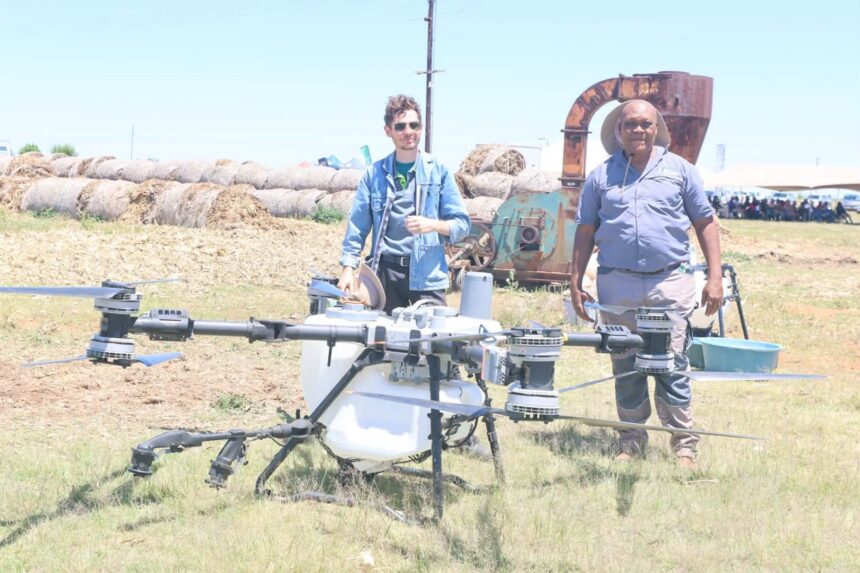
The North West Department of Agriculture and Rural Development has urged farmers to adopt adaptive and sustainable farming practices as the province officially launched its 2026 planting season at Lolwane’s Farm in Ditsobotla Local Municipality on Tuesday, 27 October 2026. The launch, held in the Ngaka Modiri Molema District, focused on helping farmers prepare for changing weather patterns, manage agricultural risks and make informed decisions for the season ahead. Under the theme, “Resilience Through Adaptation: Celebrating the Harvest While Preparing for the Next Season,” the event highlighted the importance of combining successful harvesting practices with careful planning for future production. Farmers participated in practical demonstrations and information-sharing sessions designed to strengthen their understanding of conservation agriculture, seasonal weather forecasts, the El Niño phenomenon and agricultural market conditions. The initiative emphasised that preparation, reliable information and sustainable resource management are essential to maintaining agricultural productivity and strengthening food security in the North West.
The planting season launch brought attention to the challenges farmers face as climate variability and changing market conditions influence agricultural production. Farmers depend on factors such as rainfall, soil moisture, temperature and access to agricultural inputs when deciding what to plant and when to begin planting. Unpredictable weather can complicate these decisions, particularly for producers who rely heavily on rainfall to grow their crops. Changes in market conditions can also affect the cost of production and the prices farmers receive for their harvests. By providing practical guidance and relevant agricultural information, the Department aims to help farmers prepare for these challenges and make decisions that support the sustainability of their farming operations.
Acting Head of Department, Ms Bothoboile Pule, emphasised that agricultural resilience begins with preparation and a willingness to adapt to changing conditions. She encouraged farmers to look beyond the current harvest and develop the knowledge and practical skills needed to sustain production during uncertain seasons. Pule highlighted the importance of protecting natural resources, following appropriate farming practices and using reliable agricultural information to guide decisions. She also stressed that these measures can contribute to stronger food security and a more resilient agricultural sector in the province. Her message reinforced the need for farmers to treat seasonal planning as an ongoing process rather than a task that begins only when planting time arrives.
Conservation agriculture was one of the key topics discussed during the launch, with a focus on practices that protect soil health, improve moisture retention and support long-term productivity. Healthy soil is essential for crop growth because it provides plants with nutrients, supports root development and helps regulate water availability. Farming methods that reduce unnecessary soil disturbance, maintain soil cover and encourage crop diversification can help protect soil structure and limit erosion when appropriately applied. These practices may also help farmers manage limited moisture during periods of low rainfall. However, the most suitable approach depends on local soil conditions, the crops being grown, available equipment and the resources accessible to each farming operation.
For farmers in the North West, soil and water management are particularly important considerations when preparing for a new planting season. Rainfall patterns influence planting dates, crop establishment and the amount of water available throughout the growing cycle. Farmers who monitor soil moisture and use water efficiently can make better-informed decisions about planting and crop management. Practices such as retaining crop residues, reducing unnecessary tillage and managing weeds can support moisture conservation under suitable conditions. Farmers should also seek advice from agricultural extension officers to determine which conservation agriculture methods are appropriate for their farms. Applying these practices consistently can help protect productive land and improve preparedness for difficult growing conditions.
The programme also addressed the El Niño phenomenon and the importance of understanding seasonal weather forecasts. El Niño is a climate pattern associated with changes in sea surface temperatures in the central and eastern tropical Pacific Ocean, which can influence weather patterns in different parts of the world. Its effects vary by region and season, so farmers should not assume that every El Niño event will produce the same local conditions. Seasonal forecasts can provide useful guidance on expected rainfall and temperature patterns, although they cannot predict every local weather event. Farmers are therefore encouraged to use forecasts alongside current observations, local agricultural advice and their knowledge of farming conditions. This approach can help them plan planting activities, manage available resources and prepare for possible weather-related risks.
Access to timely weather information can make a meaningful difference to agricultural planning. Farmers can use seasonal outlooks to assess whether their planned crops, planting dates and production methods remain suitable for expected conditions. Where rainfall may be limited, producers may need to consider crop varieties suited to local conditions, adjust planting schedules or review their irrigation plans where irrigation is available. Weather information can also help farmers prepare for periods of excessive rainfall, heat or other conditions that may affect crop growth. Because forecasts are updated as new information becomes available, farmers should continue monitoring developments throughout the production cycle. Combining weather information with practical agricultural advice can support better decisions and reduce avoidable risks.
The agricultural market outlook was another important part of the planting season launch. Successful farming depends not only on producing a good harvest but also on understanding demand, input costs and the conditions under which produce can be sold. Farmers who consider market requirements before planting can make more informed choices about crop selection, production volumes and expected costs. Understanding potential buyers and the prices different crops may attract can also help producers assess the financial risks associated with their plans. Market conditions can change during a growing season, so farmers need to remain flexible and review their decisions as new information becomes available. Linking production planning with market awareness can help farming businesses work towards stronger financial management and more sustainable operations.
The theme of the launch, which connected celebrating the harvest with preparing for the next season, highlighted the importance of learning from previous production cycles. Harvest results can provide useful information about crop performance, soil conditions, pest and disease problems and the effectiveness of farming methods. Reviewing these experiences can help farmers identify practices worth continuing and areas that may require adjustment. Keeping accurate records of planting dates, rainfall, input use, yields and sales can also support more effective planning. Farmers who regularly assess their results may be better equipped to identify risks and make practical changes before the next season begins. This process of reviewing, learning and adapting is an important part of building resilience in agriculture.
The Department’s call for farmers to make use of agricultural advisory services further highlighted the value of continued engagement with technical experts. Agricultural advisors can help farmers interpret seasonal forecasts, assess crop management options and identify practices suited to local production conditions. Their guidance can be particularly useful when farmers need to respond to emerging pests, diseases, changing rainfall patterns or other production challenges. Access to reliable advice can also help producers avoid decisions based on incomplete information or assumptions about weather conditions. Farmers are encouraged to remain informed about seasonal developments and consult relevant agricultural services when making important production decisions. Regular communication between farmers and agricultural officials can strengthen the practical value of training, demonstrations and other support initiatives.
The 2026 planting season launch at Lolwane’s Farm in Ditsobotla placed climate adaptation, conservation agriculture and informed decision-making at the centre of agricultural preparedness in the North West. Through the participation of farmers and the guidance shared by the Department of Agriculture and Rural Development, the event highlighted practical ways to prepare for changing weather conditions and evolving market demands. Conservation agriculture, seasonal weather information and sound production planning can help farmers manage resources and make more informed decisions throughout the growing cycle. Continued use of agricultural advisory services can also support producers as they respond to local conditions and changing risks. By embracing suitable sustainable farming practices and preparing beyond the current harvest, farmers can contribute to stronger agricultural resilience, improved food security and the long-term sustainability of the North West’s agricultural sector.
Join 'Farmers Mag' WhatsApp Channel
Get the latest Farming news and tips delivered straight to your WhatsApp
CLICK HERE TO JOIN