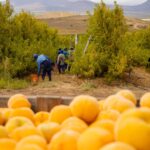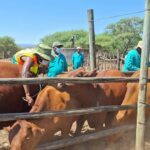
The Mpumalanga International Food Market has officially commenced operations, marking an important development for agriculture, food distribution and economic growth in the province. Farmers have already started delivering their produce to the facility, and trading activities are now underway. The market is intended to strengthen connections between agricultural producers, traders, buyers and businesses while creating more opportunities for local farmers to sell their products. Its opening also brings attention to the role of agricultural markets in supporting rural livelihoods, creating employment and improving access to markets. With operations expected to expand, the facility could become an important link between farming communities and the wider food supply chain across Mpumalanga.
The President of the Republic is expected to visit the facility to officially open the market and engage with farmers, traders and buyers who will use it. The visit will provide an opportunity to observe the market’s operations and understand how the facility can support agricultural trade. Direct engagement with the people who produce, handle and purchase agricultural products can also help highlight the opportunities and challenges facing the sector. Farmers need reliable places to sell their produce, while buyers require consistent supplies that meet their quality and quantity requirements. By bringing these groups together, the Mpumalanga International Food Market aims to improve connections across the agricultural value chain and support more efficient trading.
Market access remains a major concern for many farmers, particularly small-scale and emerging producers who may struggle to reach larger buyers. Producing crops and other agricultural goods is only one part of running a successful farming business, as farmers must also find customers, manage transport costs and ensure their produce reaches the market in suitable condition. A dedicated food market can help bring suppliers and buyers into a shared trading environment. Depending on how its services develop, the facility may also help farmers identify new customers, plan production around demand and improve the movement of produce from farms to consumers. Better access to buyers can support farm income and encourage producers to invest in their businesses. These opportunities will depend on the market’s ability to operate efficiently and provide practical benefits to farmers of different sizes.
Employment creation is another important feature of the market’s development. The facility has already created 47 direct jobs, with approximately 156 direct jobs expected once it becomes fully operational. These figures indicate the potential for employment to grow as trading activities and services expand. Direct jobs may include roles connected to market administration, handling produce, managing facilities and supporting daily operations, depending on the positions available. The market’s operations can also create opportunities for workers who want to gain experience in agricultural trading, food handling and distribution. As the facility develops, its ability to provide stable employment will be an important measure of its contribution to the local economy.
Beyond direct employment, approximately 4,033 indirect jobs are projected to be generated through farming, value addition, logistics and related economic activities. These projected opportunities reflect the wider network of businesses and workers required to move agricultural products from farms to buyers. Farmers may need additional support with harvesting, packaging, storage and transportation as demand for market supplies increases. Transport operators, suppliers, processors and other service providers may also benefit from greater commercial activity linked to the facility. However, these indirect jobs are projections rather than confirmed positions already created, and their realisation will depend on the scale and pace of market operations. Strong participation from farmers and businesses will therefore be important in translating the market’s expected economic benefits into lasting opportunities.
Small, medium and micro enterprises are also expected to play a role in supplying produce to the market. To date, 1,153 jobs have been created through SMMEs benefiting from the Agrofund programme, according to the figures provided by the provincial government. These businesses can contribute to agricultural production, local trade and the supply of goods to larger markets. Access to a structured trading facility may give participating enterprises opportunities to reach buyers and expand their commercial activities. For small businesses, dependable demand can help improve planning, strengthen cash flow and create room for future growth. Linking SMMEs to the agricultural value chain can also help distribute economic opportunities beyond large commercial operations and support wider participation in the province’s economy.
The relationship between the market and local farmers will be central to its long-term success. Farmers need clear information about how to supply produce, what quality standards apply, how prices are determined and what arrangements govern payment. Transparent procedures can help build trust and encourage producers to use the facility regularly. Farmers will also need to consider the types of products buyers require, the timing of deliveries and the costs involved in transporting their goods. These practical issues matter because access to a market does not automatically guarantee profitable sales. Strong communication between market management, producers and buyers can help identify problems early and improve the way agricultural products move through the facility.
The recruitment process for the market was conducted through the Department of Employment and Labour to promote fairness, transparency and equal opportunity in the appointment of personnel. This approach was intended to support a recruitment process that provides applicants with a fair opportunity to be considered for available positions. Employment opportunities linked to public and agricultural infrastructure can be particularly important in communities seeking more stable sources of income. Clear recruitment procedures can help strengthen public confidence in how positions are filled. As the market expands and additional roles become available, maintaining transparent processes will remain important. The broader goal is to ensure that employment linked to the facility contributes meaningfully to local economic participation.
The Mpumalanga International Food Market is also expected to strengthen the connections between agricultural production, processing, distribution and logistics. These activities form part of the agricultural value chain, which covers the journey of food from the farm to the final buyer. Efficient coordination can help reduce delays, improve the handling of perishable products and make it easier for buyers to obtain the supplies they need. Where appropriate facilities and services are available, agricultural markets can also create opportunities for value addition, including activities such as sorting, grading, packaging and processing. Such services can help businesses prepare products for different customers and market requirements. The extent of these benefits will depend on the infrastructure, services and partnerships developed as the market becomes fully operational.
For Mpumalanga residents, the facility offers an opportunity to participate in an agricultural economy that includes more than farming alone. Local businesses may be able to supply services, provide transport, handle products or support the daily needs of traders and market users. Residents with relevant skills may also find employment opportunities as operations grow. Farmers, in turn, can explore whether the market offers suitable channels for selling their produce and building relationships with new buyers. Premier Mandla P. Ndlovu has called on farmers and residents to make use of the facility for their benefit. Broad participation will be important if the market is to serve producers, businesses and communities across the province.
The start of operations marks the beginning of an important phase for the Mpumalanga International Food Market, but its lasting impact will depend on how effectively it serves its users. Consistent trading, fair access, reliable services and strong relationships between farmers and buyers will be essential to its continued development. The projected employment figures and opportunities for SMMEs point to the potential for wider economic benefits, although these outcomes will need to be realised through sustained activity and business growth. Farmers who understand the market’s requirements and make use of suitable trading opportunities may be better positioned to expand their customer base. By strengthening market access, supporting agricultural trade and connecting businesses across the food supply chain, the facility has the potential to contribute to rural development and inclusive economic growth. Its success will ultimately be measured by the practical opportunities it creates for Mpumalanga’s farmers, workers, entrepreneurs and residents.
Join 'Farmers Mag' WhatsApp Channel
Get the latest Farming news and tips delivered straight to your WhatsApp
CLICK HERE TO JOIN