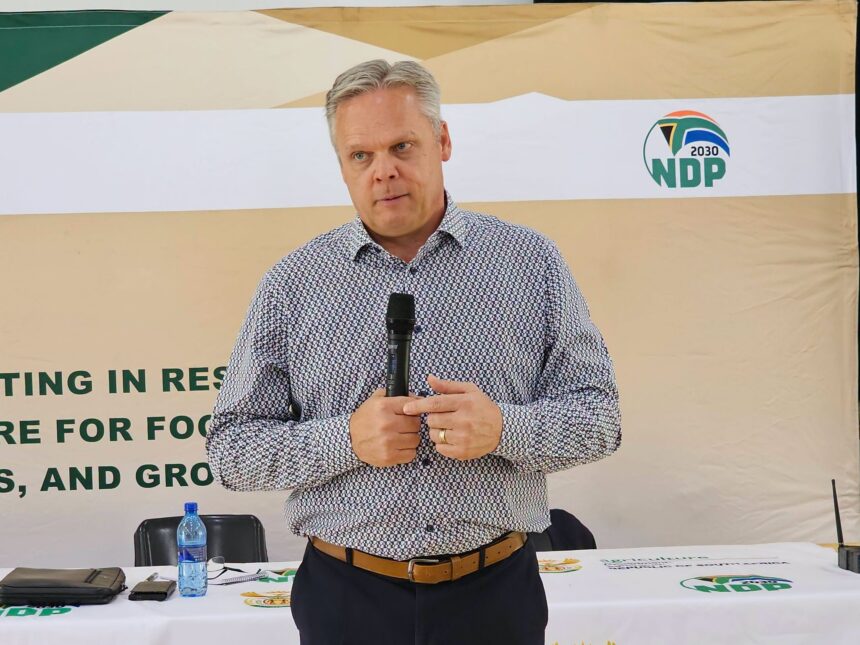
South Africa’s Minister of Agriculture, Willie Aucamp, has addressed concerns raised by farmers and agricultural stakeholders regarding the republication of the Draft Regulations Relating to the Identification of Animals, 2026. The minister engaged with stakeholders in Plettenberg Bay in the Western Cape following the publication of the draft regulations on 6 October 2026. His clarification focused on the purpose of the republication, the consultation process and the current legal status of the proposed regulations. Aucamp emphasised that the regulations are not new and that their republication followed requests from interested parties for additional time to participate in the consultation process. The engagement provided an opportunity to explain why the draft regulations had been published again and to reassure stakeholders that they were still open for public comment.
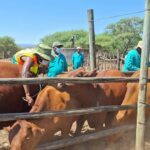
The Draft Regulations Relating to the Identification of Animals, 2026, form part of a proposed regulatory framework concerning animal identification in South Africa. Animal identification is an important issue for the agricultural sector because it relates to the ability to establish the identity of livestock and maintain reliable records. Farmers, livestock producers and other agricultural stakeholders have a direct interest in regulations that may affect how animals are identified and how related requirements are implemented. For this reason, proposed changes to animal identification rules can attract considerable attention across the farming community. Clear communication from the Department of Agriculture is essential to help stakeholders understand the purpose of the proposed regulations and the opportunities available to them during the public consultation process.
During his engagement in Plettenberg Bay, Minister Aucamp clarified that the draft regulations were republished following requests from the National House of Traditional and Khoi-San Leaders and other stakeholders. These parties sought an extension to allow more time for consultation and the submission of public comments. The decision to republish the draft therefore reflects a request for a broader opportunity to participate in the process, rather than the introduction of an entirely new set of regulations. Providing additional time for consultation can help ensure that different perspectives are considered before a regulatory framework is finalised. It also gives affected communities and industry representatives an opportunity to examine the proposals and communicate their concerns to the relevant authorities.
One of the most important points raised by the minister was that the regulations remain in draft form and are not yet enforceable. This distinction is significant for farmers and livestock owners who may be concerned about whether the proposed requirements already apply to their operations. Publication for public comment does not, by itself, mean that a draft regulation has become an enforceable legal requirement. Instead, the consultation stage allows interested parties to review the proposals and submit their views before the process moves forward. Farmers should therefore distinguish between existing legal obligations and the provisions contained in the draft regulations, rather than assuming that the republication automatically introduces new compliance duties.
Public consultation plays an important role in the development of regulations that affect South Africa’s agricultural sector. It allows government departments to receive feedback from people and organisations with practical experience of the issues being addressed. Farmers can use this opportunity to explain how proposed animal identification requirements could affect livestock management, administrative responsibilities and day-to-day farming activities. Traditional leadership structures and other interested parties can also raise concerns about the implications of the proposed framework for their communities and interests. Meaningful consultation helps decision-makers understand the practical consequences of proposed rules and identify areas that may require clarification or further consideration.
The involvement of the National House of Traditional and Khoi-San Leaders is particularly relevant to understanding why additional consultation time was requested. The request demonstrates that the proposed regulations are of interest to stakeholders beyond commercial farming organisations alone. Agricultural policy can affect communities with different livestock ownership arrangements, traditions and practical circumstances. Allowing additional time for these groups to participate can support a more inclusive consultation process. However, the request for an extension should not be interpreted as proof that the proposed regulations have been approved, rejected or amended, because their final content and legal status depend on the applicable regulatory process.
For farmers in the Western Cape and elsewhere in South Africa, the minister’s clarification highlights the importance of staying informed about proposed agricultural legislation. Regulatory developments can generate uncertainty, especially when a document is republished and stakeholders are unsure whether it introduces new obligations. In this case, Aucamp’s message was that the draft regulations were republished to accommodate requests for more time to consult and receive public comments. Farmers who may be affected by the proposals should read the draft carefully, identify provisions relevant to their operations and use the available consultation process to raise questions or concerns. Taking part in public consultation gives agricultural stakeholders a practical way to communicate their experiences and contribute to the development of regulations that affect their work.
The clarification also underlines the importance of distinguishing between a proposed policy measure and a regulation that is legally in force. Draft regulations can provide an indication of the government’s intended approach, but their publication for comment does not automatically make every proposed provision binding. The minister specifically confirmed that the Draft Regulations Relating to the Identification of Animals, 2026, were not yet enforceable at the time of his engagement with stakeholders. Any future changes to their status should be assessed according to the formal steps taken by the relevant authorities. Until the applicable process is completed, farmers should avoid treating the draft as though it were already an implemented set of requirements.
Effective communication between government and the agricultural sector is essential when proposed regulations have the potential to affect farming operations. Farmers need clear information about what is being proposed, why the proposal has been published and how they can participate in the decision-making process. Minister Aucamp’s engagement in Plettenberg Bay helped address concerns by explaining that the republication was intended to provide additional time for consultation rather than introduce new regulations. The clarification also reinforced the distinction between publishing a draft for public comment and bringing a regulation into force. Continued communication will be important as the consultation process progresses and stakeholders seek clarity about the future of the proposed animal identification framework.
Minister of Agriculture Willie Aucamp’s message to farmers and agricultural stakeholders is clear: the Draft Regulations Relating to the Identification of Animals, 2026, remain proposals open to public input, and they are not yet enforceable. Their republication on 6 October 2026 followed requests from the National House of Traditional and Khoi-San Leaders and other stakeholders for additional time to participate in the consultation process. This provides an opportunity for farmers, livestock producers, traditional leadership structures and other interested parties to make their views known before the regulatory process advances. The next steps will depend on the consultation process and the formal decisions taken by the relevant authorities. For South Africa’s agricultural community, understanding the draft regulations, participating constructively in public consultation and following official updates will be essential to staying informed about future developments in animal identification policy.
Join 'Farmers Mag' WhatsApp Channel
Get the latest Farming news and tips delivered straight to your WhatsApp
CLICK HERE TO JOIN