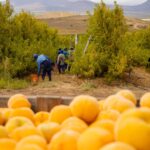
Eastern Cape Agriculture MEC Nonceba Kontsiwe has officially handed over a fresh produce rural market centre in Swazini, Qhaka village, Ward 9, in Port St John’s, marking an important step towards strengthening local agriculture and improving market access for farmers. The facility is designed to help local producers store, aggregate and manage fresh produce, particularly fruits and vegetables, before these products reach buyers. By providing a dedicated space for handling agricultural produce, the centre aims to address some of the challenges rural farmers face when storing and selling their harvests. The facility is locally owned, giving the community a direct stake in its role in supporting agricultural activities and economic development. The handover highlights the importance of investing in rural agricultural infrastructure to help farmers protect the value of their produce and create better opportunities to participate in local markets.
For many small-scale farmers, producing quality crops is only one part of running a successful agricultural business. They must also find suitable storage facilities, organise transport and connect with buyers who can purchase their produce at reasonable prices. Without proper infrastructure, farmers may struggle to keep fruits and vegetables fresh while waiting for customers or arranging deliveries. These challenges can lead to post-harvest losses, which occur when harvested crops deteriorate or become unsuitable for sale before reaching consumers. The fresh produce rural market centre in Qhaka village is intended to help address these difficulties by providing a central location where agricultural products can be collected, stored and managed. This support could help farmers handle their harvests more effectively and improve their ability to sell produce in an organised manner.
The location of the market centre in Swazini, Qhaka village, Ward 9, Port St John’s, is significant for farmers operating in the surrounding rural communities. Access to agricultural infrastructure close to production areas can reduce some of the practical difficulties associated with moving produce over long distances. A local collection point can also make it easier to bring together harvests from different farmers before arranging distribution to buyers. This process, known as produce aggregation, can help consolidate smaller quantities into larger supplies that may be more attractive to retailers, traders and other customers. However, the benefits will depend on how the facility operates, how farmers access its services and whether reliable links with buyers are established. With effective management, the centre could become an important part of the local agricultural supply chain.
Fresh fruits and vegetables require careful handling because their quality can decline quickly after harvesting. Exposure to excessive heat, unsuitable storage conditions and delays in transportation can damage produce and reduce its market value. A facility that supports proper storage and organised handling can help farmers protect the quality of their harvests for longer, depending on the infrastructure and storage methods available. Better produce management can also help reduce the amount of food that goes unsold because it deteriorates before reaching the market. For farmers who depend on selling perishable crops, preventing these losses can make a meaningful difference to the amount of produce they can sell. The Qhaka village market centre therefore has the potential to support more efficient post-harvest management and improve the handling of agricultural products.
Reducing post-harvest losses is an important part of strengthening food production and rural livelihoods. When farmers lose a portion of their harvest after investing in land preparation, seeds, fertilisers, labour and water, their potential earnings decline. These losses can place additional pressure on small farming businesses, particularly when operating costs are high or market prices fluctuate. Improved storage and produce management can help protect the value of crops and give farmers more time to organise sales. A rural market centre can also encourage better coordination between producers and buyers by creating a shared location for collecting and preparing produce for distribution. The extent of these benefits will depend on practical factors such as storage capacity, operating costs, transport arrangements and demand for the products being handled.
The local ownership of the fresh produce rural market centre is another important feature of the initiative. Community ownership can create opportunities for local people to participate in the management and development of agricultural infrastructure. It can also help ensure that the facility responds to the needs of farmers in the area when decisions are made about access, services and daily operations. To maintain its value, the centre will need clear management arrangements, transparent financial practices and regular maintenance. Farmers should also understand how to use the facility, what services are available and what costs, if any, may apply to storing or handling their produce. Strong local management can help build trust among farmers and encourage continued use of the centre.
Improved market access is another potential benefit of the facility. Farmers need dependable buyers to turn agricultural production into sustainable income, but reaching those buyers can be difficult when individual producers have only small quantities available for sale. A rural market centre can help bring produce together, making it easier to organise larger consignments and coordinate deliveries. It may also provide a more structured point of contact for traders and other buyers seeking fresh agricultural products from the area. Better coordination can reduce confusion around collection schedules and help farmers plan their harvesting activities according to market requirements. Nevertheless, the centre’s ability to expand sales will depend on building relationships with buyers, maintaining consistent produce quality and ensuring that supply meets customer demand.
The market centre could also contribute to broader rural economic development in Port St John’s. Stronger agricultural markets can support farming households by creating better conditions for selling locally produced food. Depending on how the facility is operated, its activities may also create opportunities for work related to produce handling, sorting, packaging, storage and transportation. These activities can help strengthen connections between farmers and other participants in the agricultural value chain. Increased coordination may also encourage producers to consider crop planning, quality standards and market requirements when deciding what to grow. While the handover alone does not guarantee higher incomes or additional employment, the facility provides infrastructure that could support these outcomes if it operates efficiently and attracts regular use.
The success of the fresh produce rural market centre will ultimately depend on how well it meets the needs of local farmers. Appropriate storage practices, hygienic handling procedures and careful monitoring of produce quality will be important for maintaining the value of fruits and vegetables. Farmers and facility managers will also need to coordinate harvesting, deliveries and sales to prevent unnecessary delays. Reliable transport arrangements can help ensure that produce reaches buyers while it remains in suitable condition. Establishing consistent relationships with markets may further help farmers understand which products are in demand and when they should prepare their harvests for sale. These practical steps can turn agricultural infrastructure into a useful service that supports farmers beyond the initial handover.
The handover by Eastern Cape Agriculture MEC Nonceba Kontsiwe represents an investment in local agricultural activity and the potential of rural farmers in Swazini, Qhaka village, Ward 9, Port St John’s. By providing a locally owned facility for storing, aggregating and managing fresh produce, the initiative aims to improve market access and reduce post-harvest losses, particularly for fruits and vegetables. Its long-term contribution will depend on effective management, suitable storage practices and strong connections between farmers and buyers. If these elements are put in place, the centre could help producers protect the value of their harvests, improve the organisation of agricultural sales and strengthen the local food supply chain. The project highlights the importance of rural market infrastructure in supporting farmers and creating better conditions for sustainable agricultural development in the Eastern Cape.
Join 'Farmers Mag' WhatsApp Channel
Get the latest Farming news and tips delivered straight to your WhatsApp
CLICK HERE TO JOIN