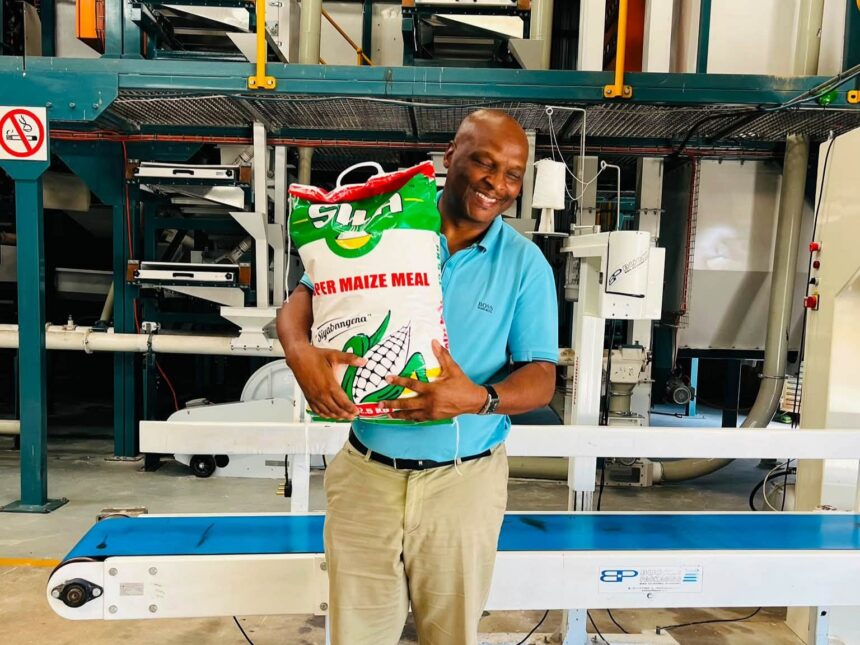
The revitalisation of the Mbizana Rural Enterprise Development (RED) Hub in the Eastern Cape marks an important step towards strengthening local maize processing and creating new opportunities for rural agricultural development. The facility has produced its first bag of quality maize meal, demonstrating progress towards turning locally produced maize into a finished product. With machinery ready and employees preparing to begin production, the hub is moving closer to establishing a functioning maize processing operation. The development highlights the potential of agricultural value addition to support rural economies by creating opportunities beyond primary crop production. It also places a spotlight on the role that agricultural processing facilities can play in connecting farming, employment and local markets.
The hub is expected to contribute to the development of the local maize value chain by supporting the processing of white maize into maize meal. For farmers, agricultural processing can create opportunities to participate in more stages of the value chain, from producing grain to supplying markets that use it as a raw material. However, the extent to which nearby maize producers will benefit will depend on the hub’s sourcing arrangements, purchasing requirements and ability to establish reliable supply relationships. Clear communication between the facility, farmers and agricultural cooperatives will therefore be important as production gets underway. Building these relationships could help strengthen links between local agricultural production and food processing in the area.
Agricultural cooperatives and smallholder farmers are important to rural development because they can help producers organise their activities, share resources and improve their access to markets. A processing facility such as the Mbizana RED Hub has the potential to become part of a stronger local agricultural network if arrangements are established to involve nearby producers. Reliable access to suitable maize supplies will be important for maintaining processing activities and supporting consistent production. Farmers who are interested in supplying such a facility would need clear information about grain quality requirements, delivery arrangements, volumes and payment conditions. These practical details will help determine how effectively the hub can support local producers and contribute to a more connected agricultural value chain.
The project has also created employment opportunities, with more than 18 community members employed as part of the revitalisation effort. These jobs demonstrate how investment in agricultural infrastructure can support economic activity in rural communities while contributing to the development of local food-processing capacity. As production expands, the facility’s ability to operate consistently will be important for sustaining employment and building confidence among potential suppliers and customers. Successful operations could also demonstrate the value of processing agricultural products closer to the communities where they are produced and consumed. For rural areas, such initiatives can help broaden economic opportunities linked to agriculture.
The production of the first bag of maize meal is an encouraging milestone, but the long-term success of the Mbizana RED Hub will depend on its ability to establish a sustainable business model. Consistent access to maize, reliable machinery, effective management and dependable markets for the finished product will all be important factors. Strong relationships with farmers and cooperatives could help the facility develop a stable supply chain, provided that purchasing arrangements are practical and commercially viable for both sides. The hub will also need to maintain appropriate product quality and manage operating costs as production develops. These factors will influence whether the facility can move from its initial production milestone to sustained commercial activity.
The revitalisation of the Mbizana RED Hub highlights the importance of connecting agricultural production with processing and market development in the Eastern Cape. While the first bag of maize meal represents progress, the next stage will be to establish dependable operations and determine how local farmers can participate in the supply chain. For maize producers and agricultural cooperatives, the development offers a reason to watch for further information about sourcing opportunities and supplier requirements. With effective management and workable partnerships, the facility could contribute to local value addition, rural employment and a stronger connection between agriculture and food production. Its progress will ultimately be measured by its ability to operate sustainably and deliver lasting benefits to the surrounding agricultural community.
Join 'Farmers Mag' WhatsApp Channel
Get the latest Farming news and tips delivered straight to your WhatsApp
CLICK HERE TO JOIN